Partners from New Zealand and Denmark Explored Good Agricultural Practices in the Ljubljana Urban Region
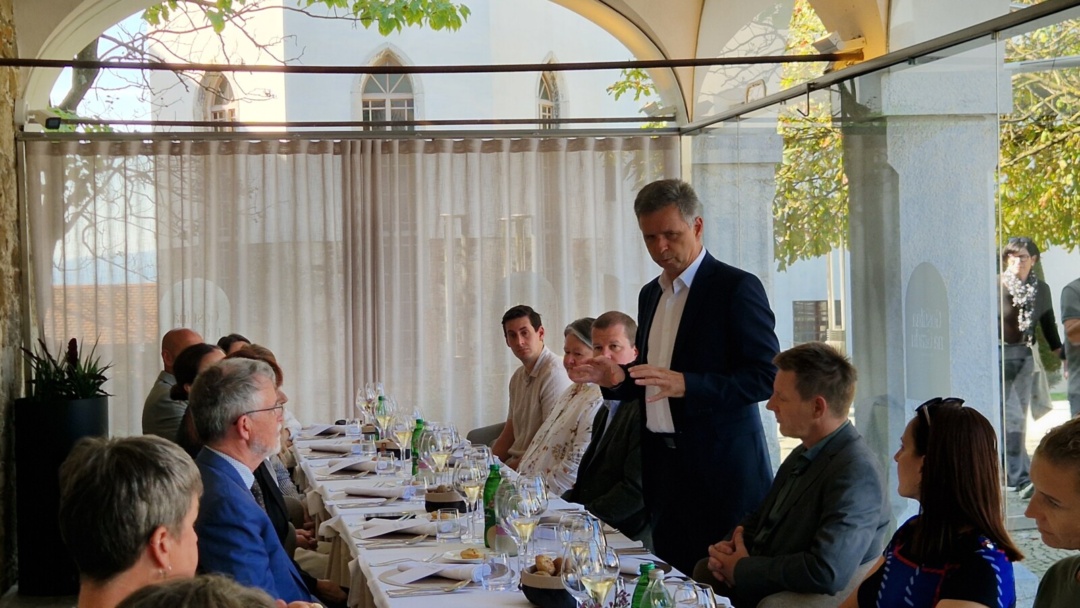
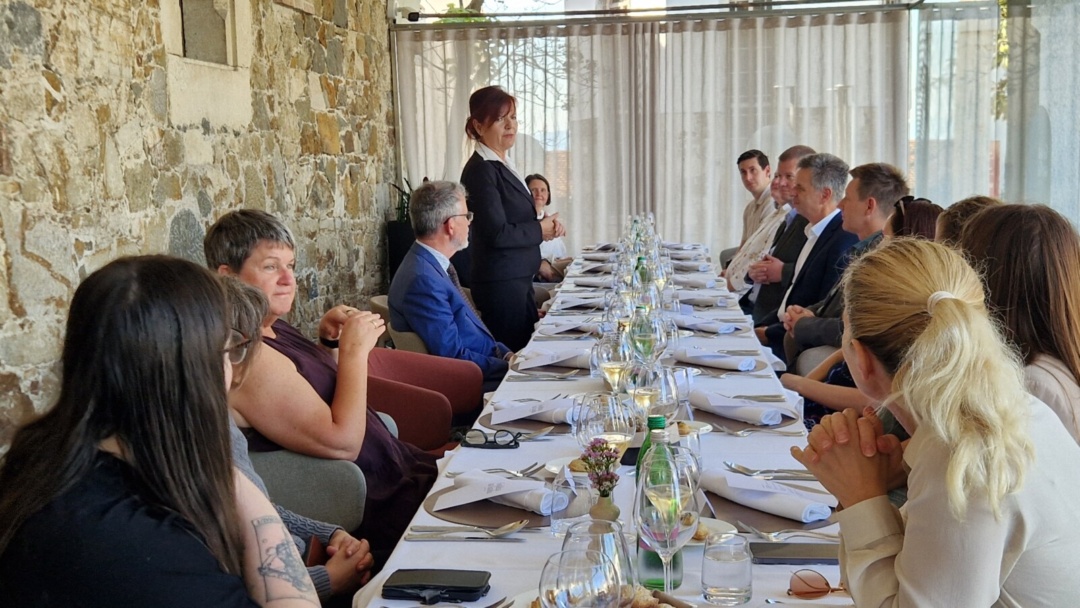
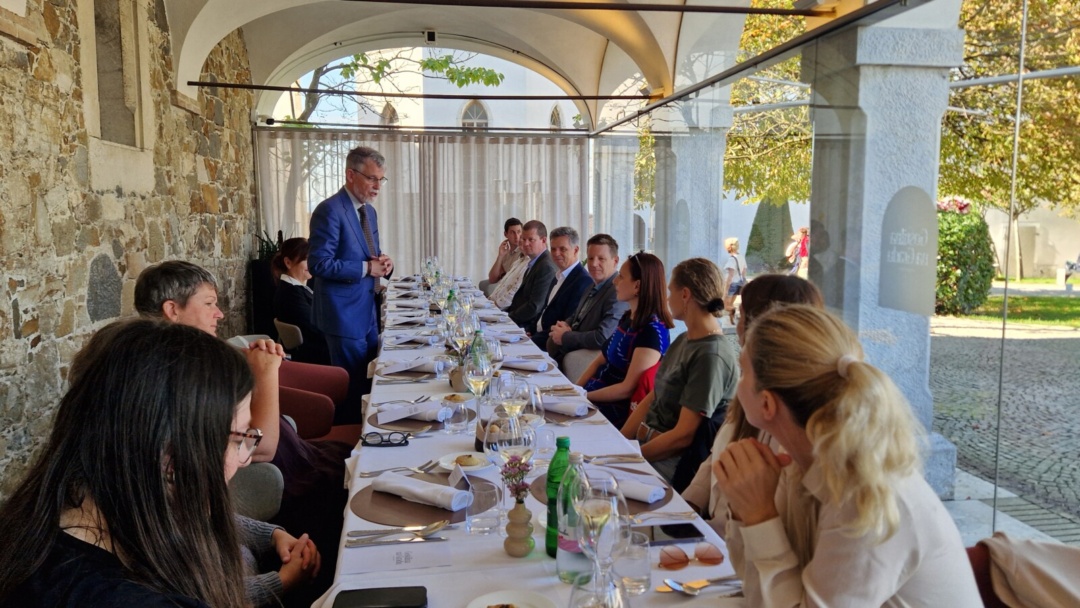
The Regional Development Agency of the Ljubljana Urban Region (RRA LUR) hosted partners from New Zealand and Denmark as part of the International Urban and Regional Cooperation (IURC) programme. The first two days of the study visit focused on showcasing good practices from Ljubljana and the wider region in the fields of rural development, local food supply chains, agricultural diversification, and the support environment for new activities and innovation.
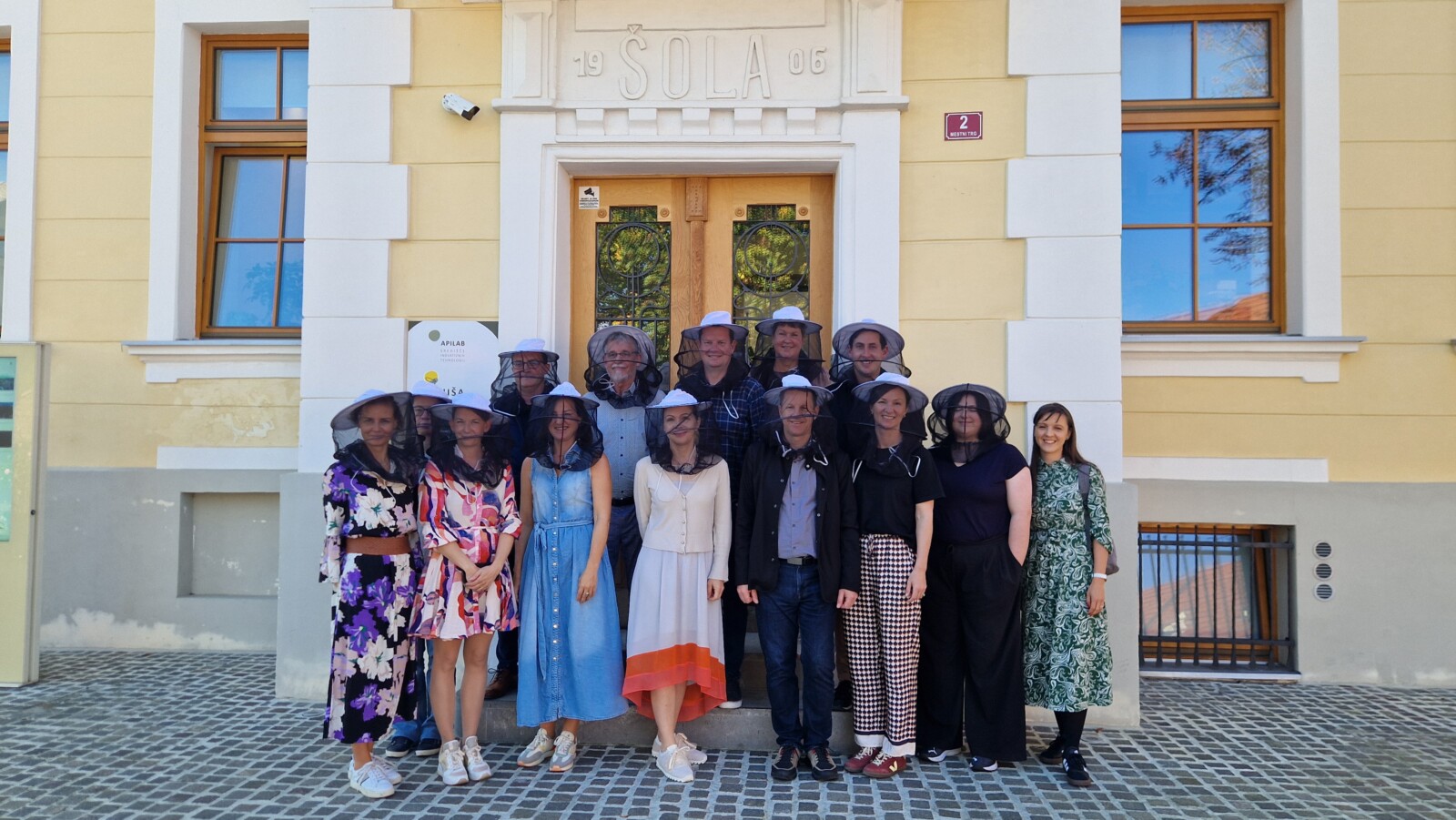
Within the framework of the IURC Asia and Australasia programme, supported by the European Union and connecting European cities and regions with partners around the world, RRA LUR cooperated with the New Zealand regions of Taranaki and Manawatū and partners from Denmark.
The central theme of the cooperation was agriculture and innovation, with particular emphasis on identifying new opportunities for the diversification of agricultural activities, the development of new value chains, and support for farmers and other rural entrepreneurs.
The visiting delegation included representatives of the development agencies Venture Taranaki and the Central Economic Development Agency (CEDA) from the Manawatū region, New Zealand research institutions, and the Danish organisation Klimatorium. The delegation was led by Paul Dalziel, who coordinated cooperation with New Zealand within the IURC programme.
RRA LUR prepared a diverse programme for the visit, which also included contributions from Slovenian research and professional institutions, among them the Biotechnical Faculty of the University of Ljubljana, the Geological Survey of Slovenia, and the Agricultural Institute of Slovenia.
From Ljubljana’s Central Market to Rural Development
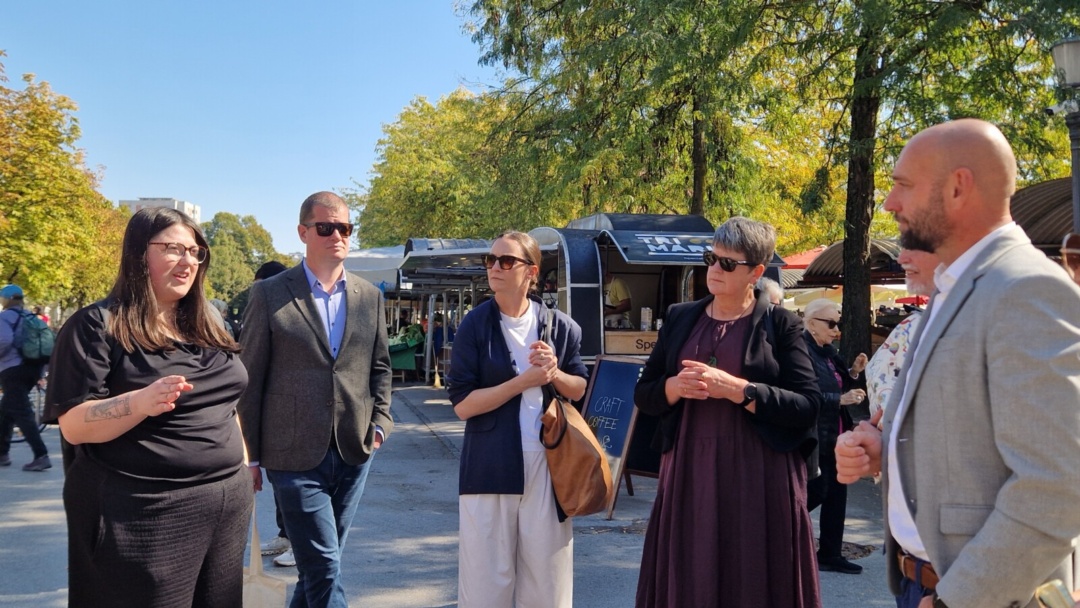
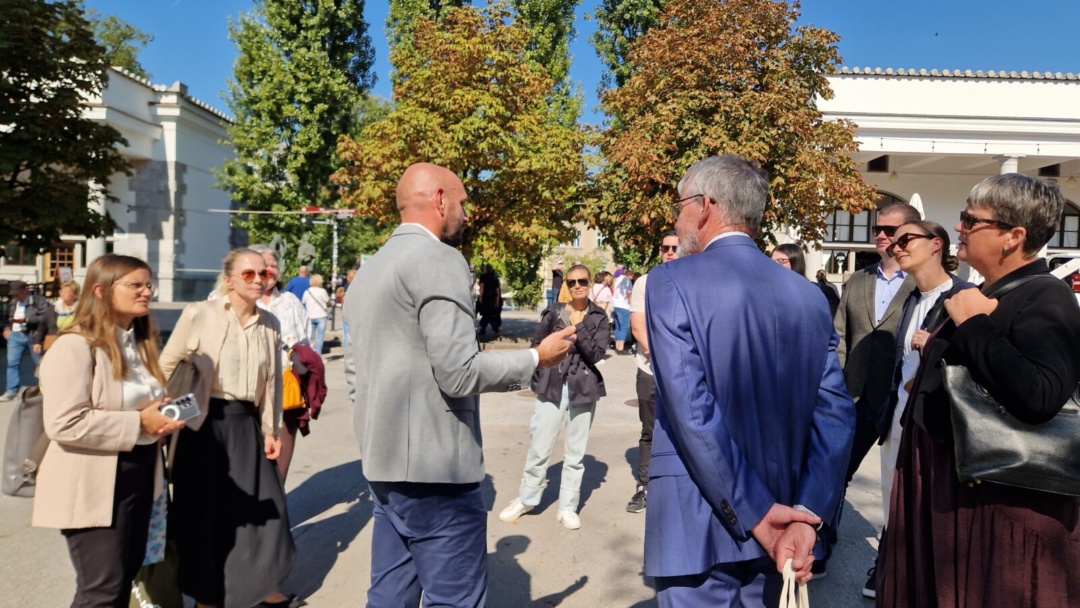
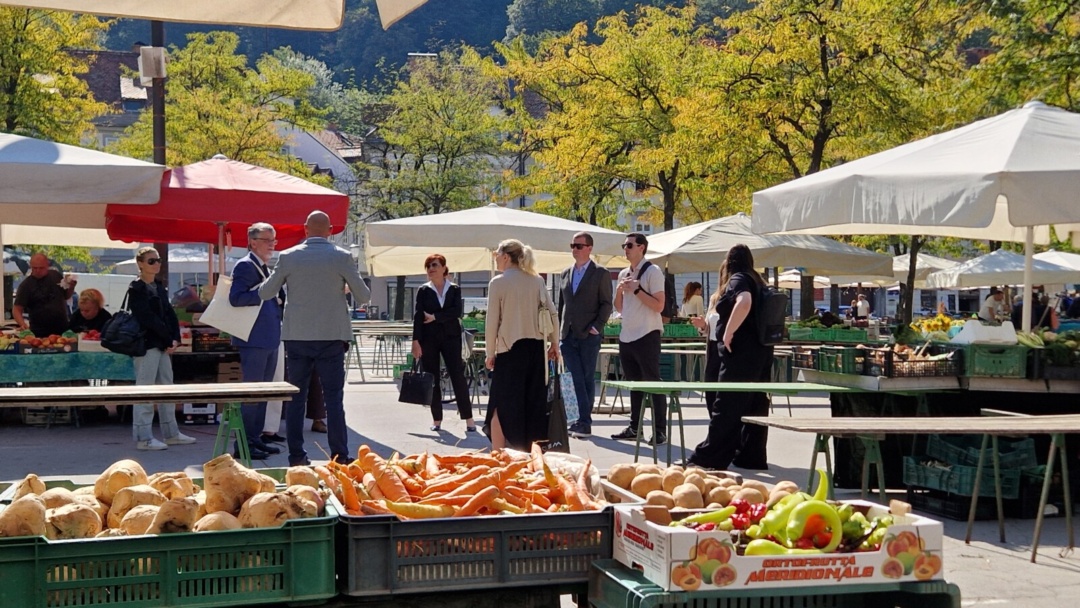
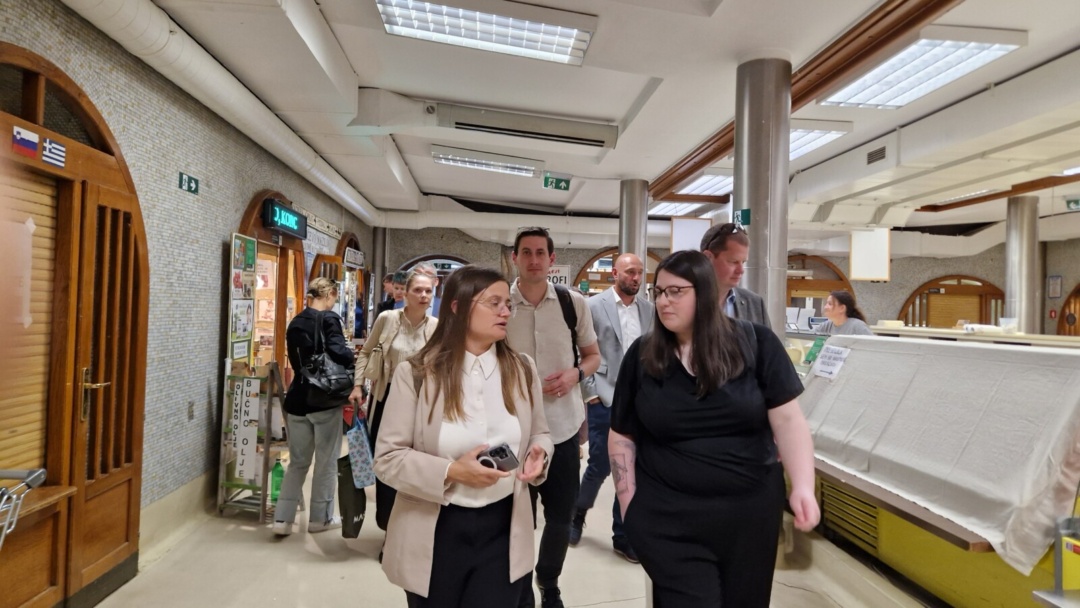
The first day focused on Ljubljana. At the Ljubljana Central Market, Simon Zajc from Pr’ Čižman Farm shared the story of his farm, where he had developed a range of activities linked to agriculture and direct customer interaction.
Concrete examples from farms and the possibilities for expanding core agricultural activities through new products, services, and sales channels were among the key themes of cooperation between the IURC partners.
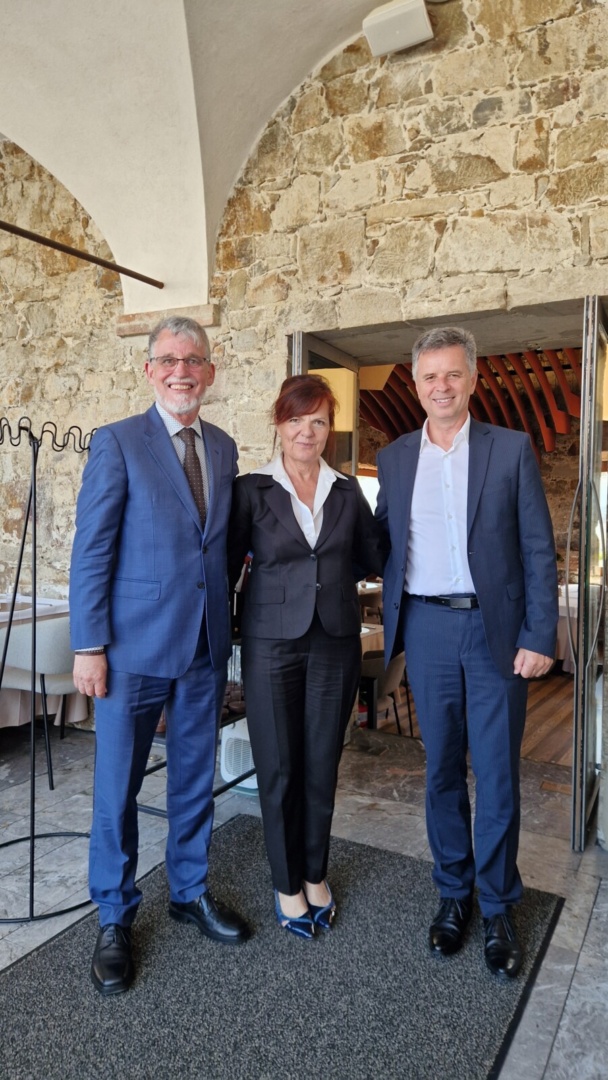
The programme continued with a reception at Ljubljana Castle, where the delegation was warmly welcomed by Dejan Crnek, Deputy Mayor of the City of Ljubljana, and Lilijana Madjar, Director of RRA LUR.
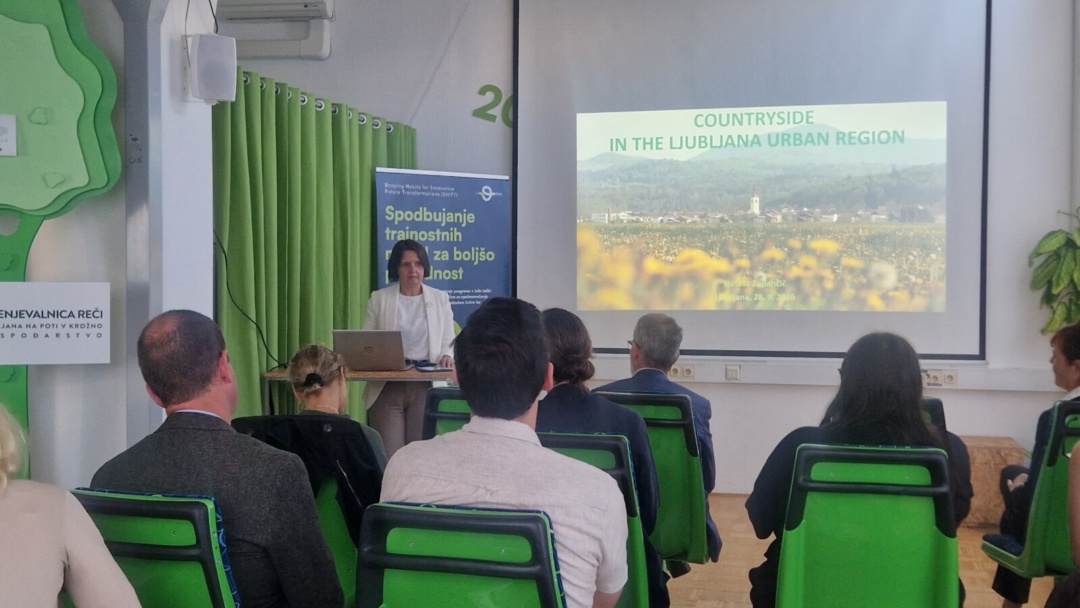
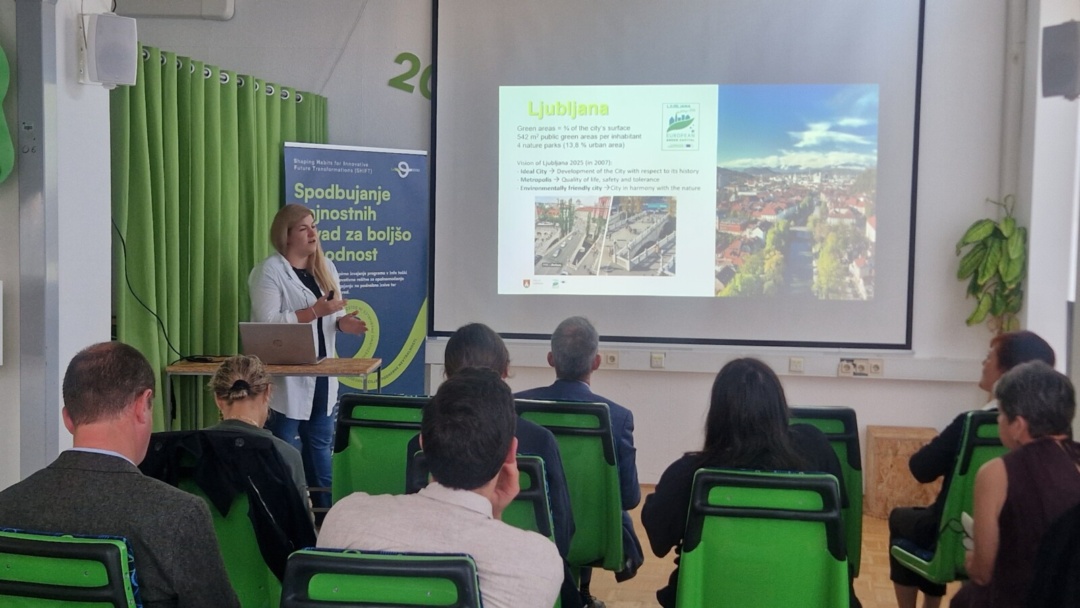
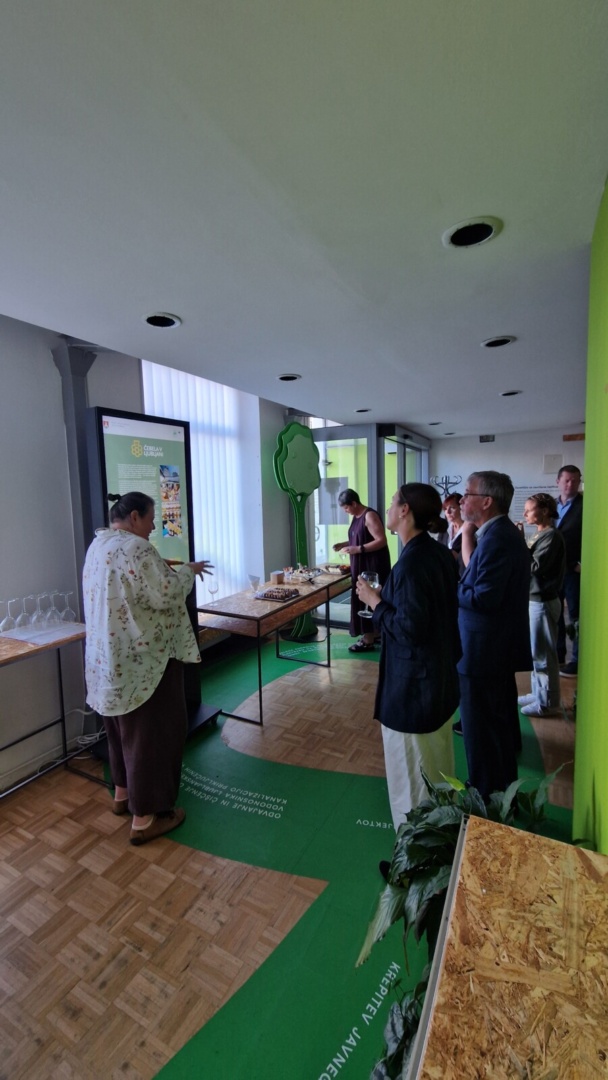
The partners then visited the Mission 100 Information Point, where presentations by the manager of the Local Action Group for the City and the Countryside and representatives of the City of Ljubljana’s Department for Environmental Protection provided an in-depth overview of Ljubljana’s green policies, rural development, and approaches to urban agriculture.
The presentations also highlighted Ljubljana’s experience in maintaining and strengthening links between the city and the countryside, local food production, and sustainable spatial management, even within a highly urbanised environment.
From Beekeeping Heritage to Advanced Research and Local Community Practices
On the second day, the delegation explored good practices across the wider region.
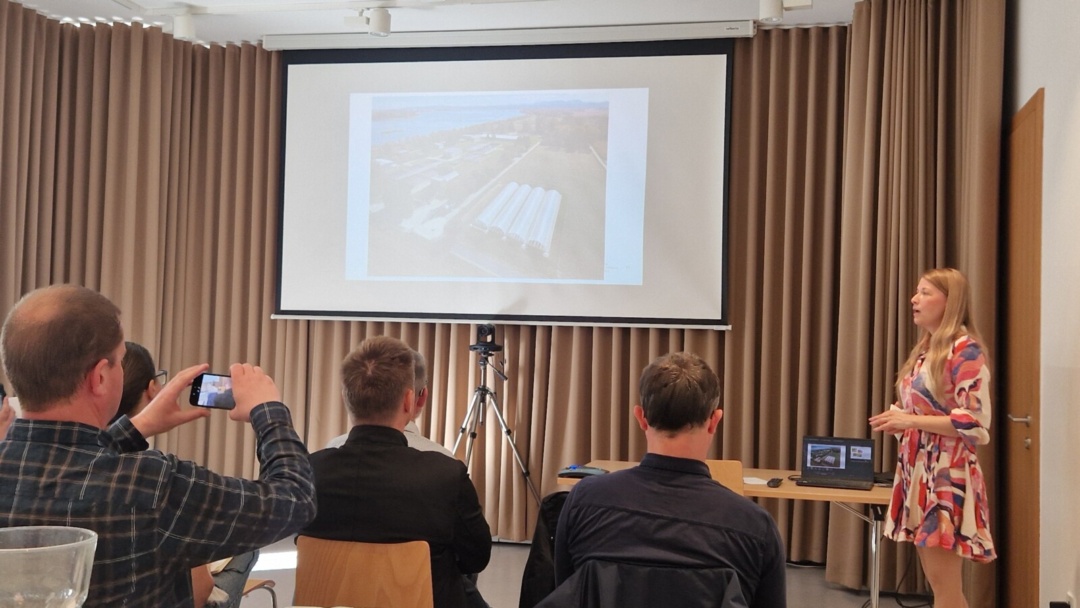
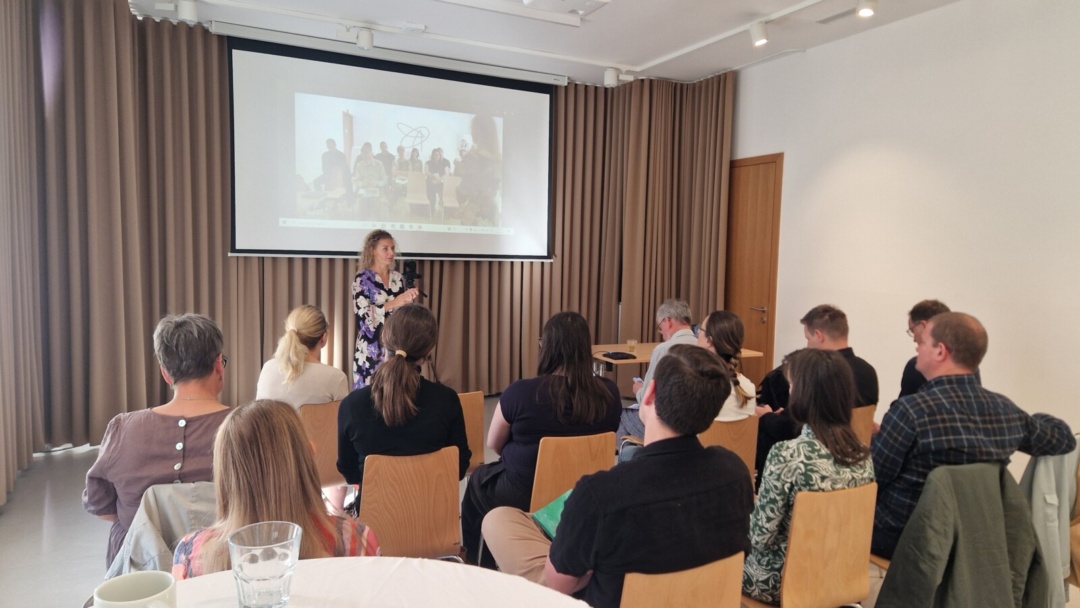
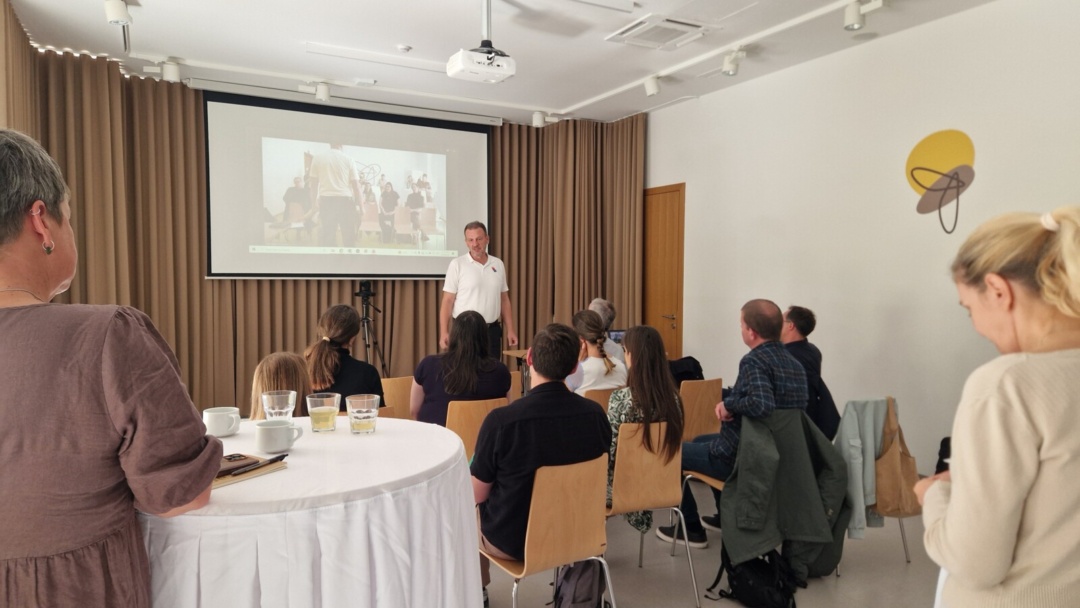
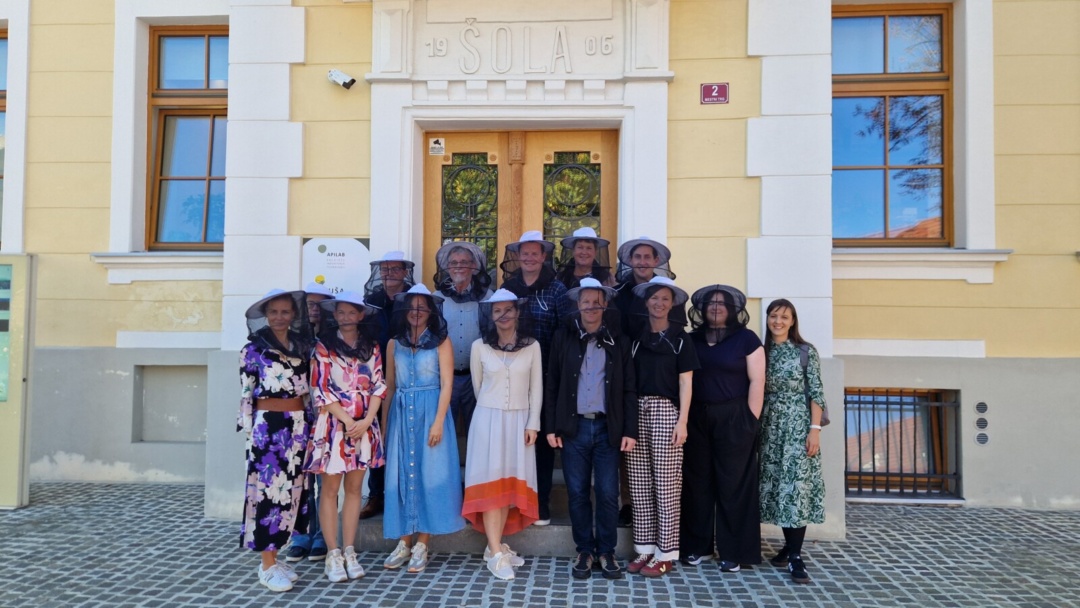
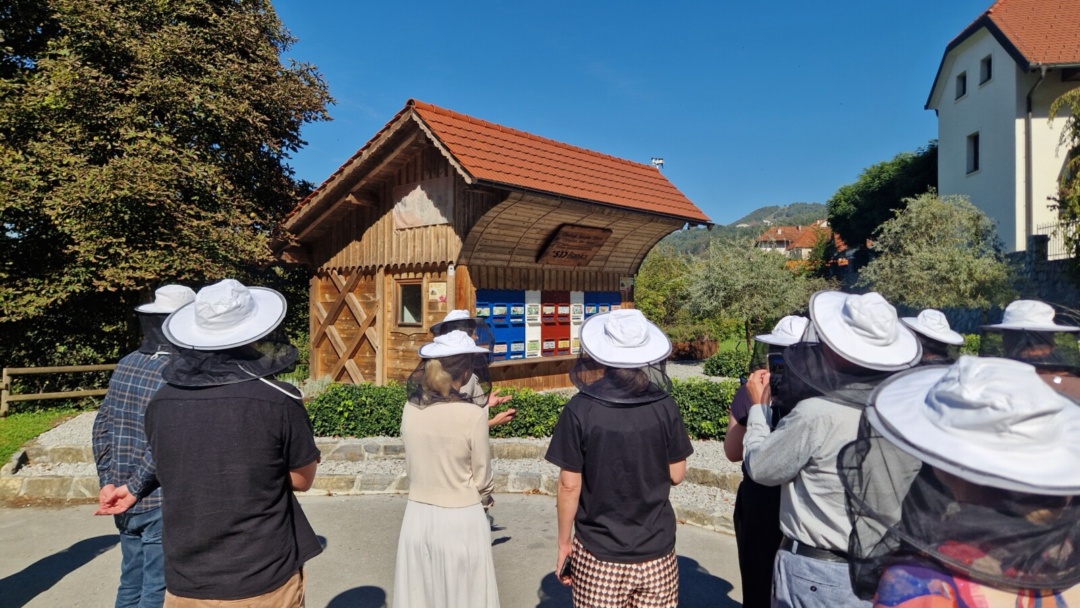
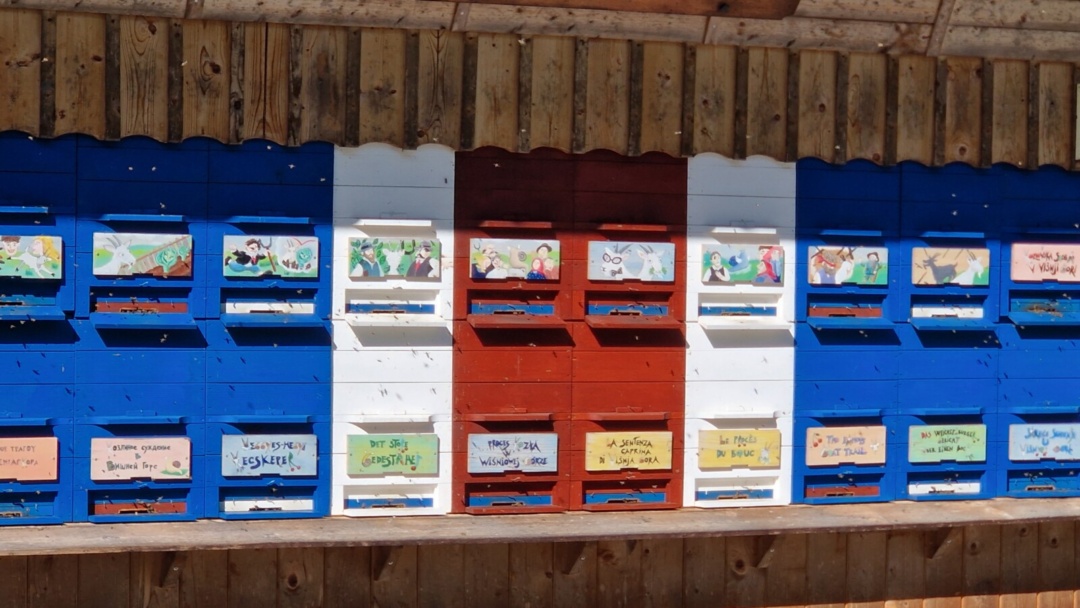
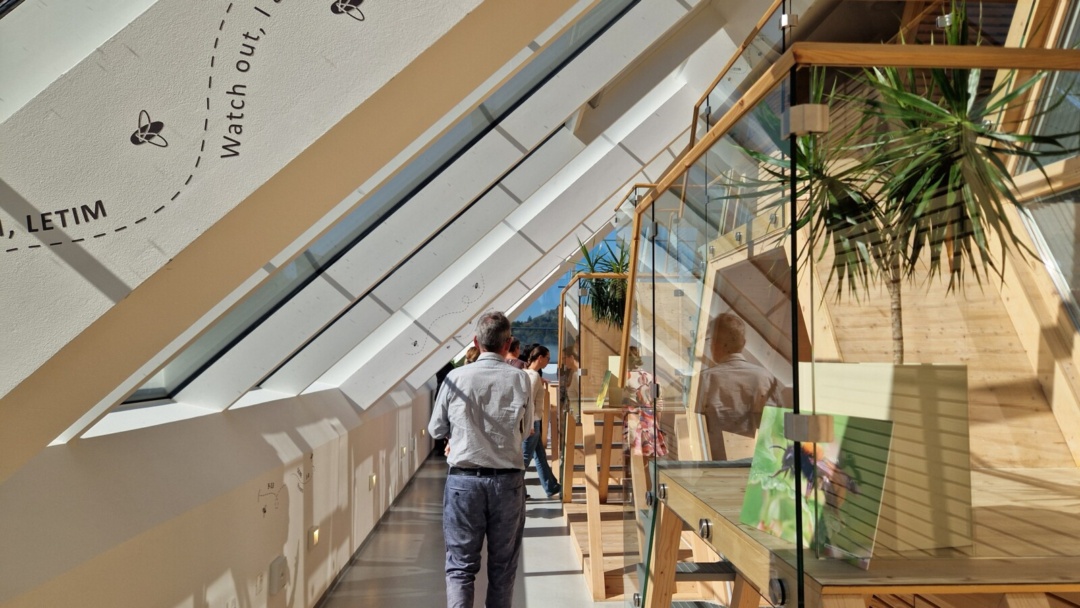
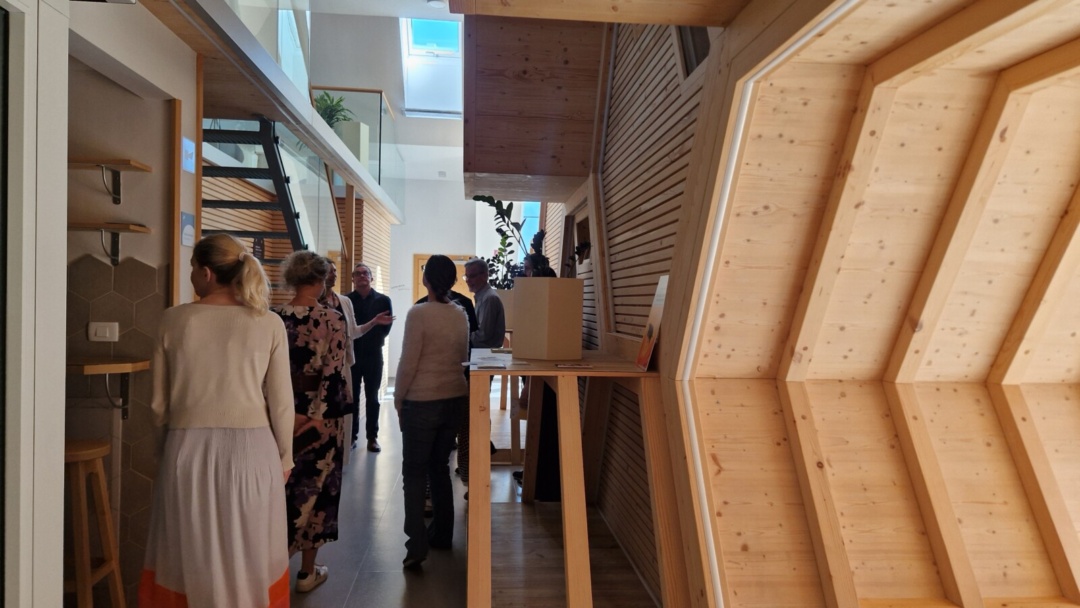
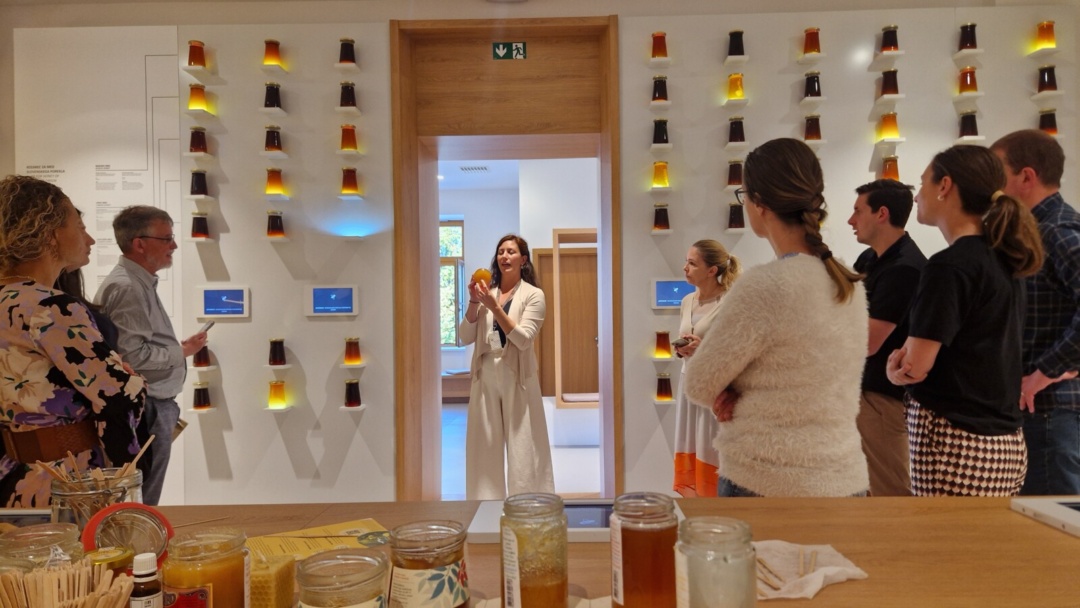
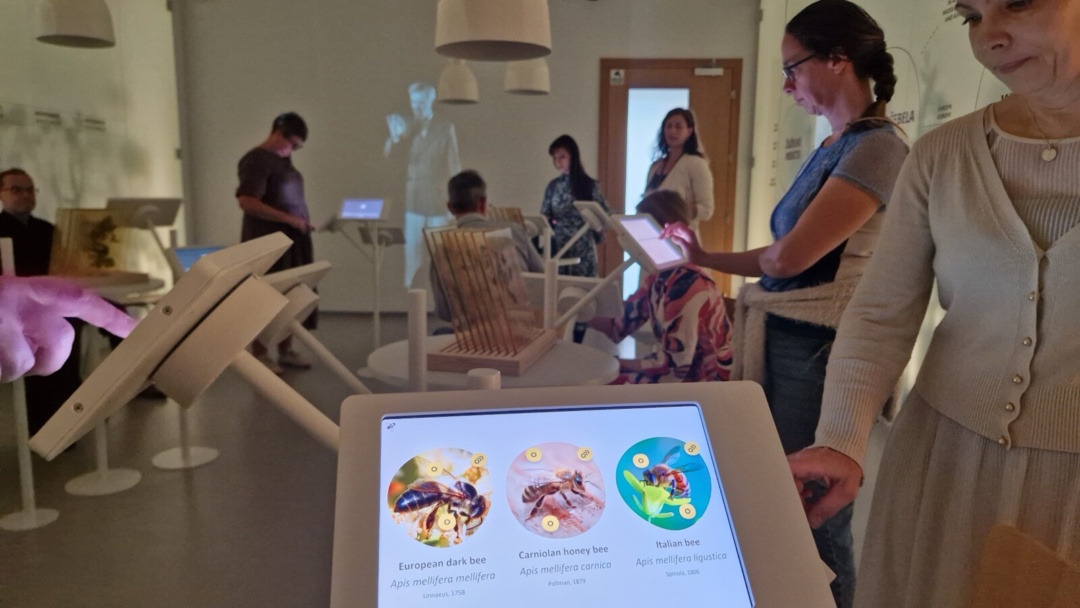
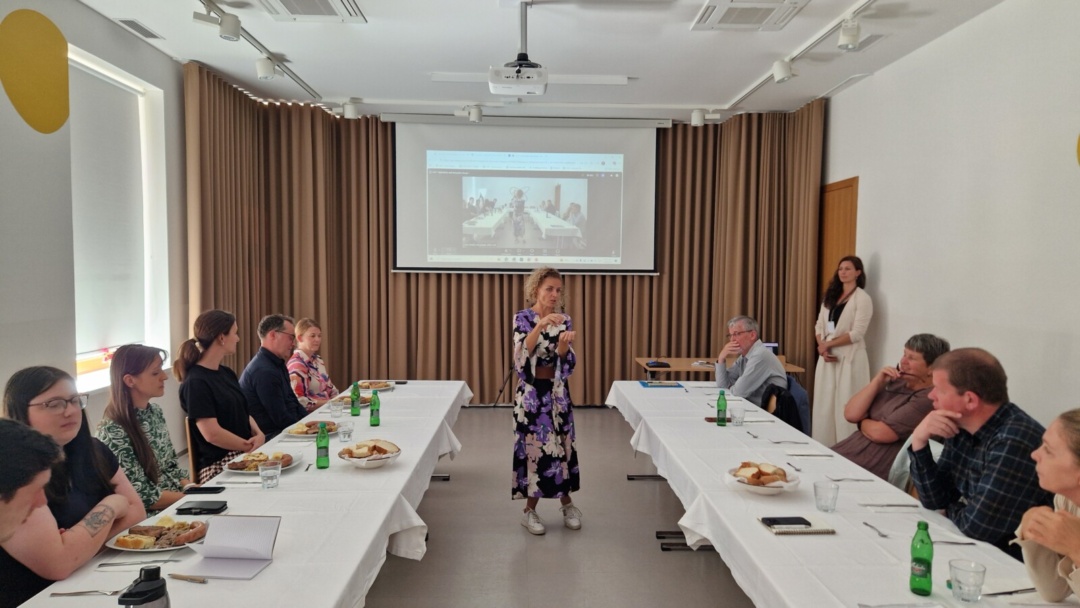
At the House of the Carniolan Bee in Ivančna Gorica, participants first attended online presentations by Danish experts focusing on water management in urban areas. They then visited the museum and educational apiary, where they learned how Slovenia’s rich beekeeping tradition had been successfully connected with education, tourism, entrepreneurship, and the contemporary interpretation of local heritage.
Another important part of the professional programme was a visit to the Jablje Infrastructure Centre of the Agricultural Institute of Slovenia, where the delegation was welcomed by Dr Blaž Germšek, Head of the Department for Infrastructure, Research and Knowledge Transfer, together with his colleagues.
The visitors were introduced to modern technologies and research aimed at making agriculture more efficient and circular.
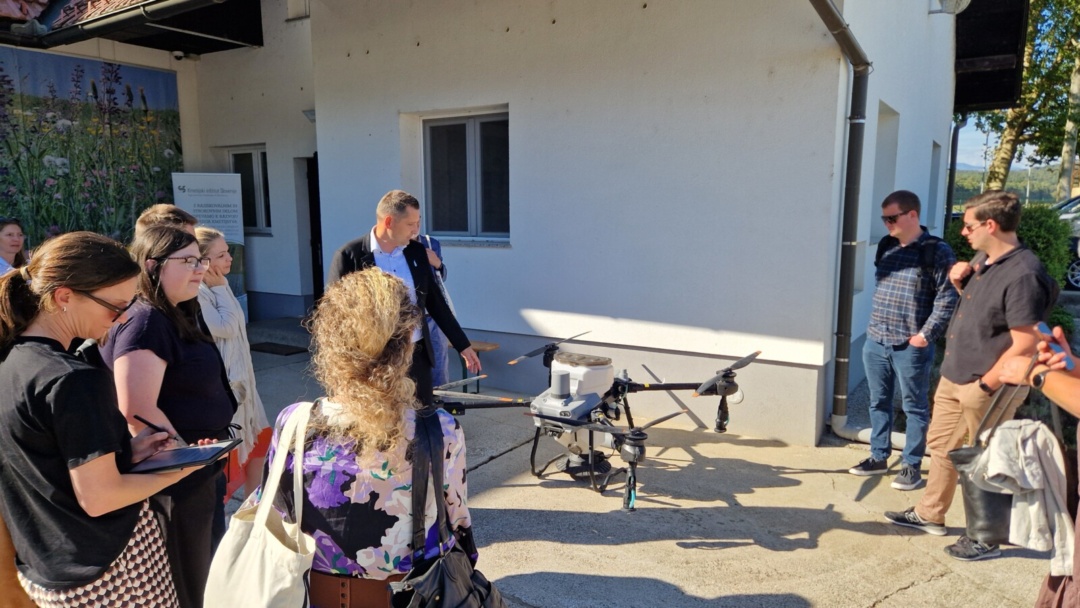
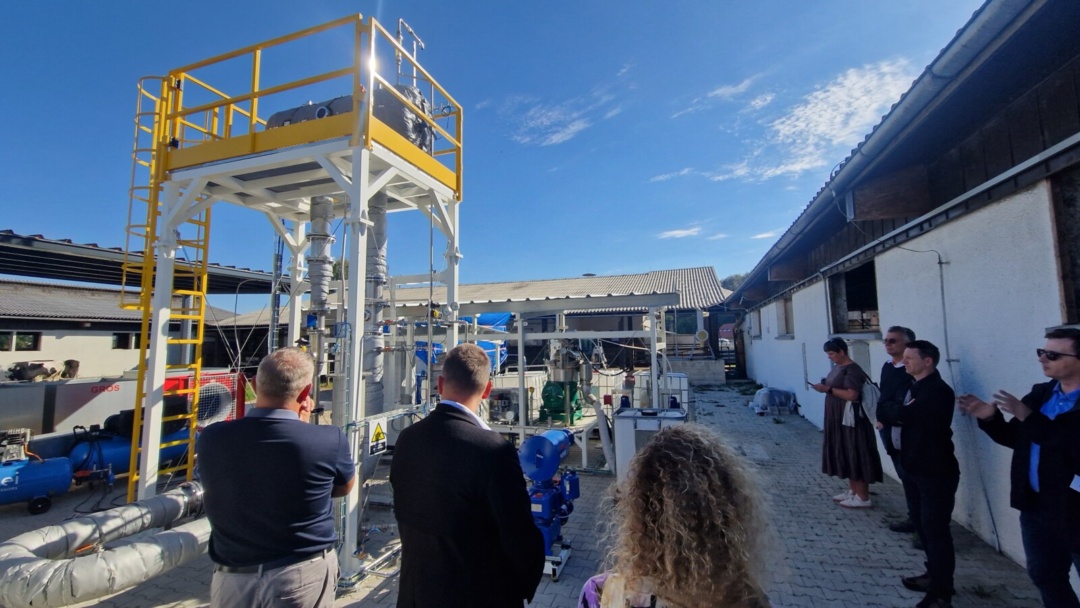
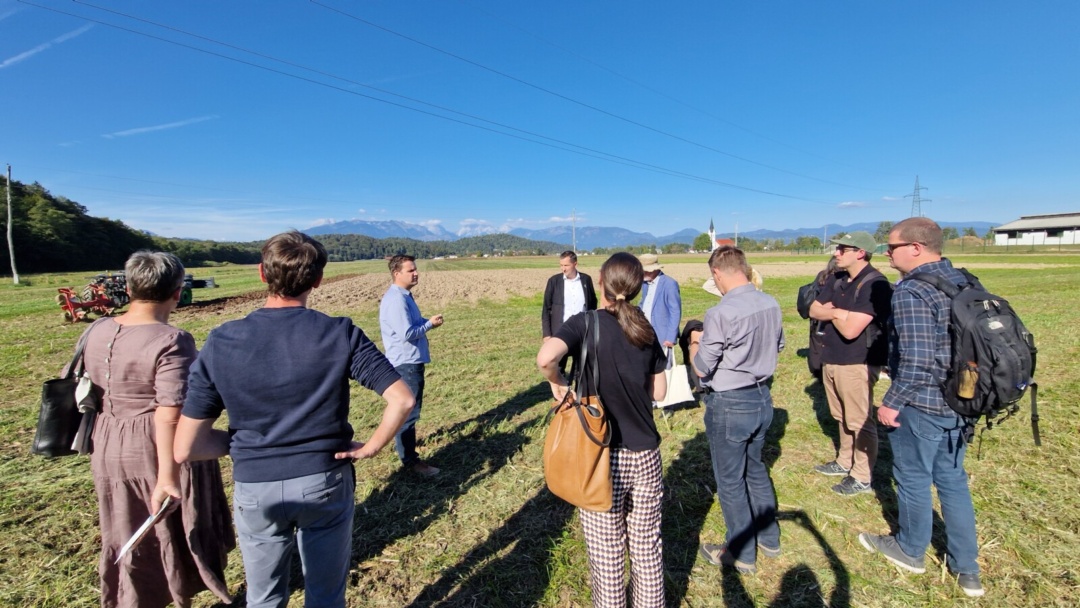
Among other examples, the Institute presented an autonomous tractor, demonstrated field ploughing, and showcased a model of closed-loop material and energy flows on a farm. Livestock manure was used for biogas production, while in a subsequent stage it was also processed to produce biomethane.
Researchers were also exploring further uses of digestate, the residual material from biogas production, including the possibility of extracting proteins that could be used as an animal feed supplement. The aim was to close material loops as much as possible and reduce the amount of unused residual material.
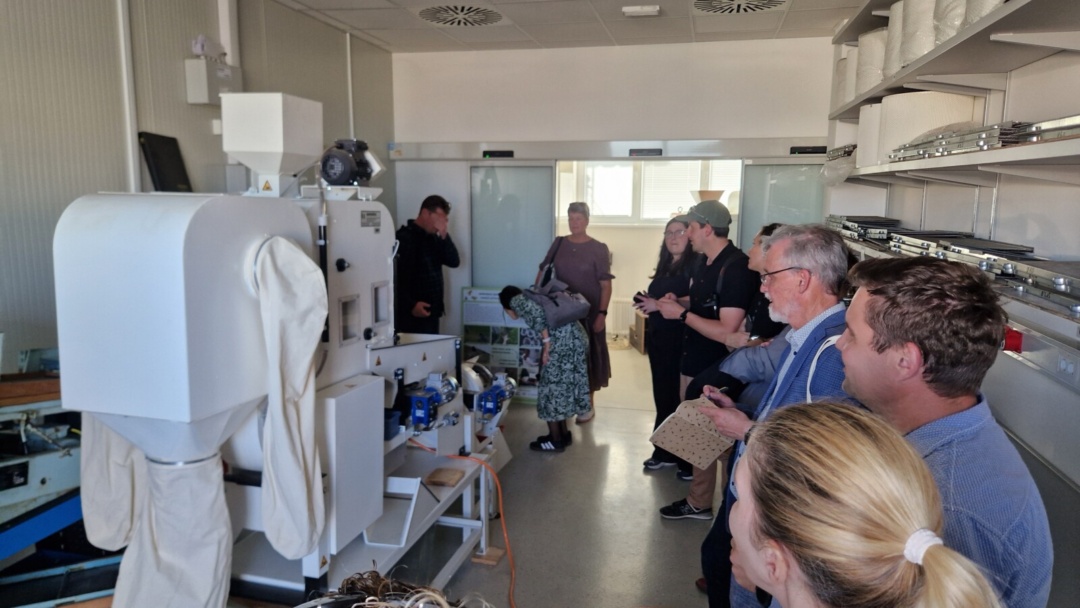
The delegation was also introduced to the conservation of plant genetic resources in seed production. At Jablje, seeds of Slovenian varieties of cereals, grasses, clover, vegetables, and potatoes were produced, while the site also hosted a seed bank dedicated to the long-term preservation of seed material and plant genetic diversity.
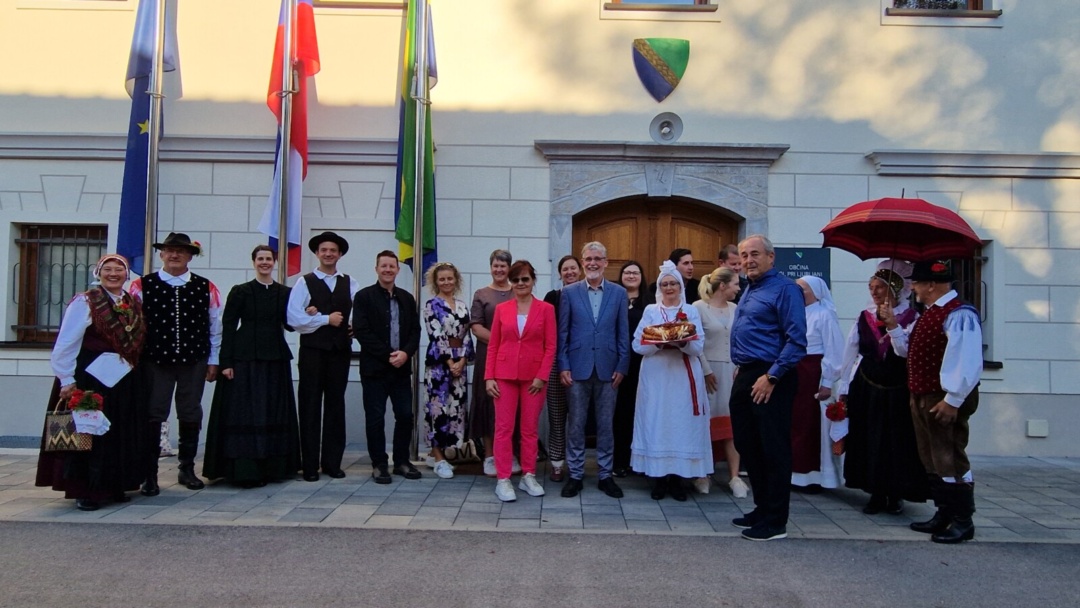
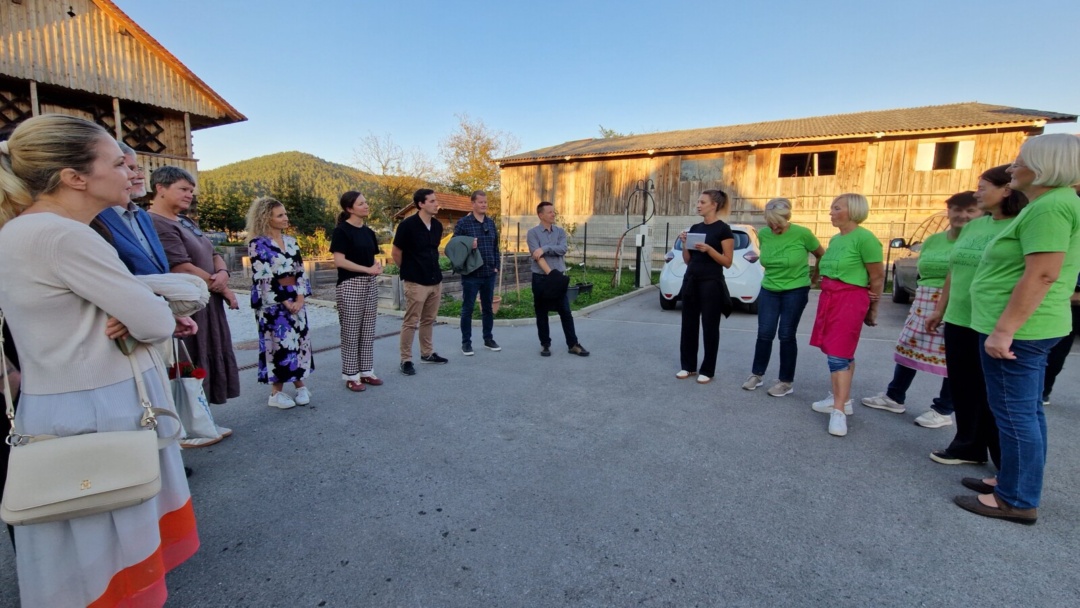
The programme then continued in the Municipality of Dol pri Ljubljani, where the focus was on local and community-based practices and on the role of municipalities in creating favourable conditions for rural development and new activities.
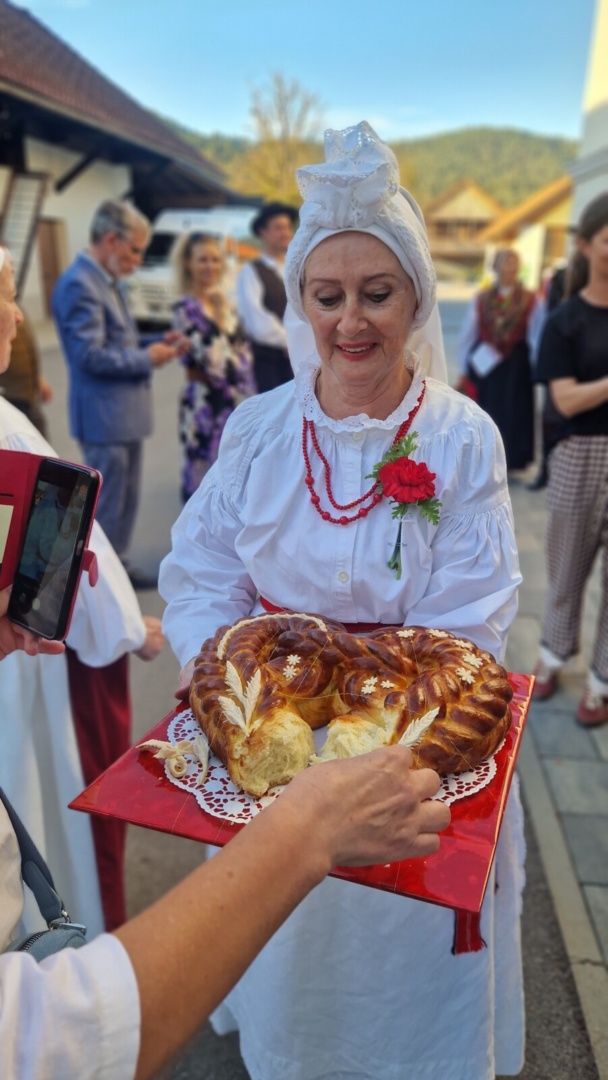
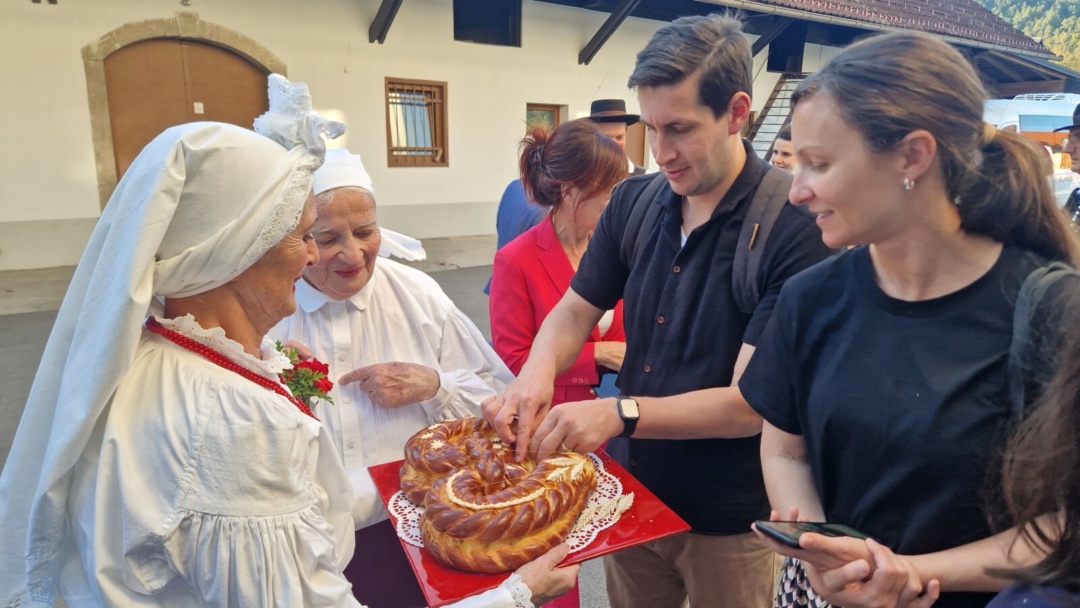
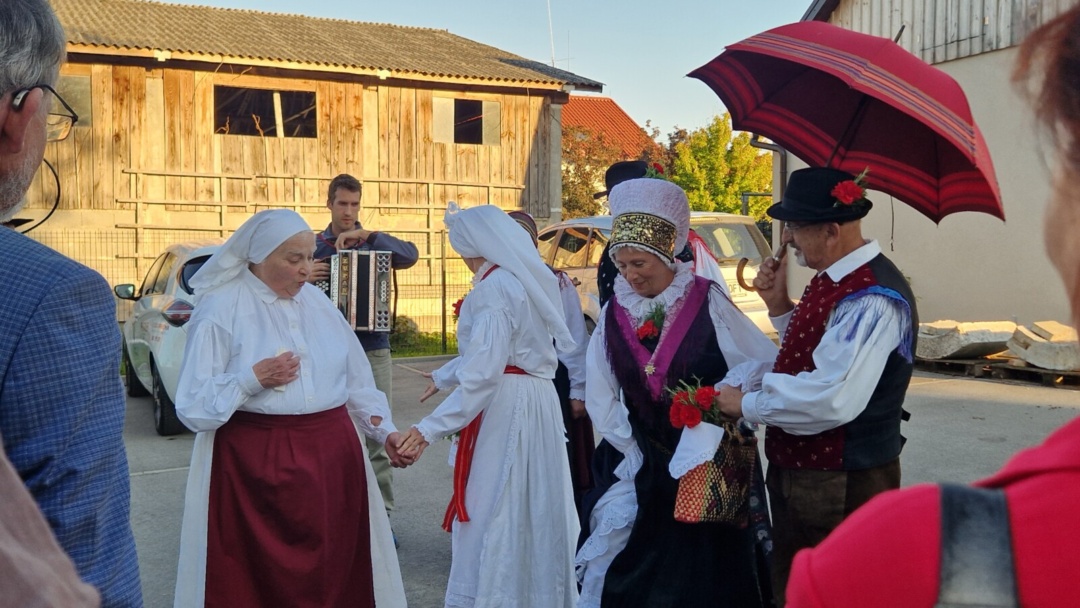
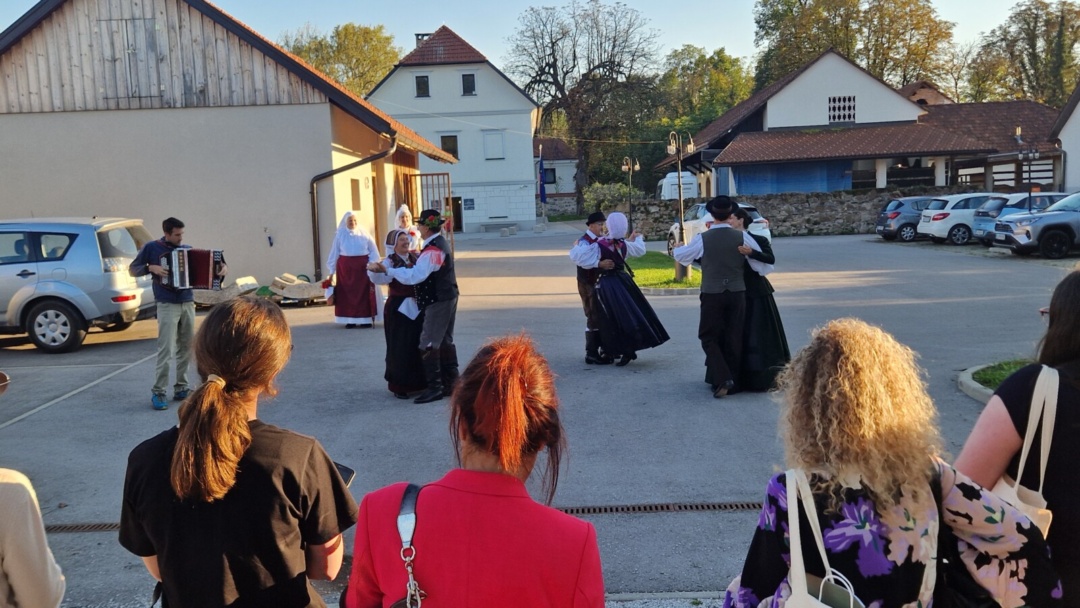
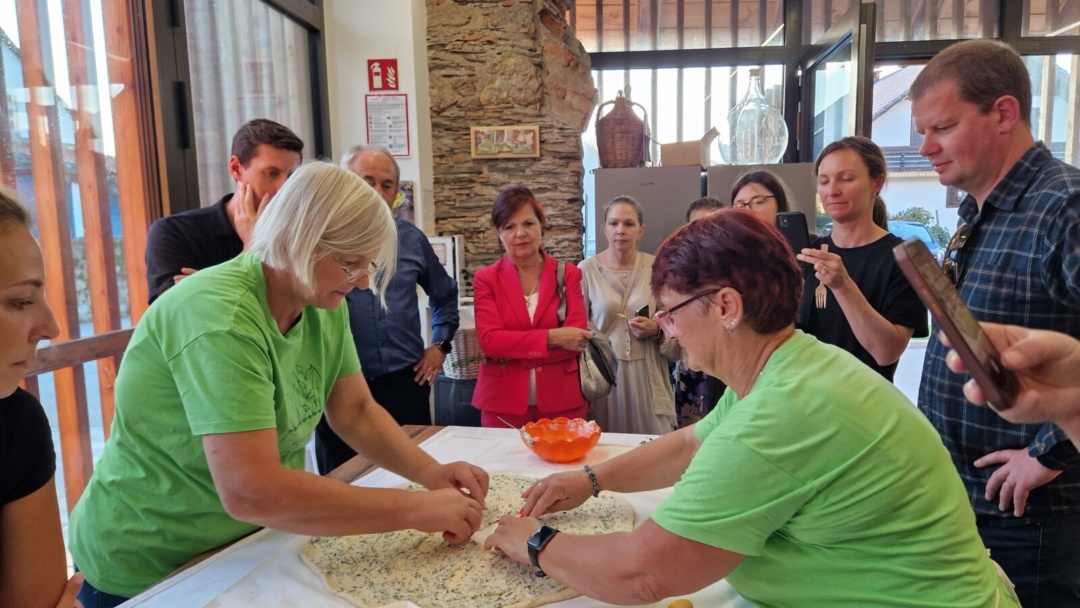
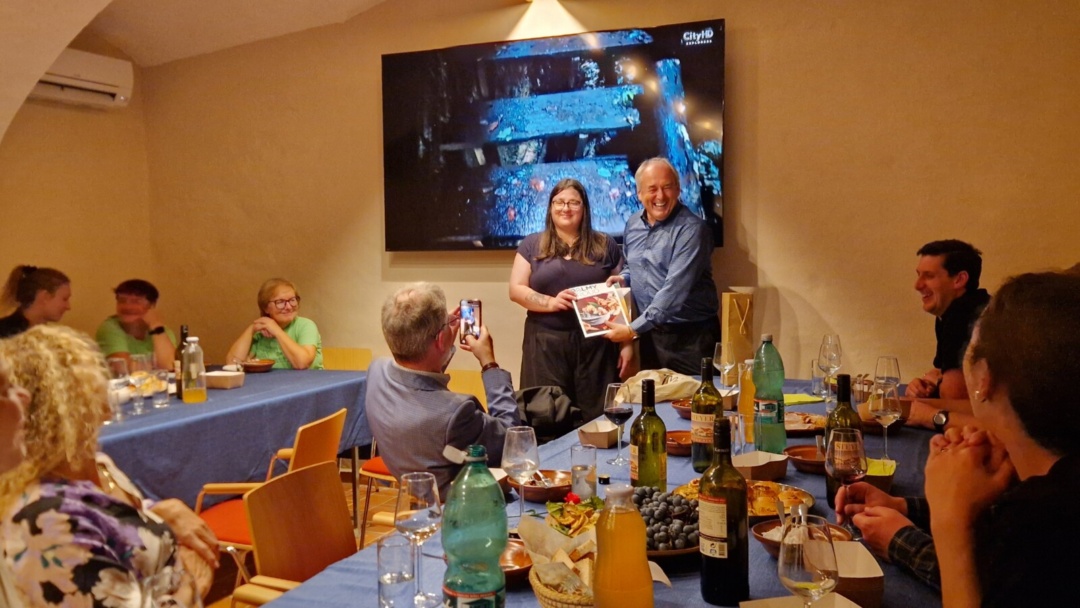
Mayor Željko Savič, together with a local beekeeper, presented the Educational Apiary and introduced the guests to local traditions in a lively and engaging way, accompanied by local herbalists, local cuisine, music and dance by a folklore group.
The visitors also learned about the local REKO market and the importance of strong community connections.
Over the following days, the guests continued exploring good practices in other parts of Slovenia. The final day of the visit was entirely dedicated to joint project work, the development of future activities, and the preparation of common results from the cooperation.
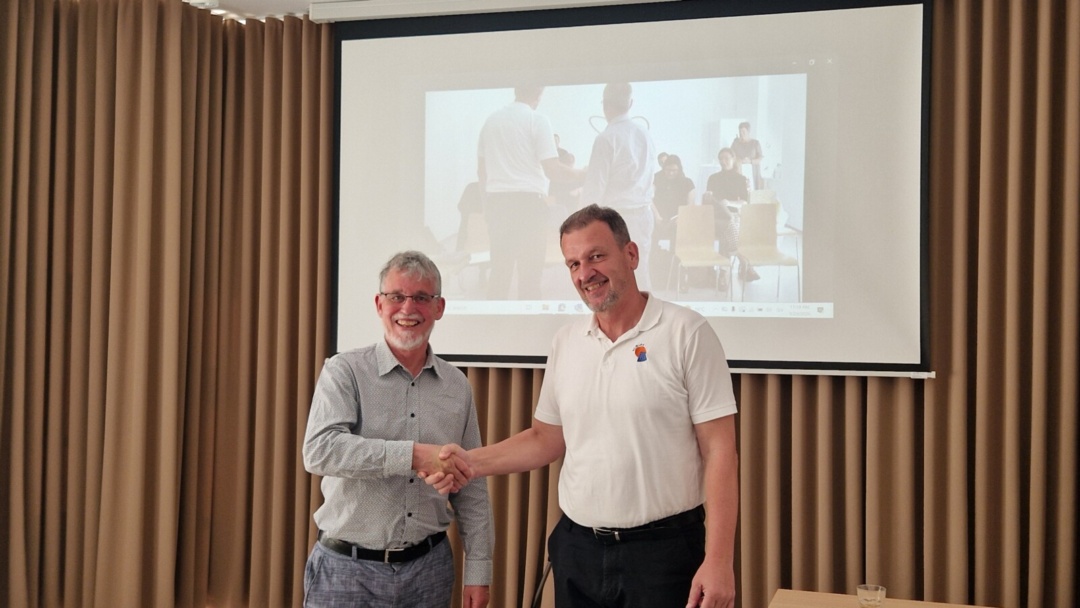
Cooperation between the Ljubljana Urban Region and the regions of Manawatū and Taranaki was further strengthened in 2026 through the signing of a Memorandum of Cooperation in the field of agriculture and innovation.
By exchanging concrete experiences, the partners aimed to identify support approaches that could help farms and rural areas develop new, sustainable, and economically viable activities, and to test transferable practices within their own regional contexts.
See what they learned on the journey ahead here.
The article is also featured on the IURC website under News from Asia & Australasia and Regional Cluster Agri-food & Forestry. Read it here!