Lilijana Madjar Advocates for a Stronger Role for Regions in Development Policy in Brussels
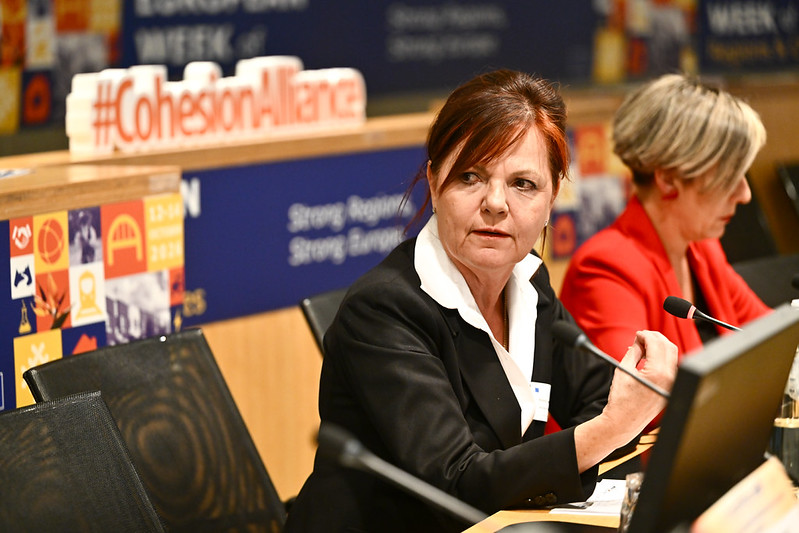
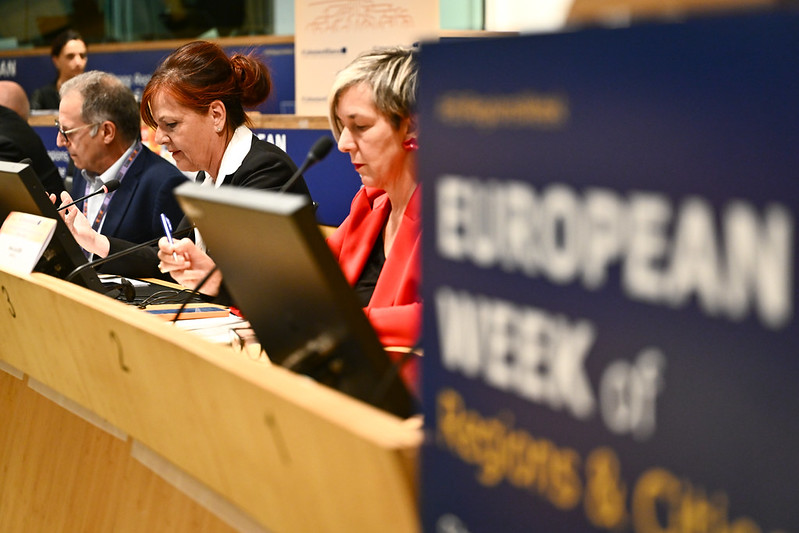
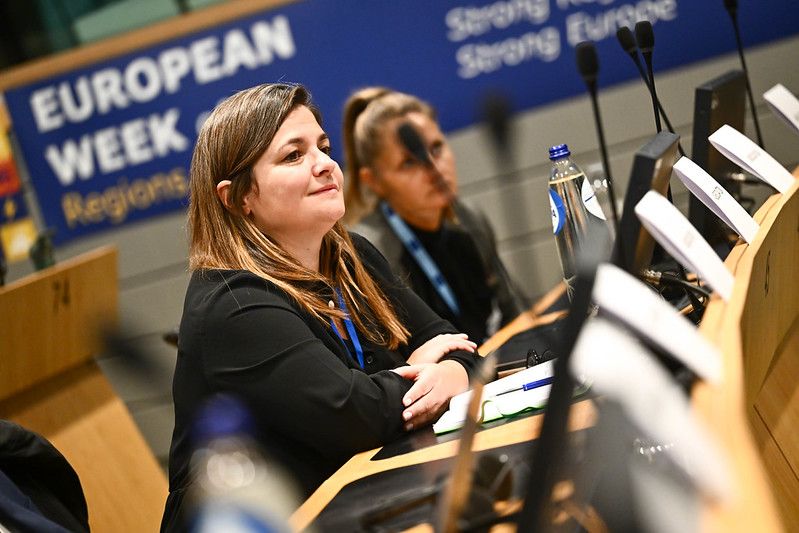
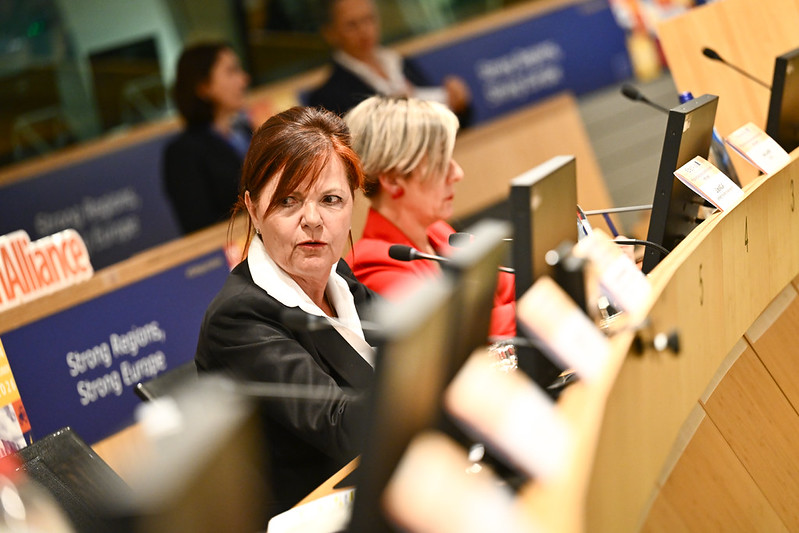
On 14 October 2026, Lilijana Madjar, Director of the Regional Development Agency of the Ljubljana Urban Region, attended a Cohesion Alliance event in Brussels in her capacity as Vice-President of the Assembly of European Regions (AER). The event focused on the future of European Cohesion Policy, where she advocated for regions to be recognised as equal partners in shaping and implementing European development policies.
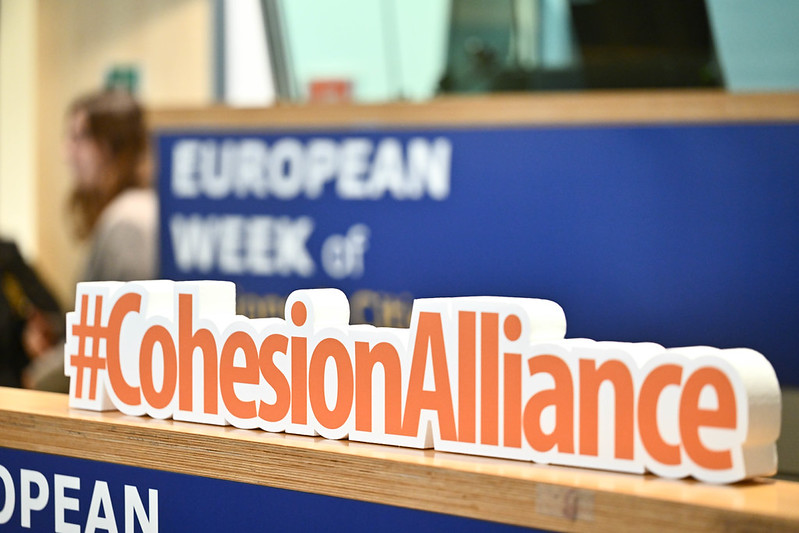
The Cohesion Alliance is a joint movement bringing together more than 12,000 like-minded representatives of cities and regions, their associations, social partners and civil society. Together, its members advocate for cohesion as a fundamental value of the European Union and call for a strong Cohesion Policy beyond 2027.
From Recognition in Principle to a Legally Guaranteed Role for Regions
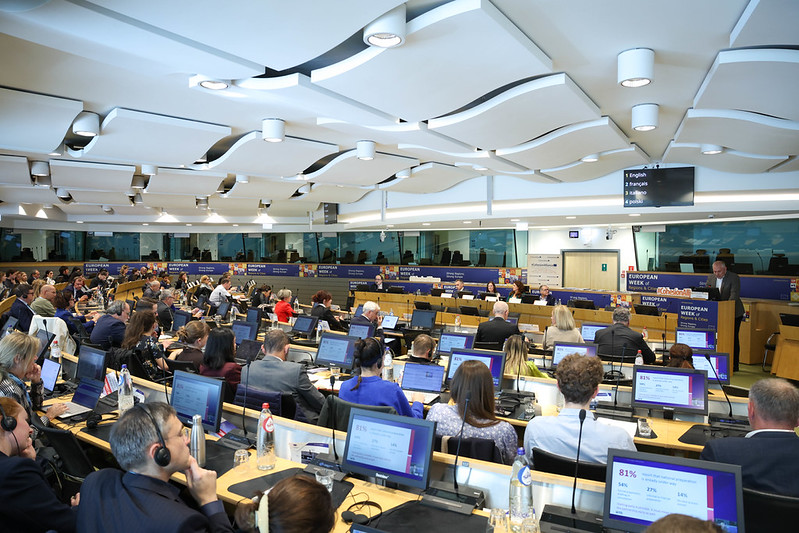
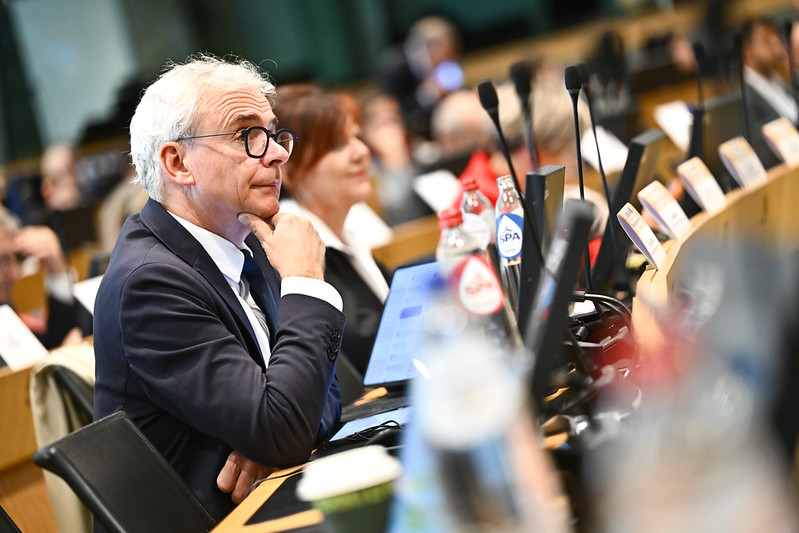
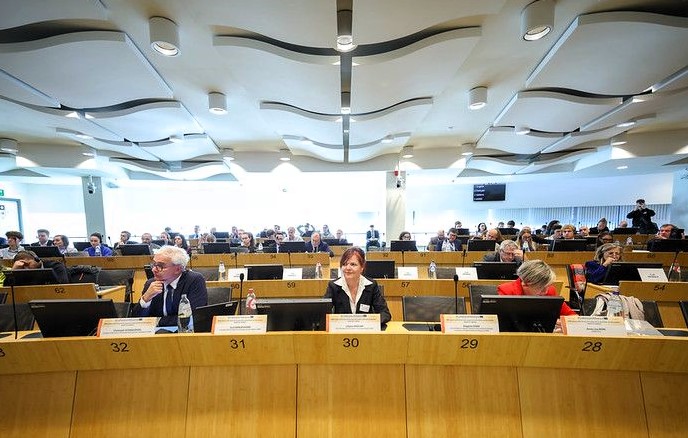
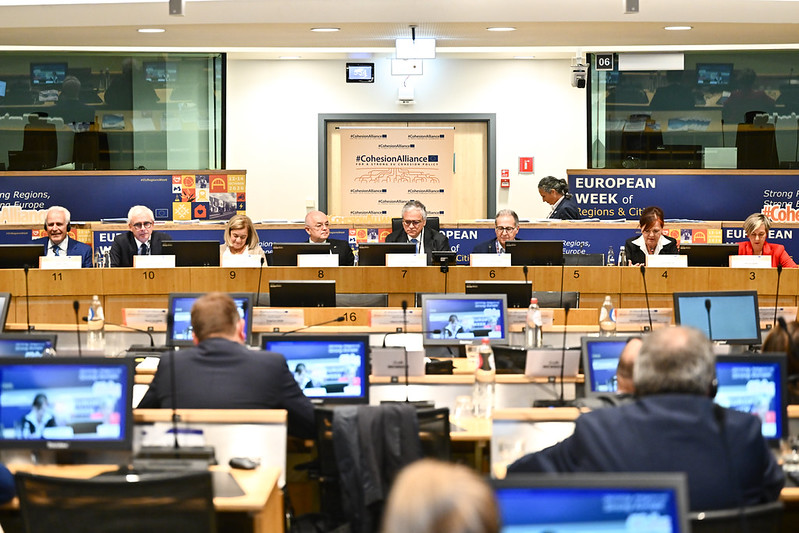
The event, entitled National and Regional Partnership Plans with Local and Regional Authorities at the Centre: Myth or Reality?, took place at the European Committee of the Regions. Representatives of European regions and local communities discussed whether the proposed National and Regional Partnership Plans would ensure the meaningful involvement of local and regional authorities in shaping future EU investments. Against the backdrop of ongoing negotiations on the post-2027 Multiannual Financial Framework and the proposed Regulation on the National and Regional Partnership Plans Fund, participants discussed the implications of these proposals for the future of Cohesion Policy.
Lilijana Madjar, Vice-President of the Assembly of European Regions (AER), emphasised that recognising the importance of regions in principle is not enough and that their role in setting development priorities and making decisions on European investments must also be guaranteed by law. Regions must be equal partners in decisions affecting their communities and have a meaningful role in shaping investment priorities and implementing policies on the ground.
Stable Funding Without Centralisation of Decision-Making
An important part of the discussion also focused on the future Multiannual Financial Framework of the EU. The AER advocates for stable and predictable funding for Cohesion Policy. It supports the simplification of EU funding mechanisms to make funding more accessible and its use more effective, while warning that such simplification must not lead to greater centralisation of decision-making or weaken Cohesion Policy. Beyond 2027, Cohesion Policy must remain one of the key instruments for reducing development disparities, strengthening territorial cohesion and ensuring balanced development across all European territories.
Participation in European discussions plays a key role in efforts to strengthen the position of regions in shaping EU policies and development programmes, which will also have a significant impact on future development opportunities for the Ljubljana Urban Region.
The article is based on the original source: AER, shared through LinkedIn.