IURC Study Visit in Kyoto: Exploring New Opportunities in Agriculture, Food Technology and Innovation
The International Urban and Regional Cooperation (IURC) programme, funded by the European Union, promotes cooperation between cities and regions in the EU and partner countries worldwide, supporting the exchange of knowledge, experience and innovative solutions to shared urban and regional challenges. Through thematic cooperation and study visits, IURC helps build international partnerships and develop opportunities for joint initiatives in areas such as sustainable agriculture, innovation, climate resilience and economic development.
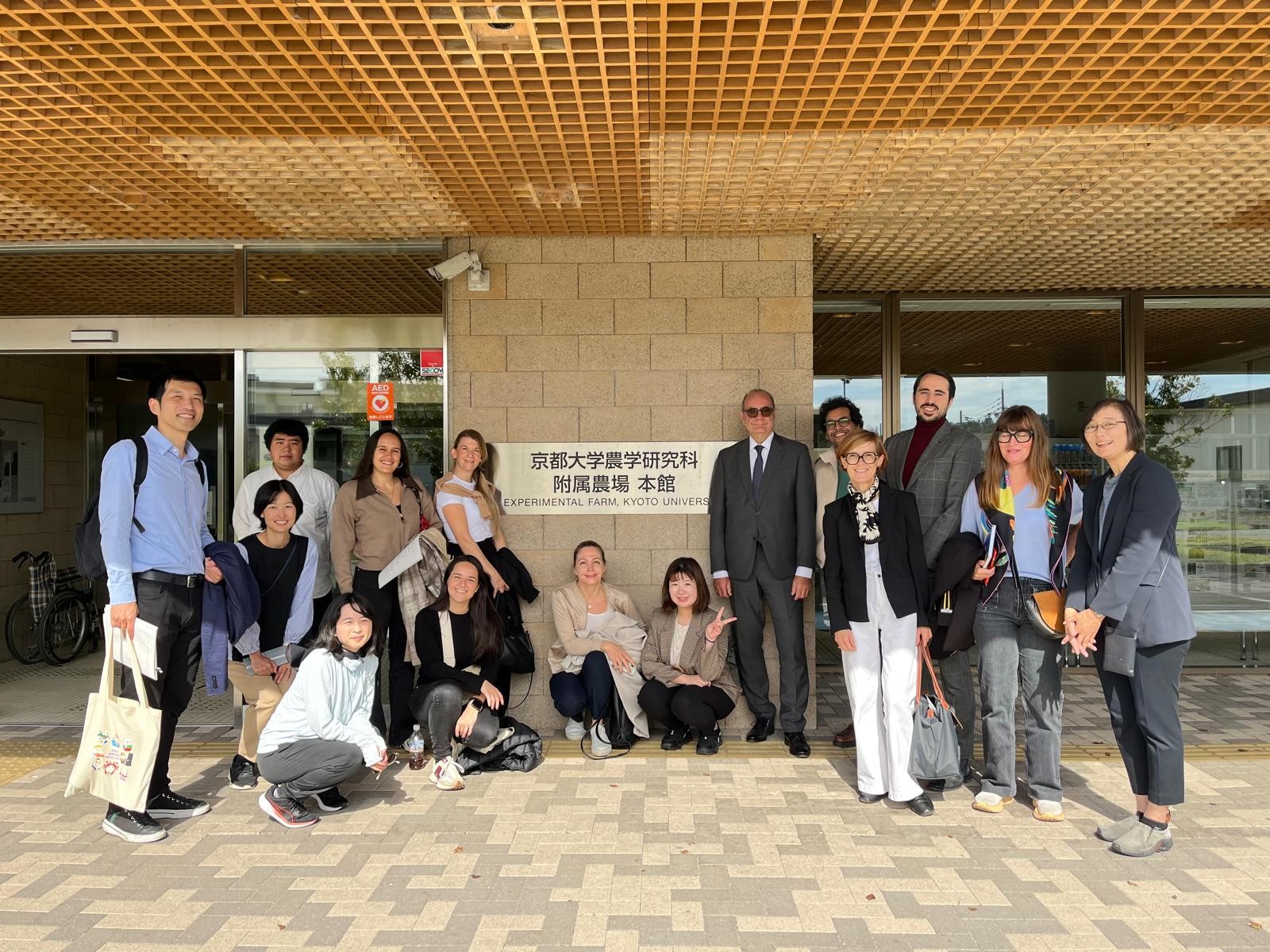
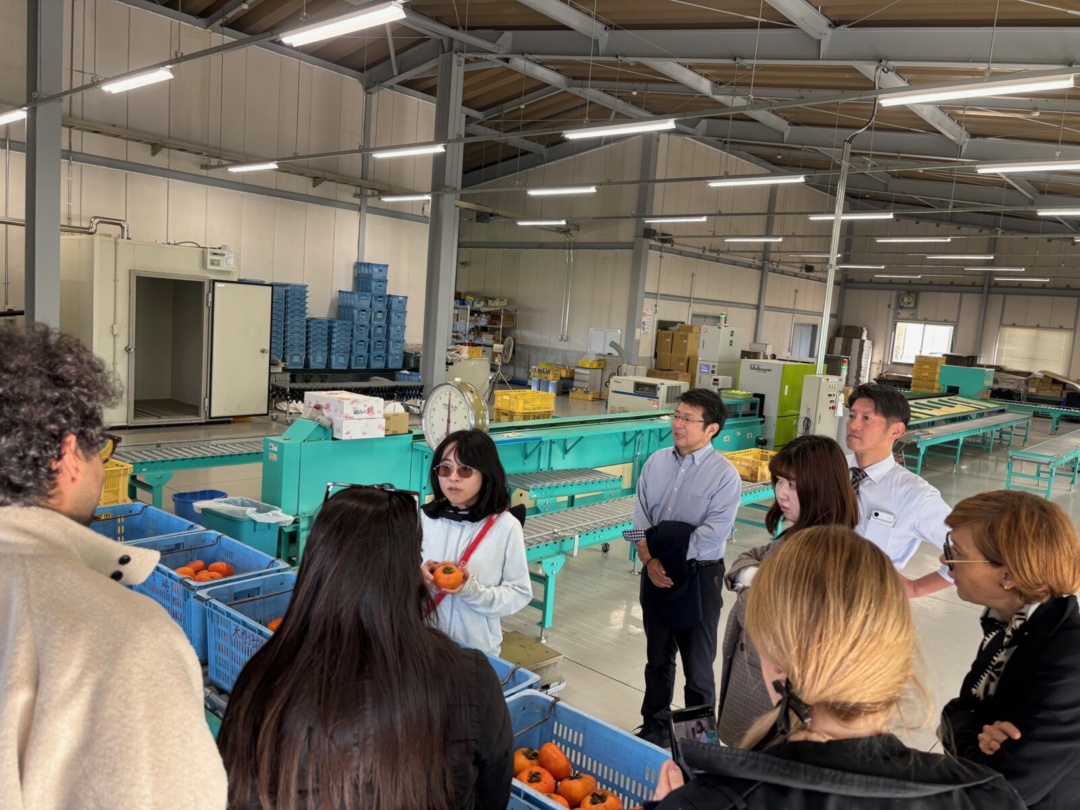
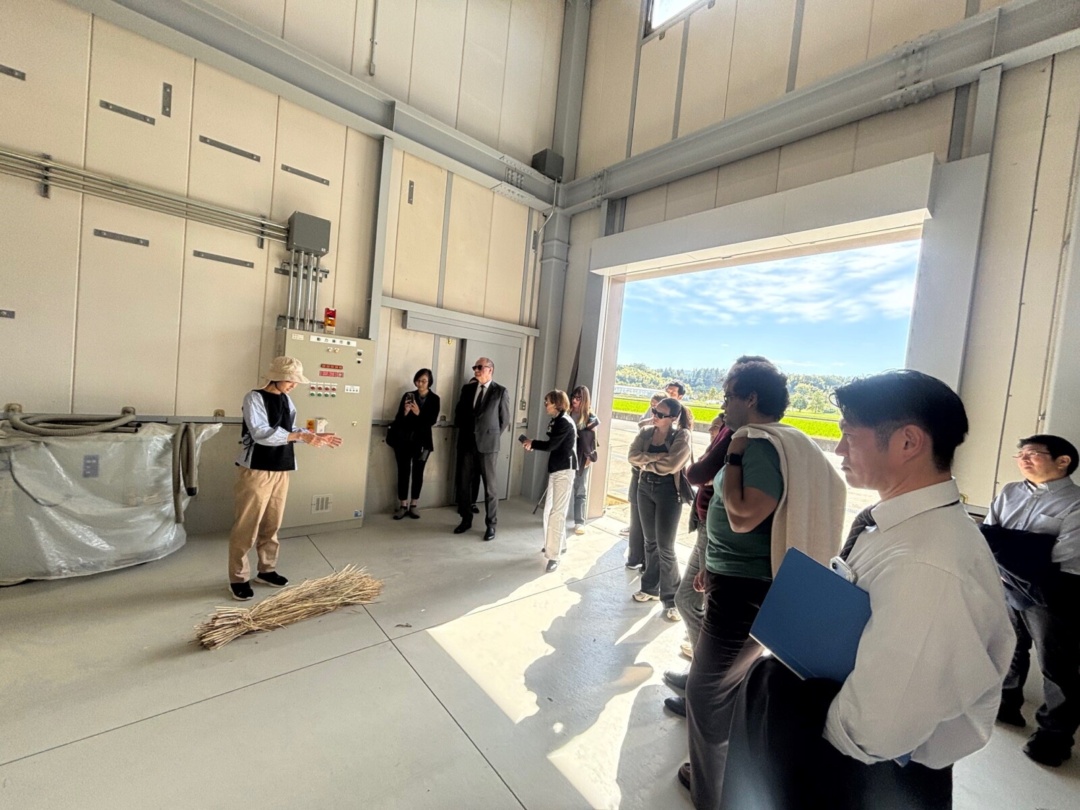
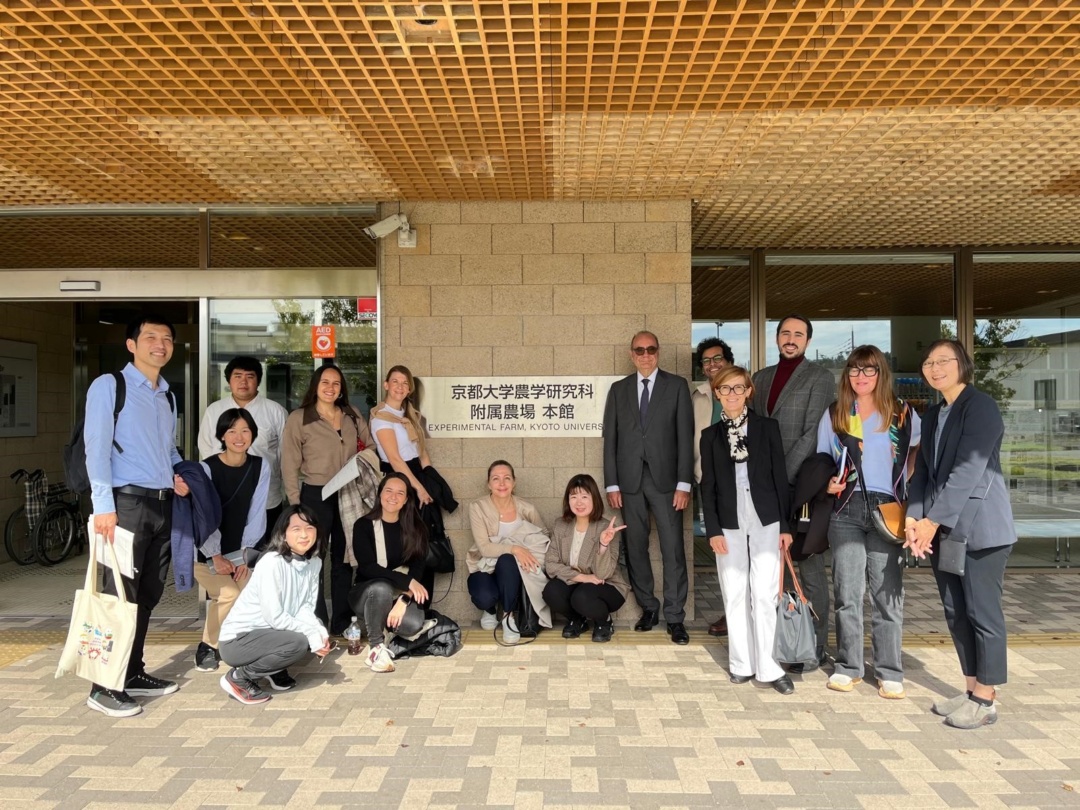
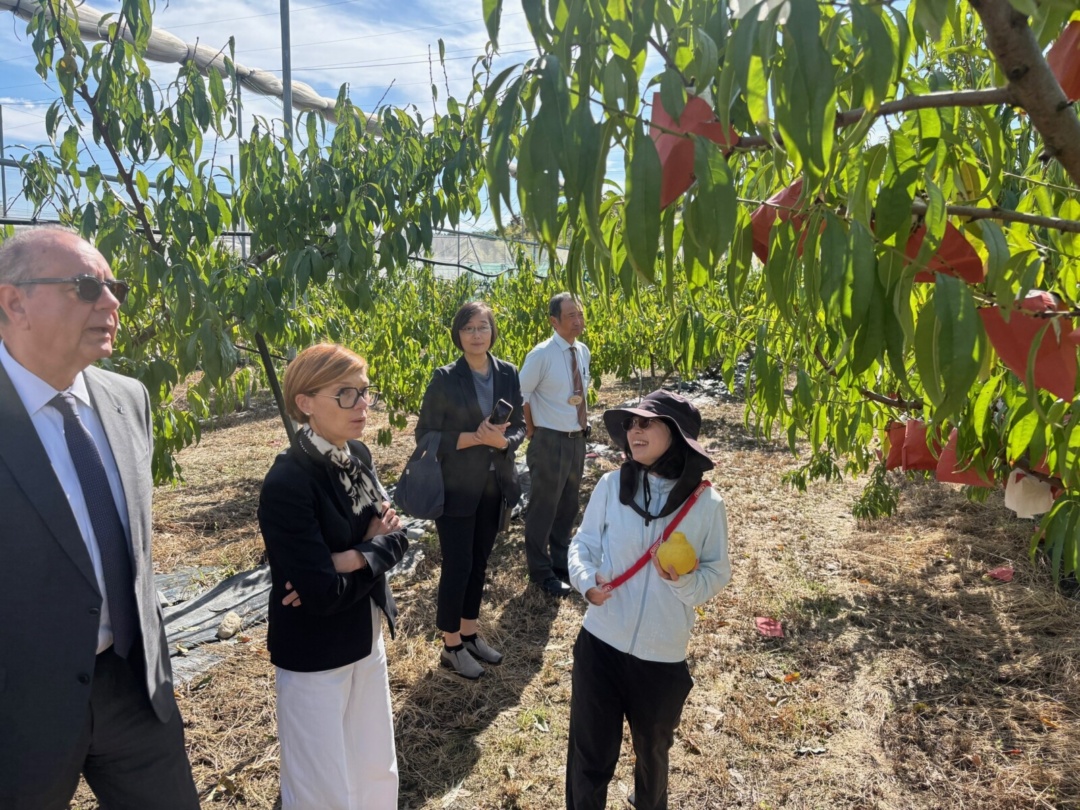
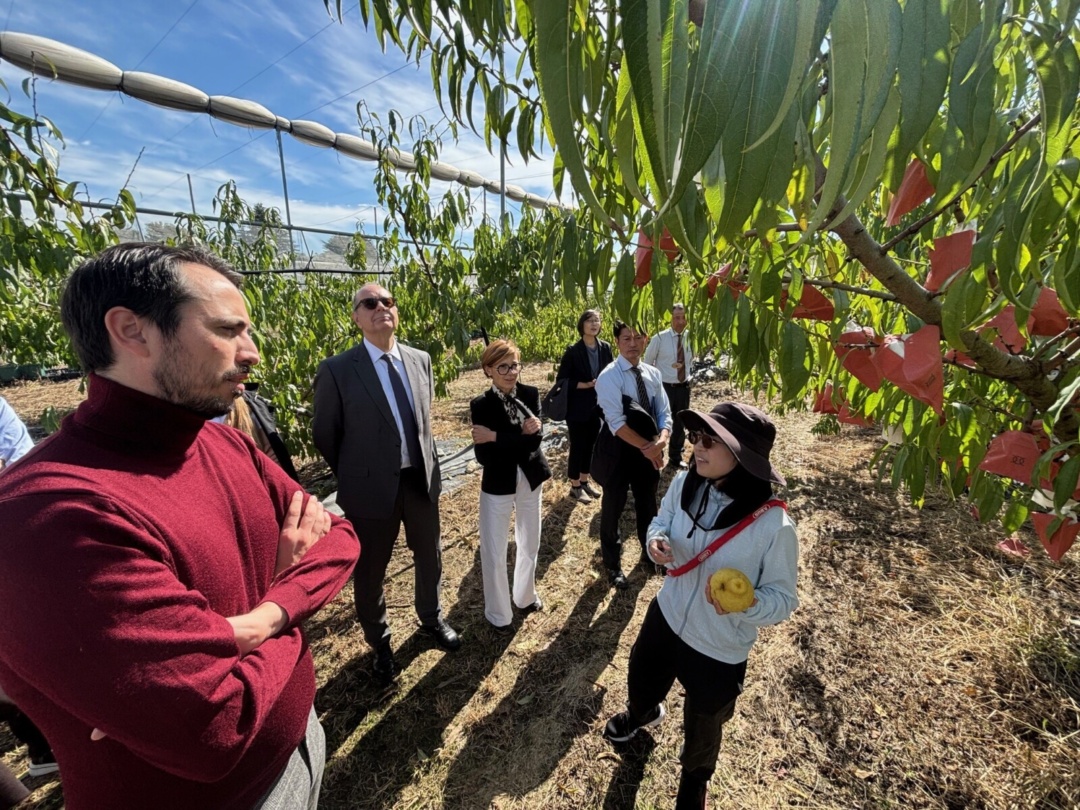
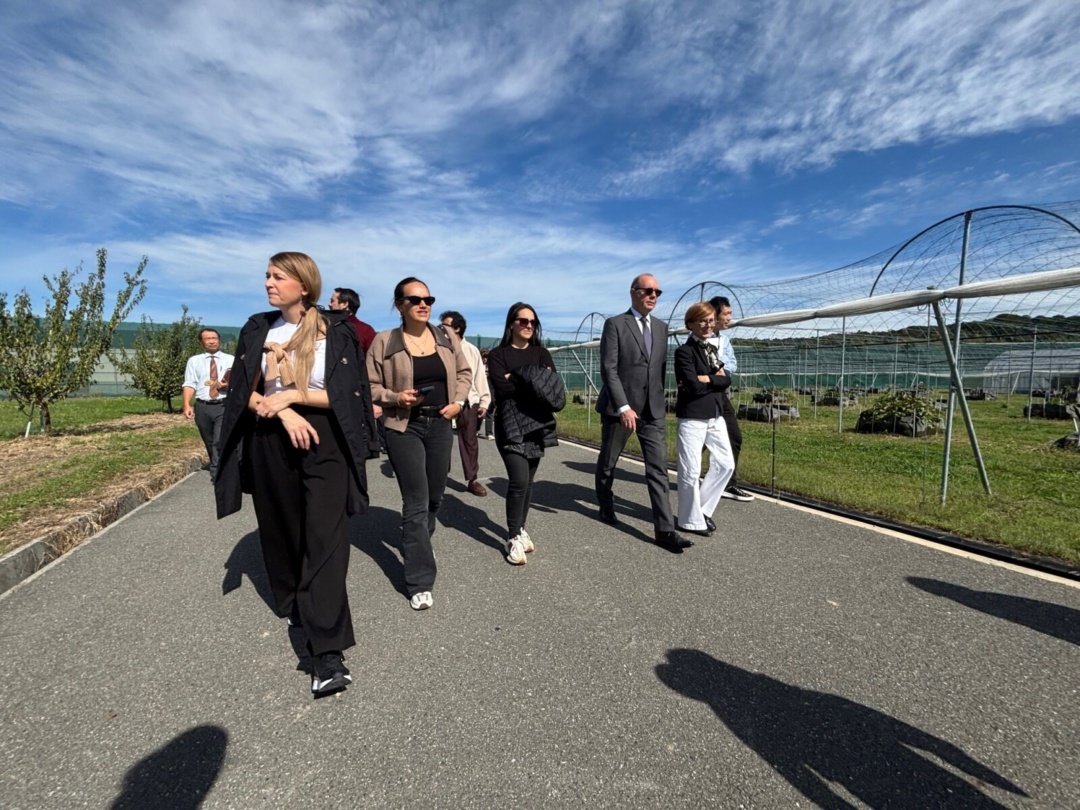
IURC International Delegation during the visit of the Experimential Farm of Kyoto University, Japan.
As part of this cooperation, researchers, businesses and regional representatives from Japan and Europe explored new opportunities for collaboration during an IURC study visit to Kyoto Prefecture from 27 to 30 October 2026.
Ljubljana urban region was represented by Tina Pezdirc Nograšek, Head of International Cooperation at the Regional Development Agency of the Ljubljana Urban Region (RRA LUR), and Dr Nika Cvelbar Weber, researcher and project research group leader at the Agricultural Institute of Slovenia, where she also leads the Berry Research Centre of Slovenia.
Their participation combined expertise in regional development and international cooperation with specialised agricultural research. The visit provided an opportunity to establish connections with Japanese businesses and research institutions, explore potential joint projects and technology exchanges, and strengthen cooperation in sustainable agriculture, biodiversity, agricultural innovation and berry production. It also helped bridge regional development priorities and applied research, laying the groundwork for future international partnerships.
Kyoto Foodtech Expo provided a platform for Innovation and International Cooperation
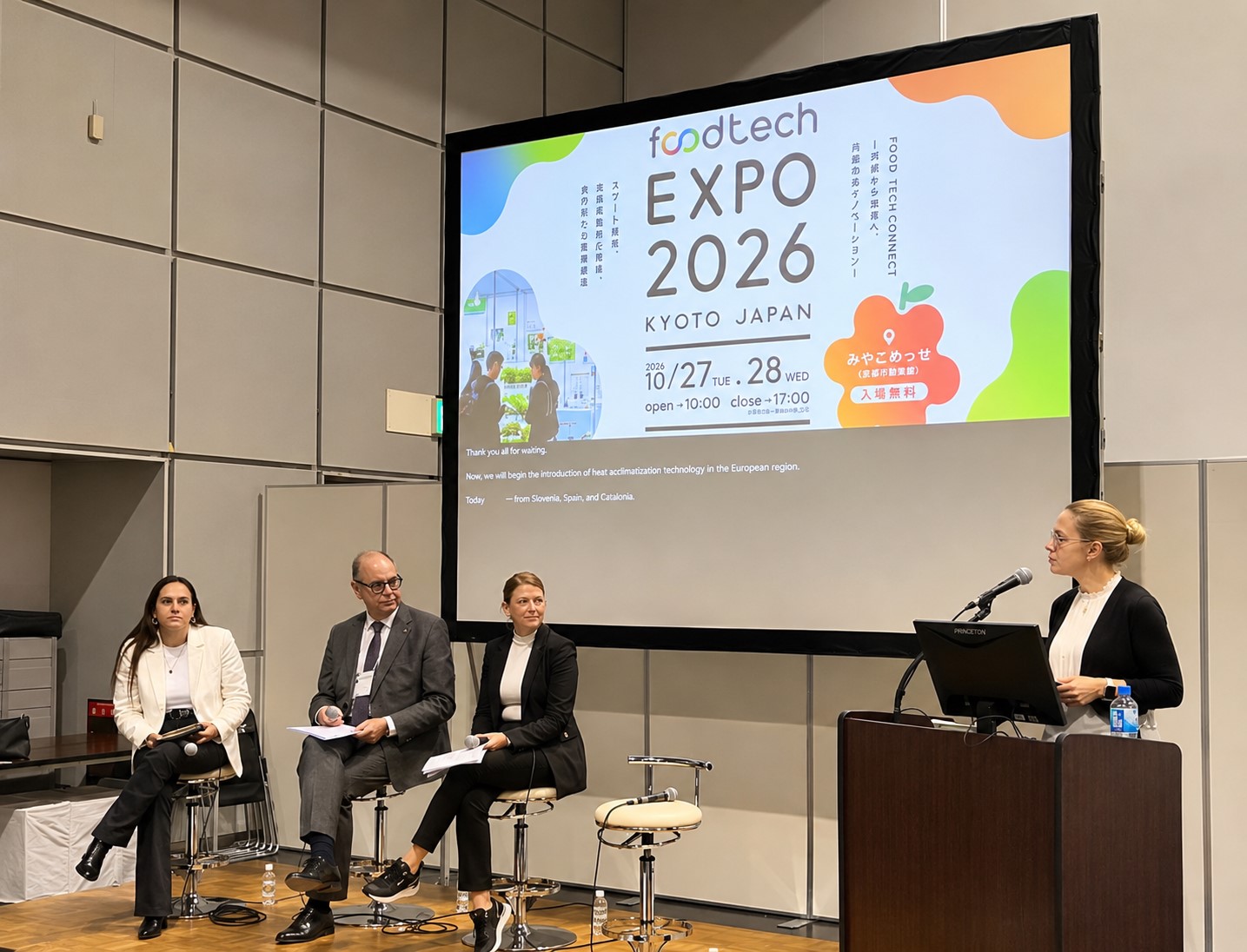
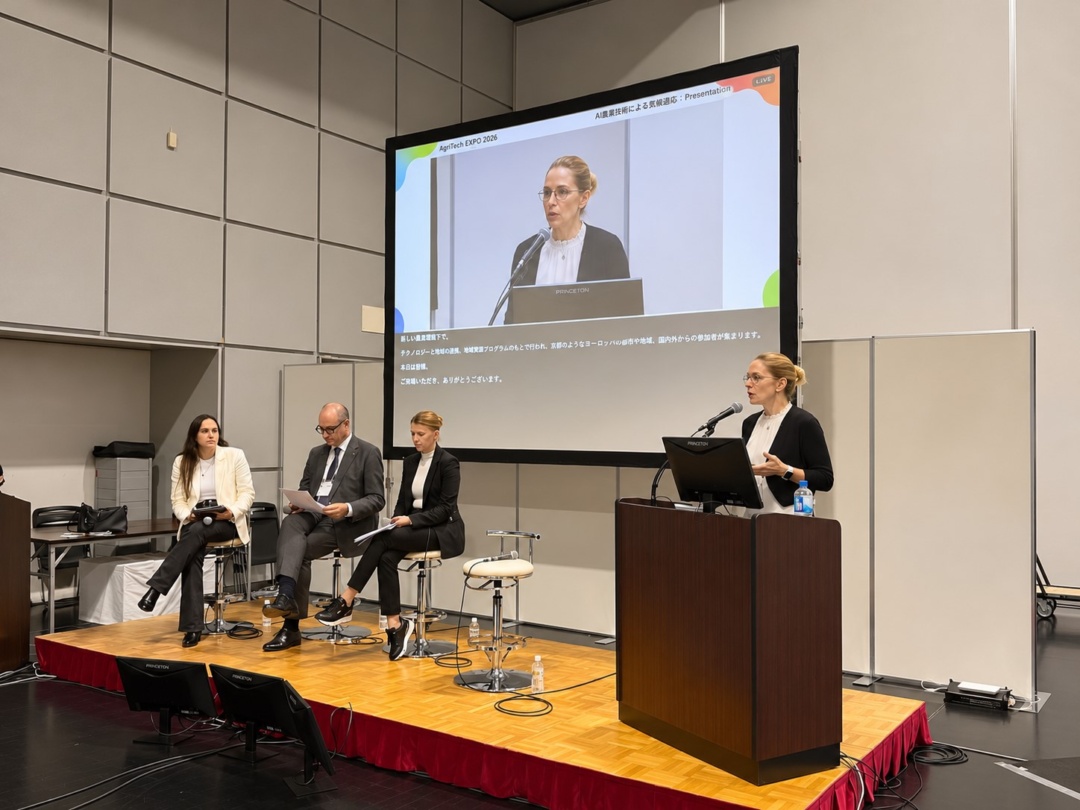
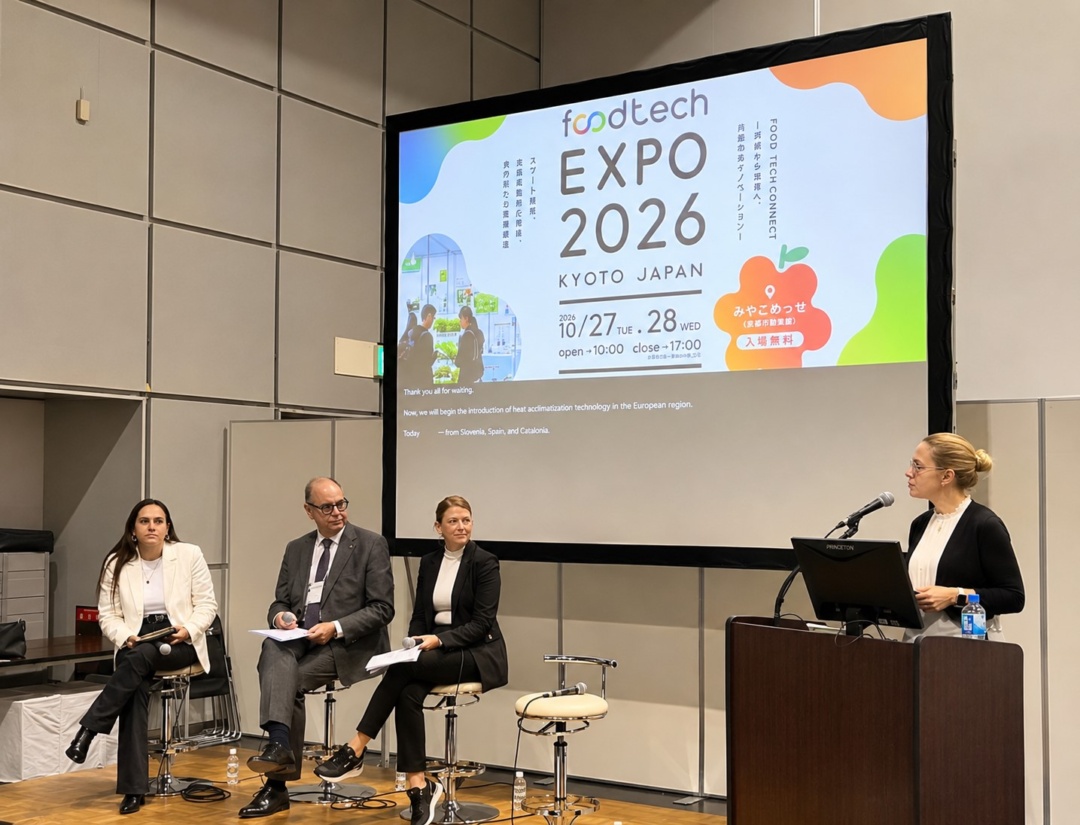
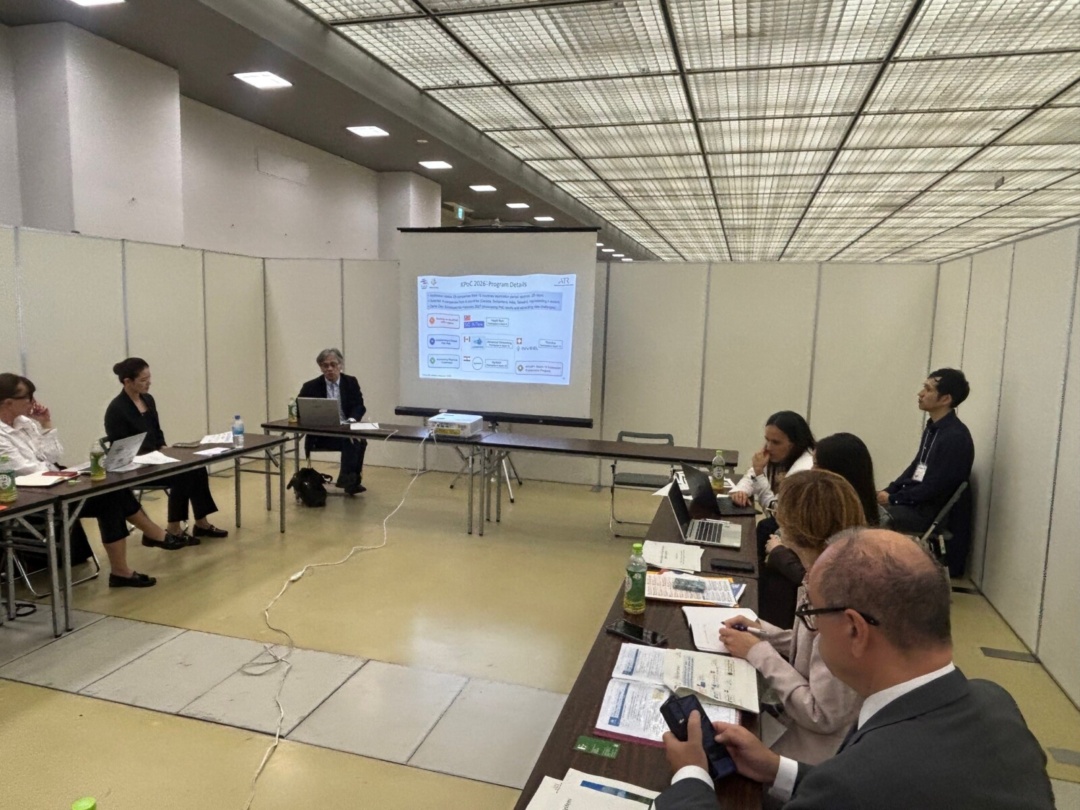
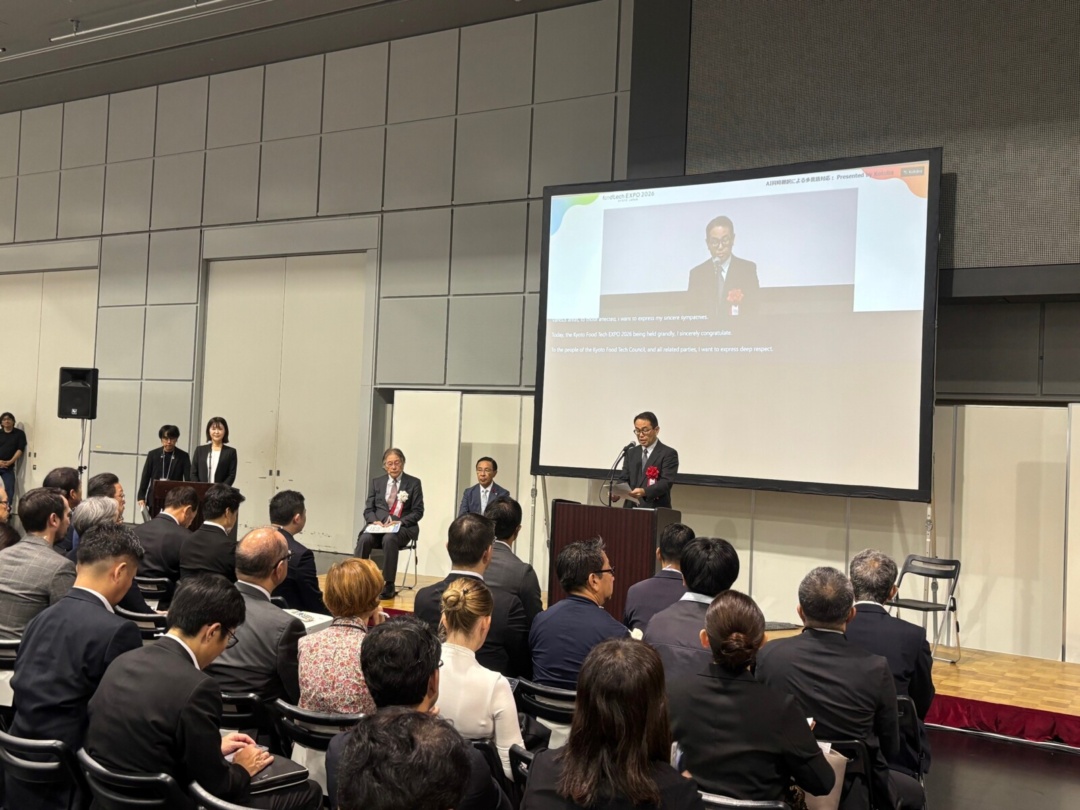
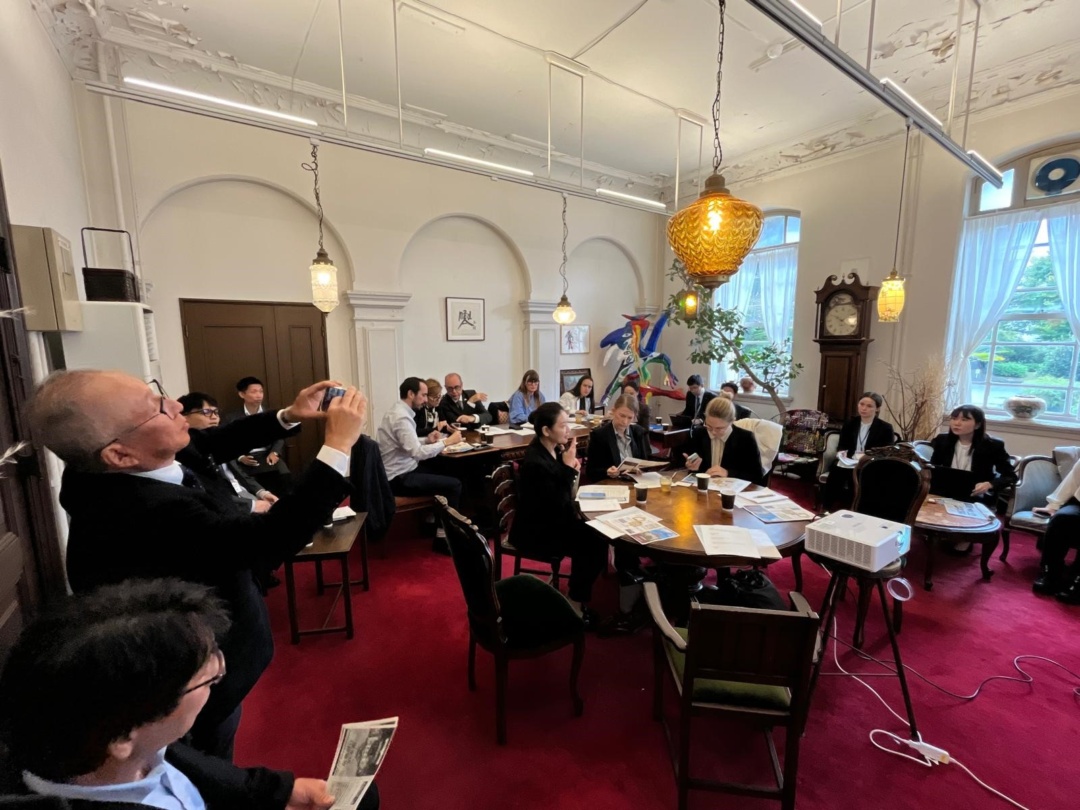
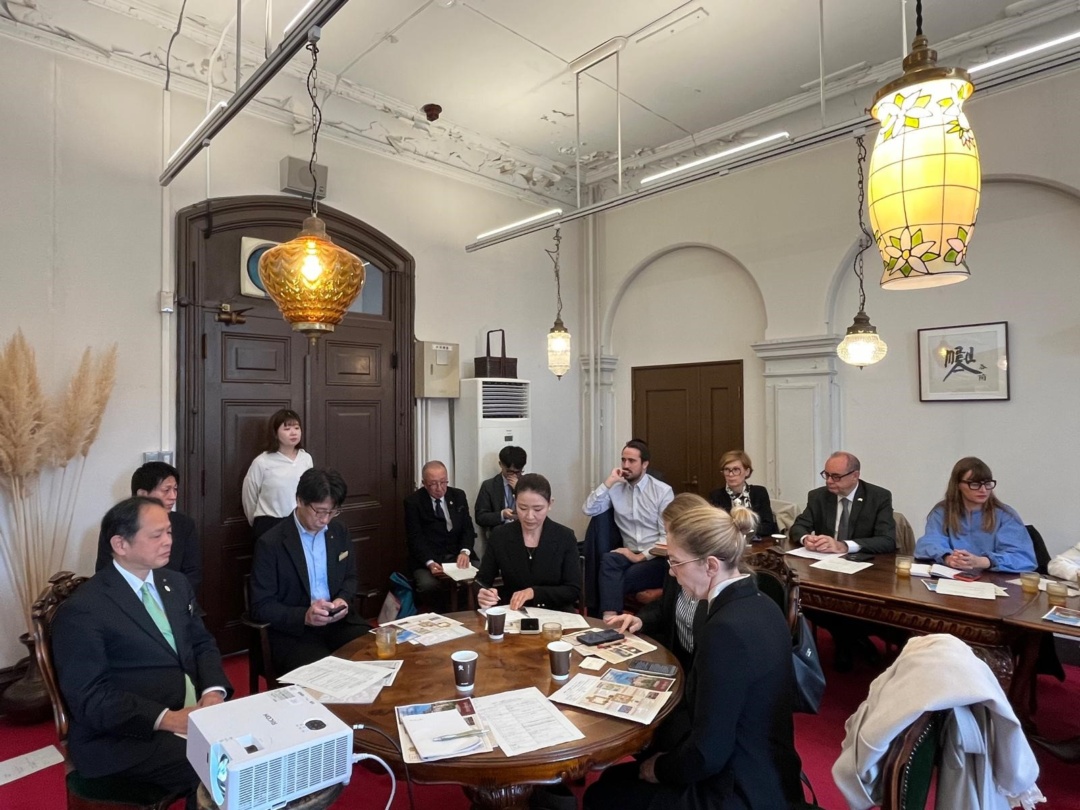
The international panel – one of the two at the Kyoto Foodtech Expo 2026 – was led by Tina Pezdirc Nograšek of RRA LUR: “Introduction to Heat and Drought Adaptation Technologies from Various Countries”
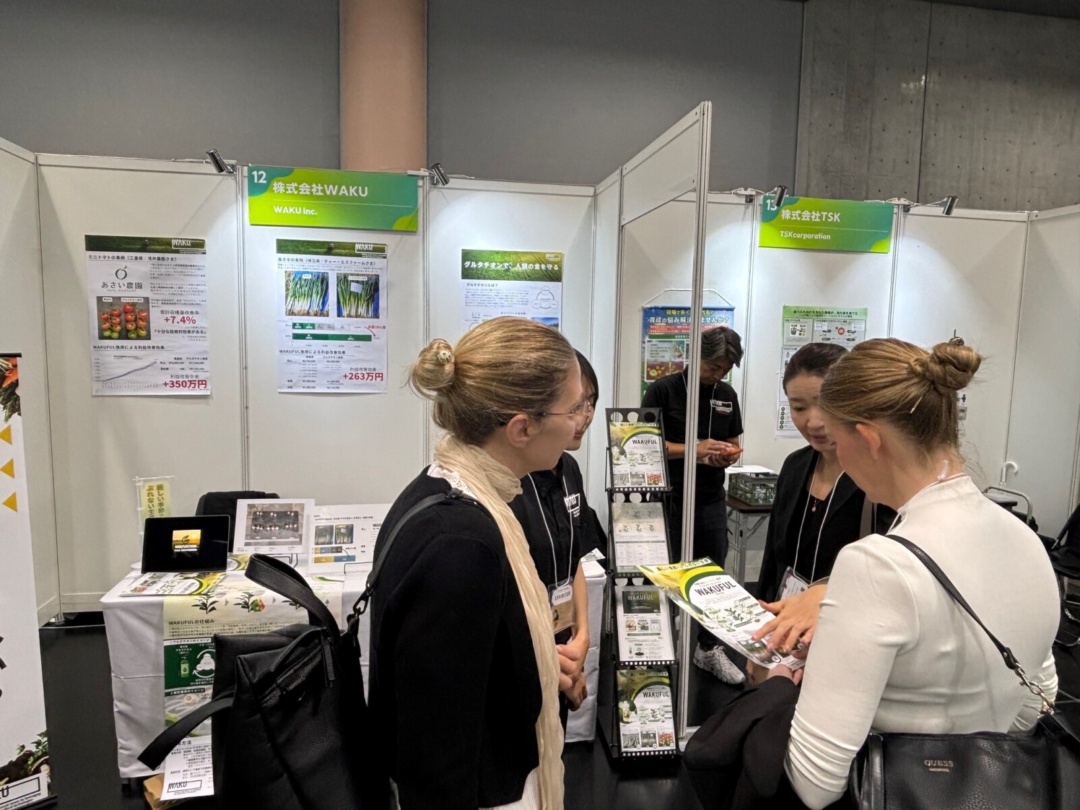
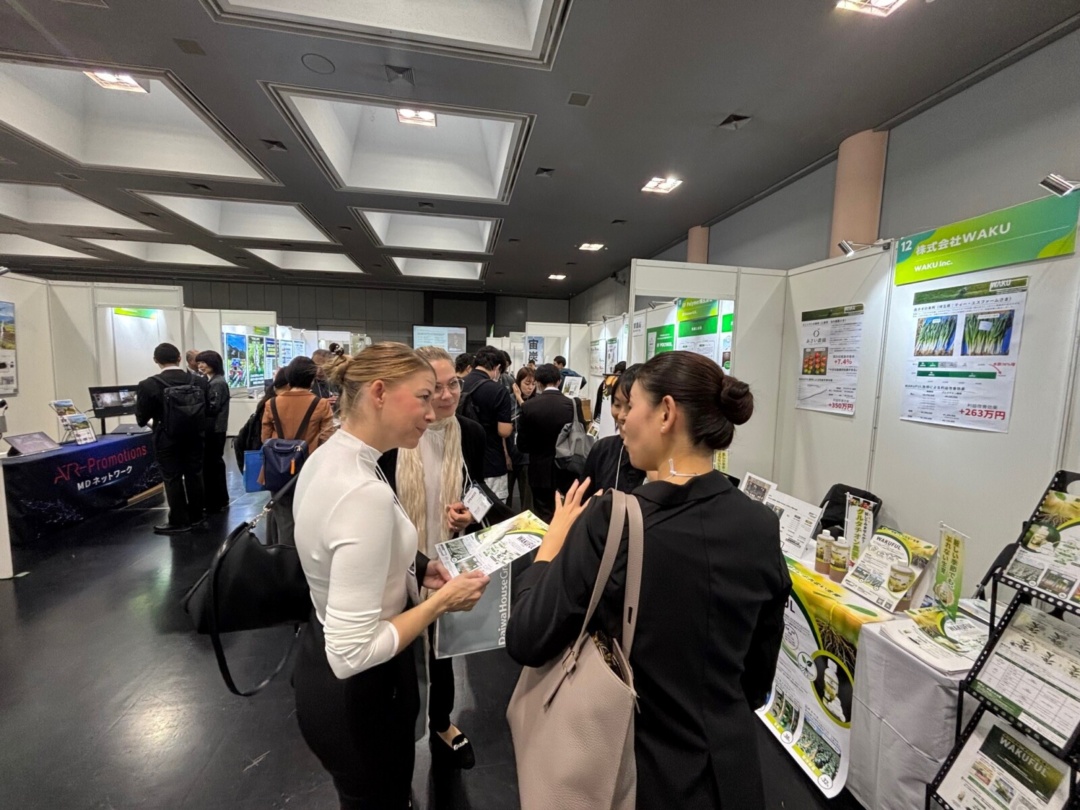
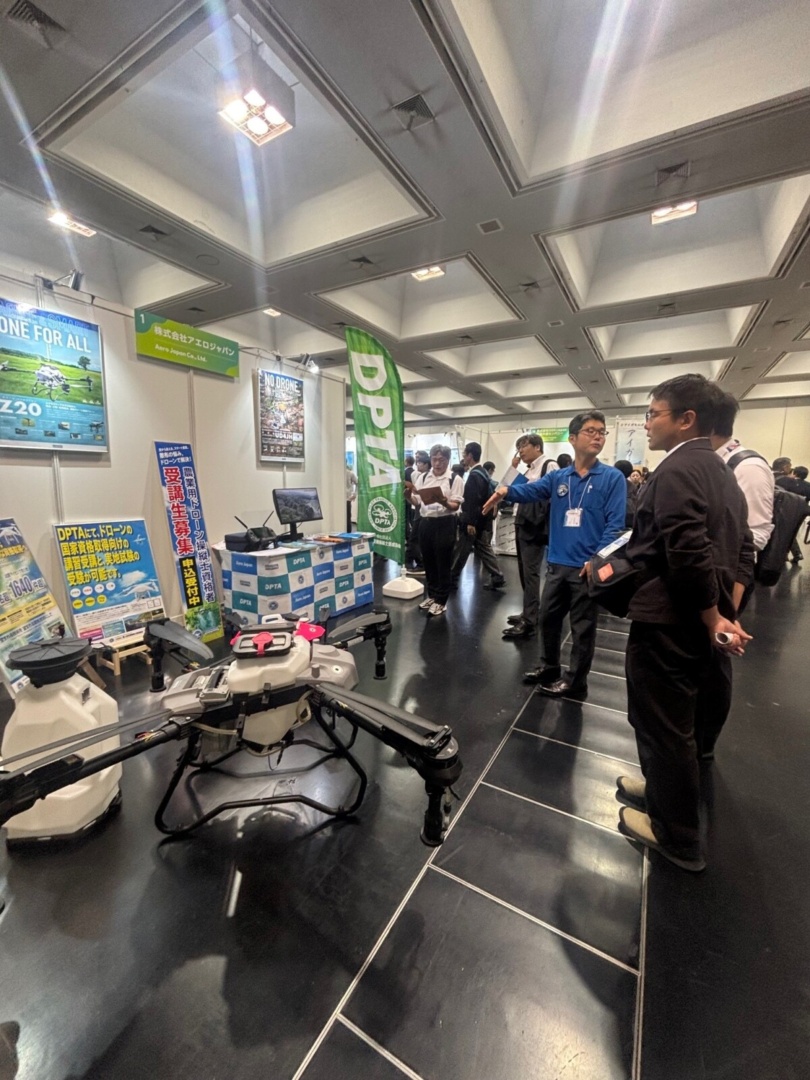
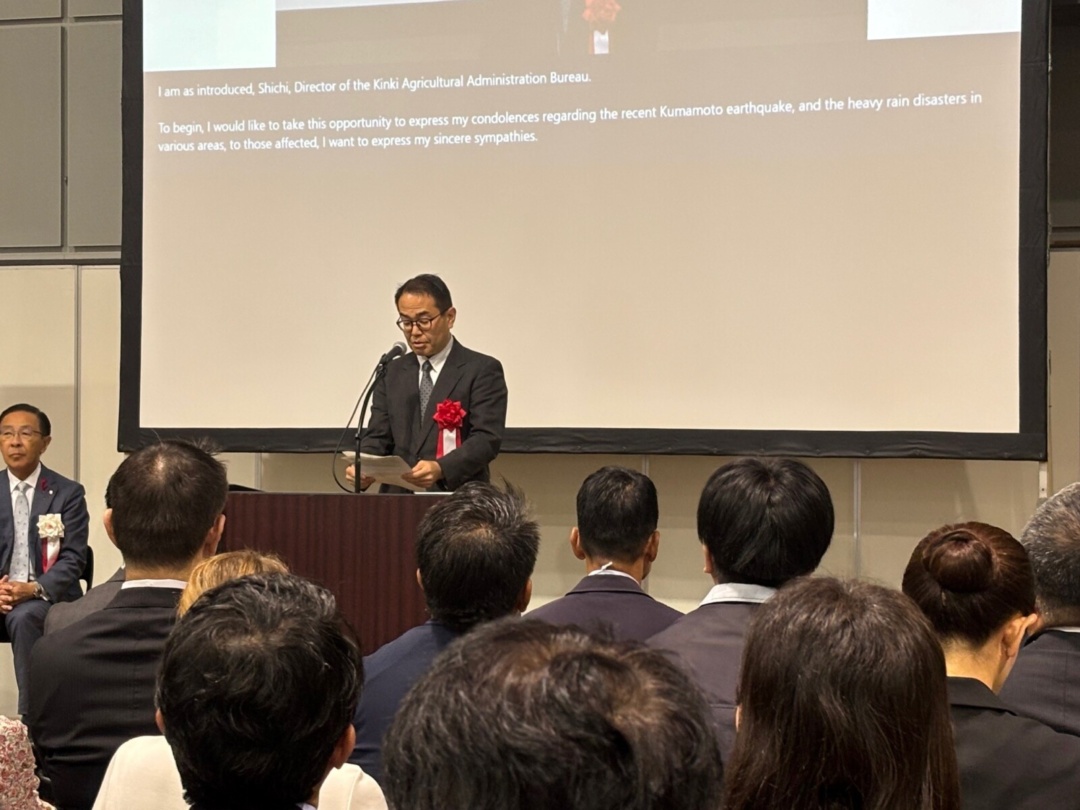
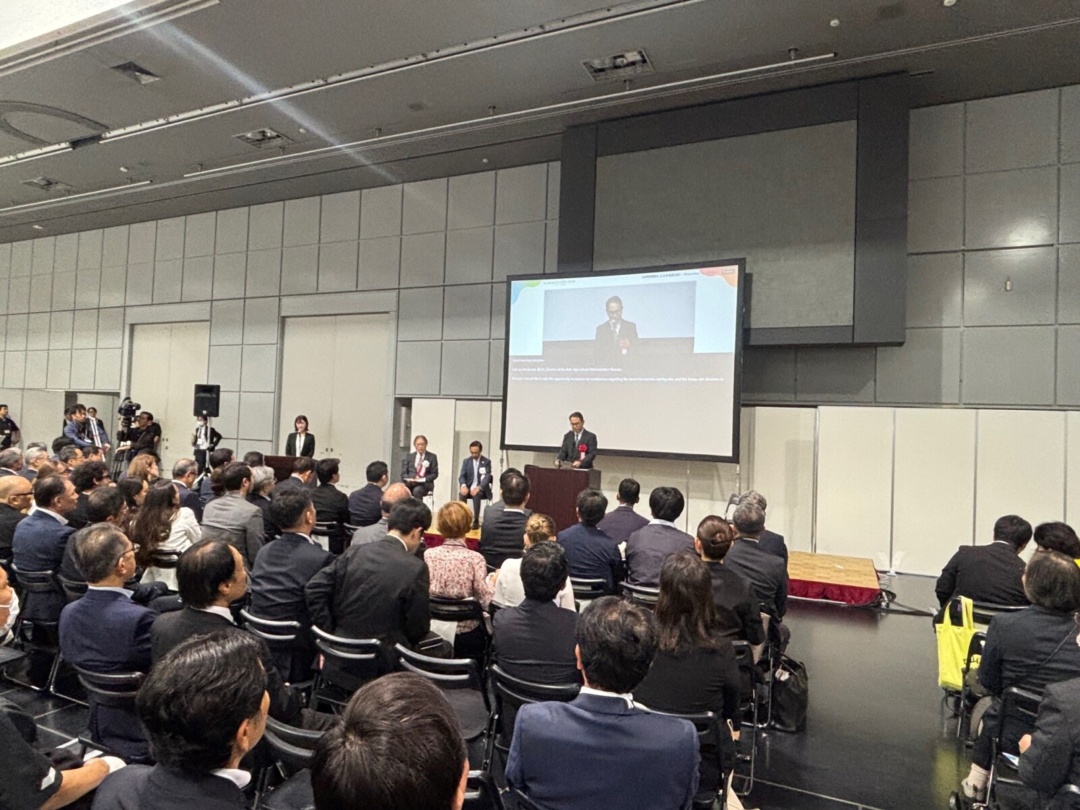
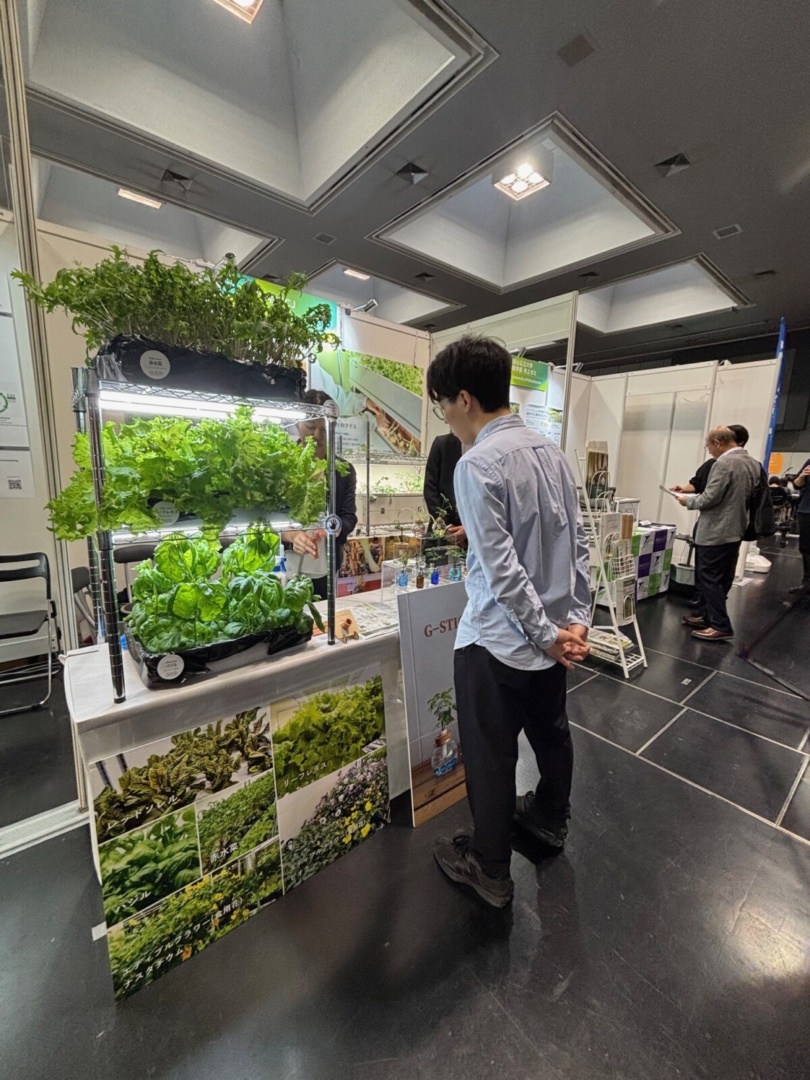
The study visit included participation in the Kyoto Foodtech Expo 2026, held under the theme “Bridging tradition and innovation”. The event provided an opportunity to attend thematic panel discussions, explore innovative solutions presented by Japanese companies, universities and research institutions, and engage directly with representatives of Kyoto’s agricultural and food technology ecosystem.
The Expo showcased a wide range of innovative technologies addressing challenges in agriculture and food production, from climate-resilient farming and sustainable resource management to agricultural robotics, soil biodiversity and advanced food processing. Particular attention was given to solutions that combine digital technologies, circular approaches and scientific research to improve agricultural productivity, resource efficiency and environmental sustainability.
A particular highlight of this year’s Expo was its new international dimension. Although Kyoto Foodtech Expo was held for the fourth consecutive year, 2026 marked the first time that international sessions featuring European regional representatives were included in the programme. Two dedicated panels provided a platform for exchanging European and Japanese expertise and exploring opportunities for future collaboration.
The first international panel, “Introduction to Heat and Drought Adaptation Technologies from Various Countries,” was moderated by Tina Pezdirc Nograšek, Head of International Cooperation at RRA LUR. Bringing together representatives from the Ljubljana Urban Region, Val d’Oise and Catalonia, the session focused on innovative approaches to addressing heat stress and drought in agriculture. Discussions highlighted the importance of research, digital technologies and practical solutions to help farmers adapt to increasingly challenging climatic conditions.
The second international panel, “Fermentation Technologies and Industries,” brought together representatives from Île-de-France, including Genopole and Fungu’it and Catalonia’s Beta Technological Centre. The discussion explored advances in fermentation technologies, particularly their potential to transform plant-based by-products into valuable food ingredients, as well as the role of research infrastructure and industrial partnerships in bringing innovative biotechnology solutions to market.
Both sessions marked an important step towards strengthening the international reach of Kyoto Foodtech Expo and creating new opportunities for cooperation between European and Japanese research institutions, businesses and regions.
Learning from Kyoto’s research ecosystem
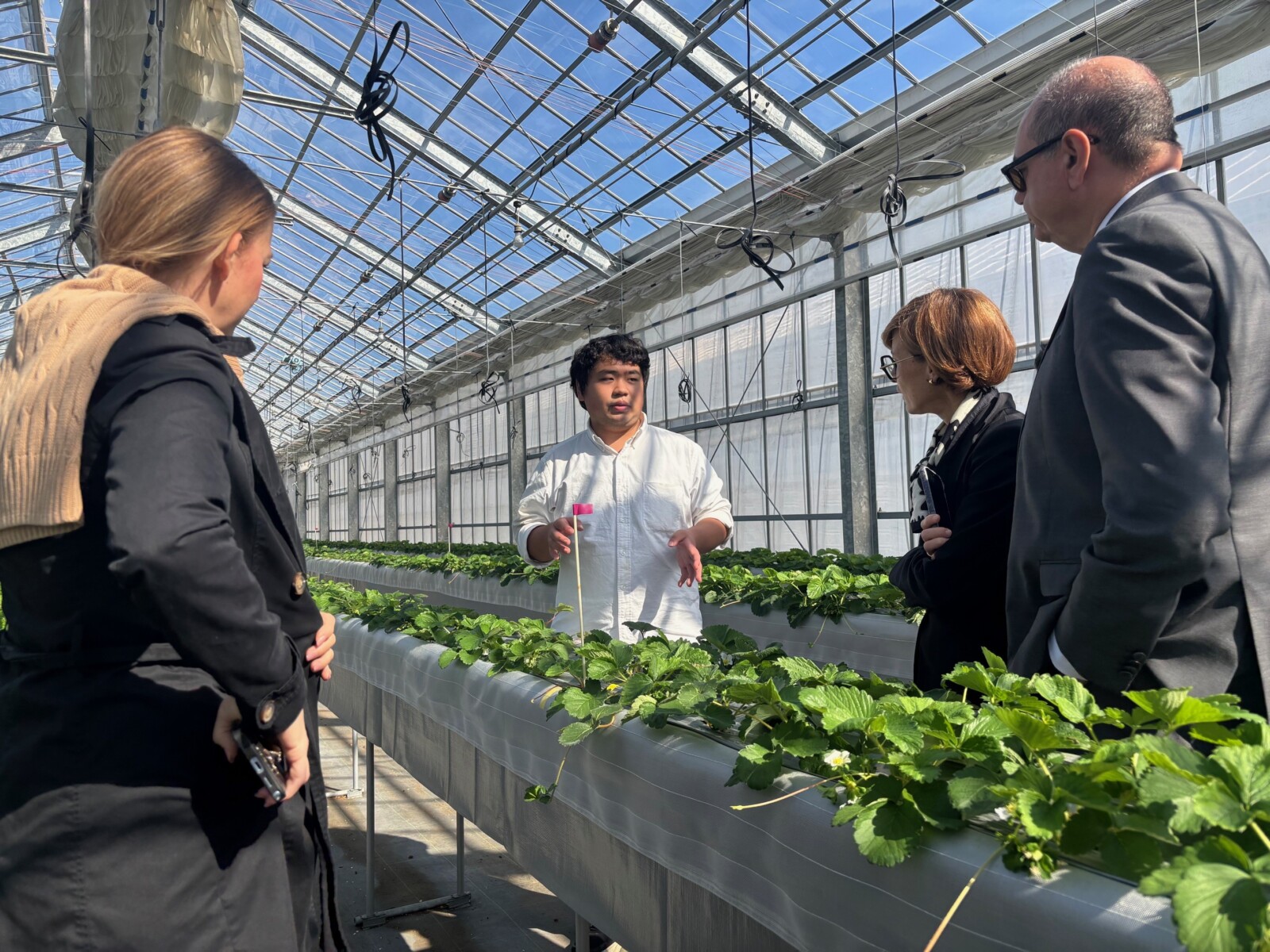
On 29 October, participants visited Kyoto University’s agricultural experimental farm in Kizugawa City. They observed elevated strawberry cultivation and learned about measures to protect fruit trees from typhoons and excessive sunlight.
A visit to Kyoto Research Park and the Kyoto City Industrial Technology Research Institute highlighted the support available to startups and small businesses, as well as the connections between scientific research and Kyoto’s traditional industries.
Ljubljana Urban Region Identifies Promising Opportunities for Joint Projects
The Kyoto study visit created opportunities for research and business cooperation between Japanese and European partners, particularly in agricultural technologies, circular economy, biodiversity and food innovation. For the Slovenian delegation, several meetings led to discussions on potential technology testing, joint research and participation in international projects.
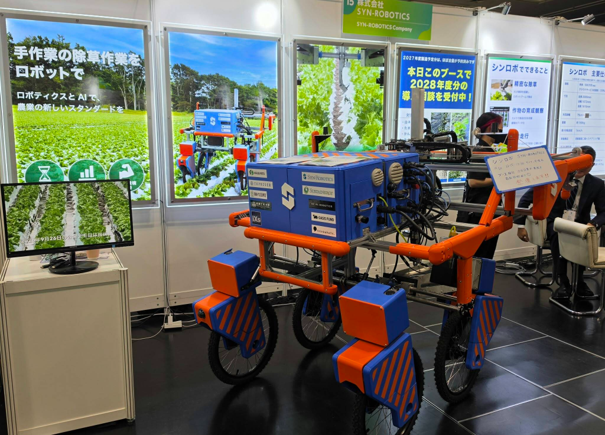
Among the companies of particular interest was SynRobotic, whose compact, AI-powered weeding robot could offer practical solutions for smaller European farms, especially in organic agriculture. Discussions focused on opportunities to test and adapt the technology to Slovenian farming conditions. Another promising innovation was a crab-shaped mechanical weeding device with potential applications in orchards and berry production.
EF Polymer presented biodegradable materials derived from agricultural waste, including orange and banana residues, that improve soil water retention. The technology could contribute to addressing drought and water scarcity in agricultural cooperation projects in Africa, while also offering potential for further development and testing within European circular economy initiatives.
Sunlit Seedlings, specialising in soil microorganisms and biodiversity, was identified as a potential partner for collaborative research and knowledge exchange.
Building on these exchanges, the Slovenian delegation presented three international project proposals currently under preparation, covering the circular economy, biodiversity and agricultural cooperation with Africa. These initiatives could provide opportunities to involve Japanese companies and research institutions in joint activities, depending on funding opportunities and eligibility requirements.
Cooperation potential was also identified during visits to the Kyoto Municipal Institute of Industrial Technology and Culture and the Kyoto Prefectural Technology Center for Small and Medium Enterprises, particularly in access to specialised laboratories, joint analyses and applied research. At the Kyoto University Experimental Farm, discussions focused on strawberry production, including the exchange of varieties, cultivation techniques and plant protection practices.
Meeting with Kyoto Prefecture Vice Governor
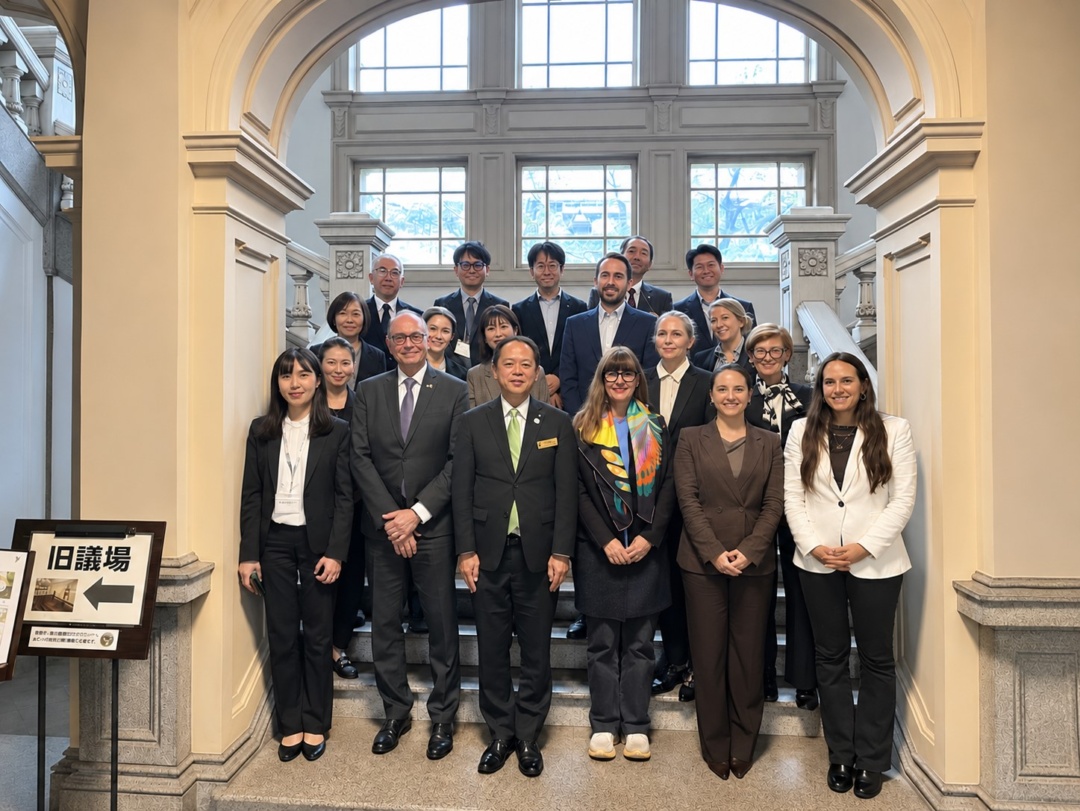
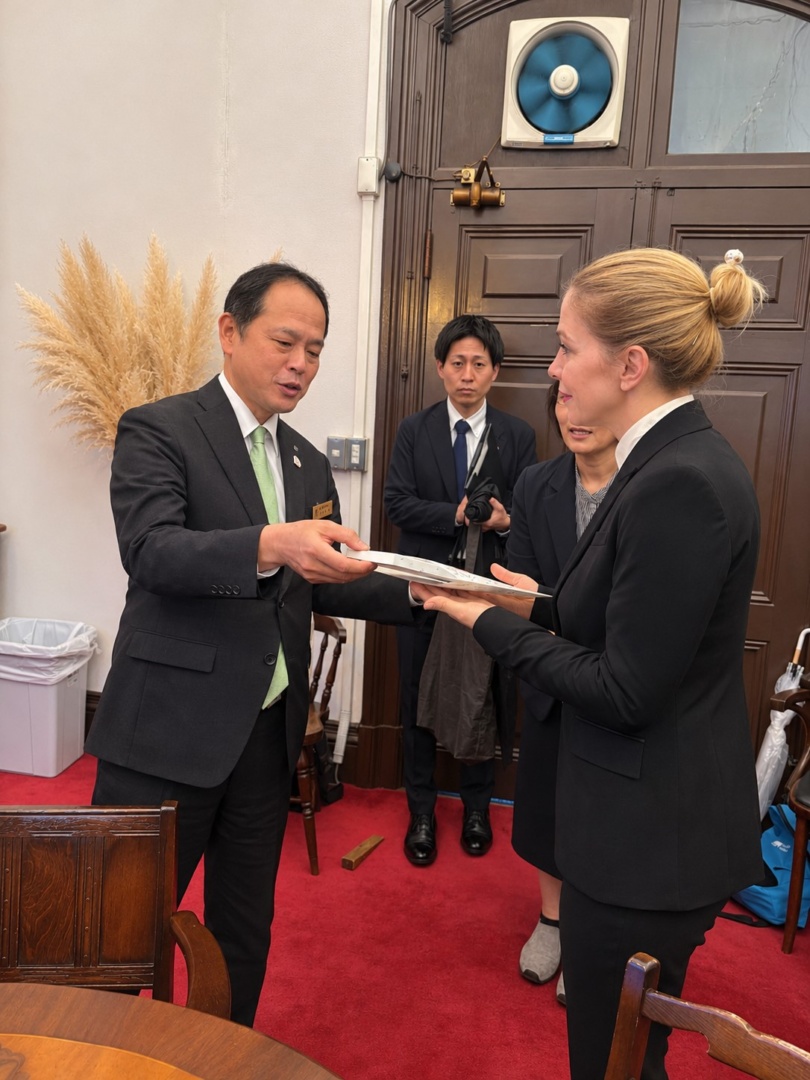
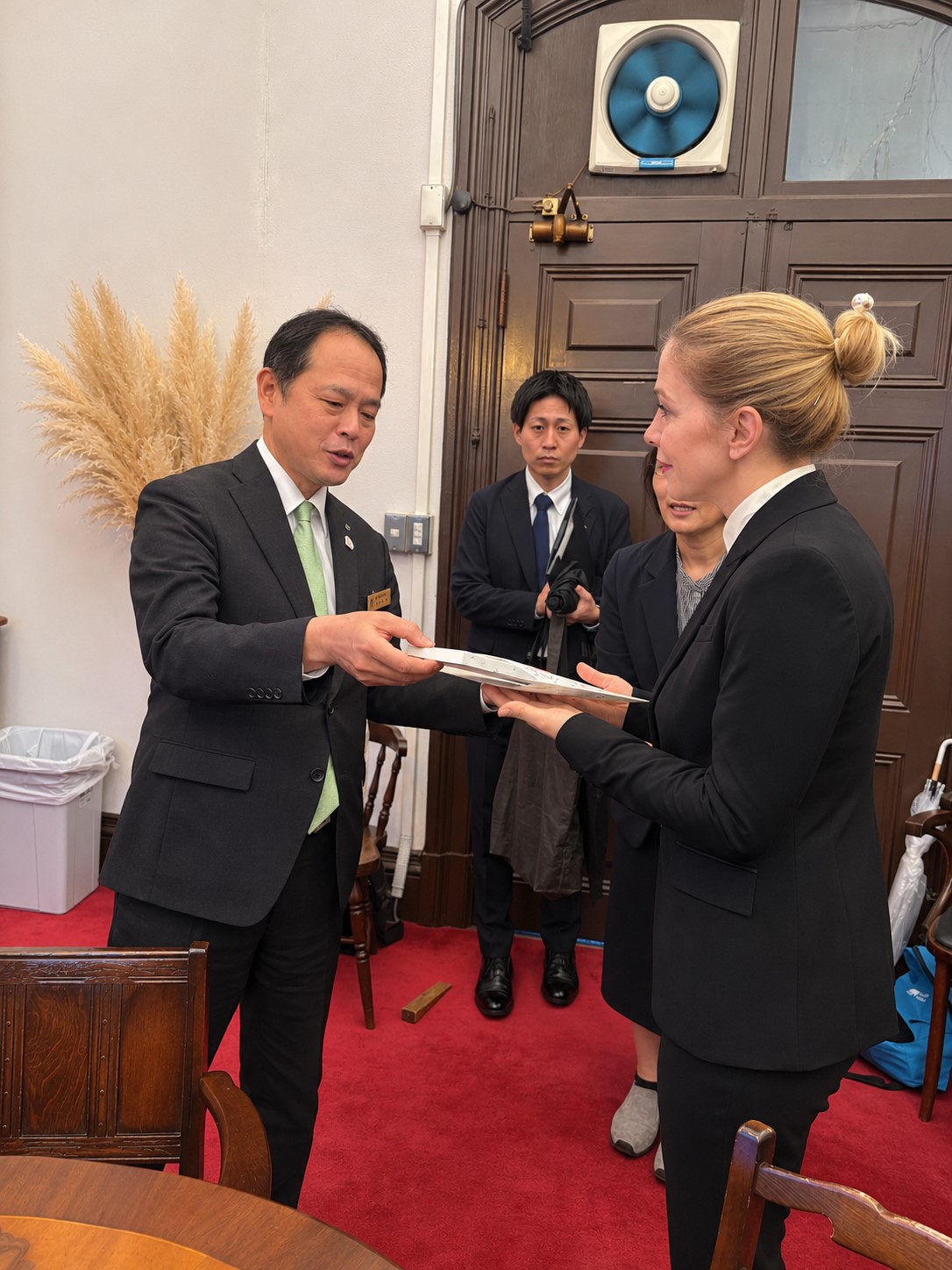 The study visit concluded with a meeting with Kyoto Prefecture Vice Governor Kazuya Suzuki at the Kyoto Prefectural Government Headquarters, where representatives of European regions presented the key findings of the visit and outlined opportunities for future cooperation. Particular emphasis was placed on exploring possibilities for joint research and innovation activities under the Horizon Europe programme.
The visit demonstrated how direct exchanges between regional development agencies, researchers and businesses can help translate shared interests into concrete partnerships. The next IURC study visit, scheduled for 30 November to 4 December 2026 in Paris, will provide an opportunity to follow up on the contacts established in Kyoto and further develop joint initiatives.