From Cooperative Models to Hemp Construction: IURC Partners Turn Study Visit into Concrete Cooperation
Following the first two days of the study visit, during which partners explored good practices in rural development, local food systems, agricultural diversification and regional innovation, the delegation continued its programme with a stronger focus on cooperative models, research, new value chains and practical applications of innovation.
The final three days connected agricultural practice with university research, entrepreneurship, regional development and sustainable construction. The study visit concluded with a working session in Ljubljana, where the partners translated the ideas and contacts developed during the week into concrete opportunities for future international cooperation.
Cooperative models and farm diversification in practice
The third day focused on cooperative ownership models and their role in local food systems and rural development.
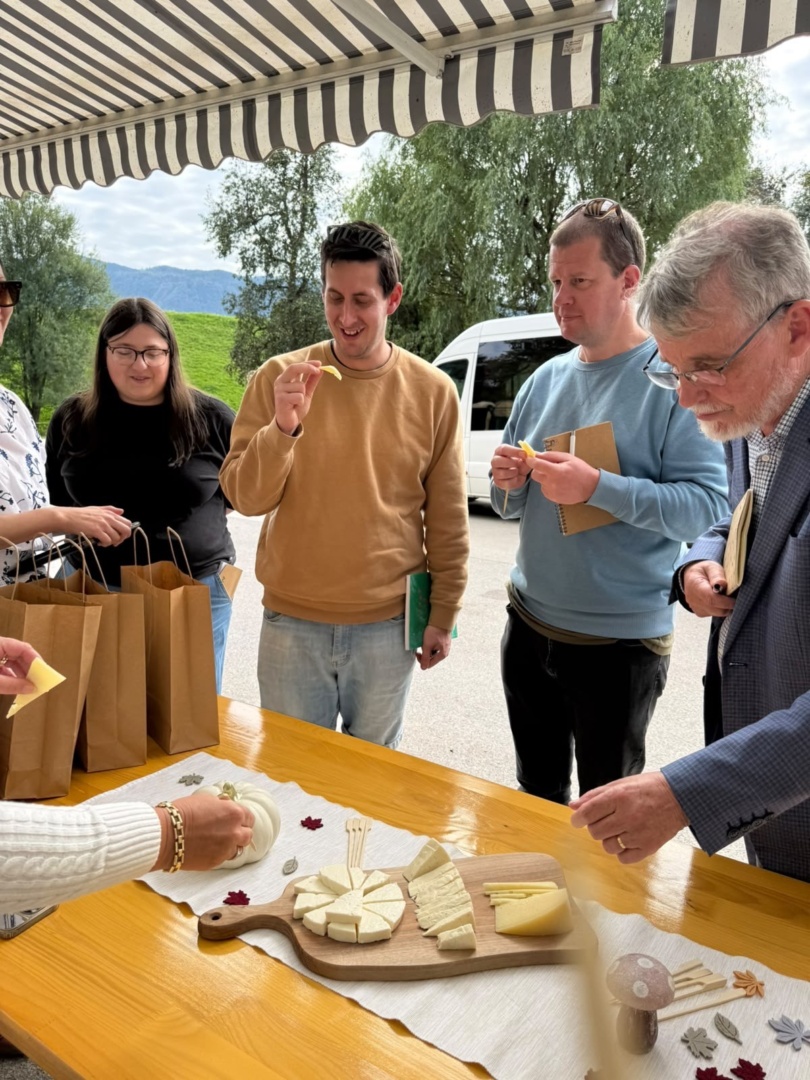
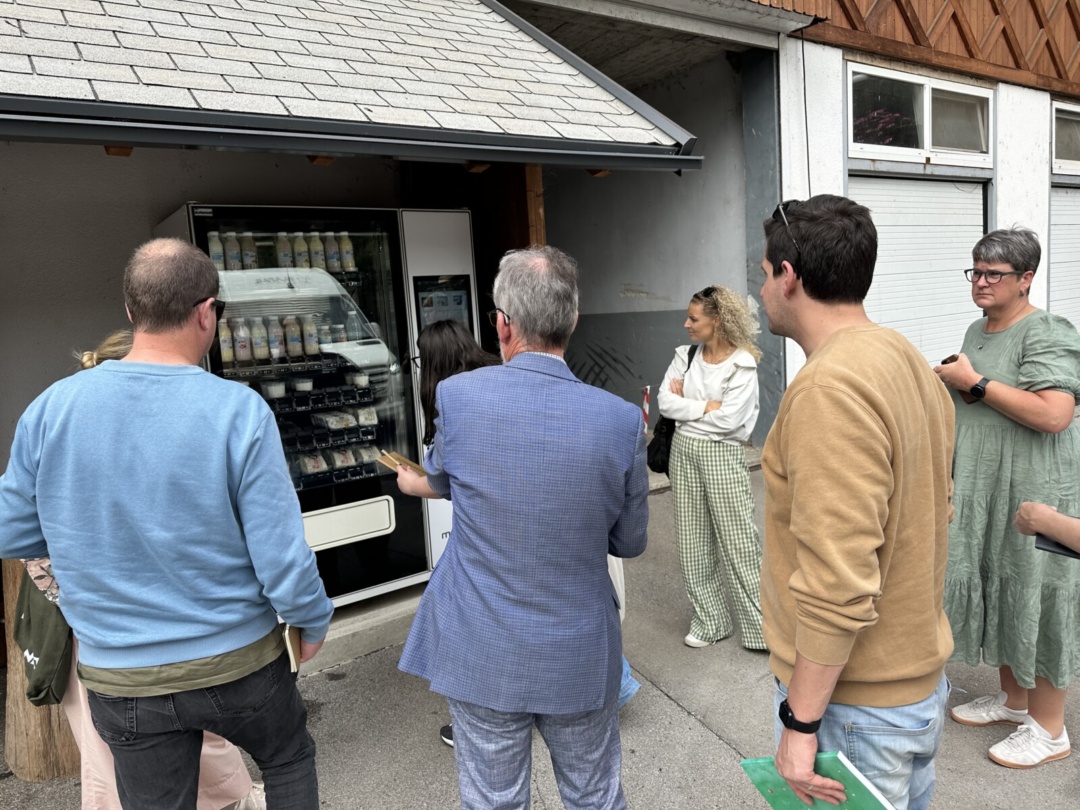
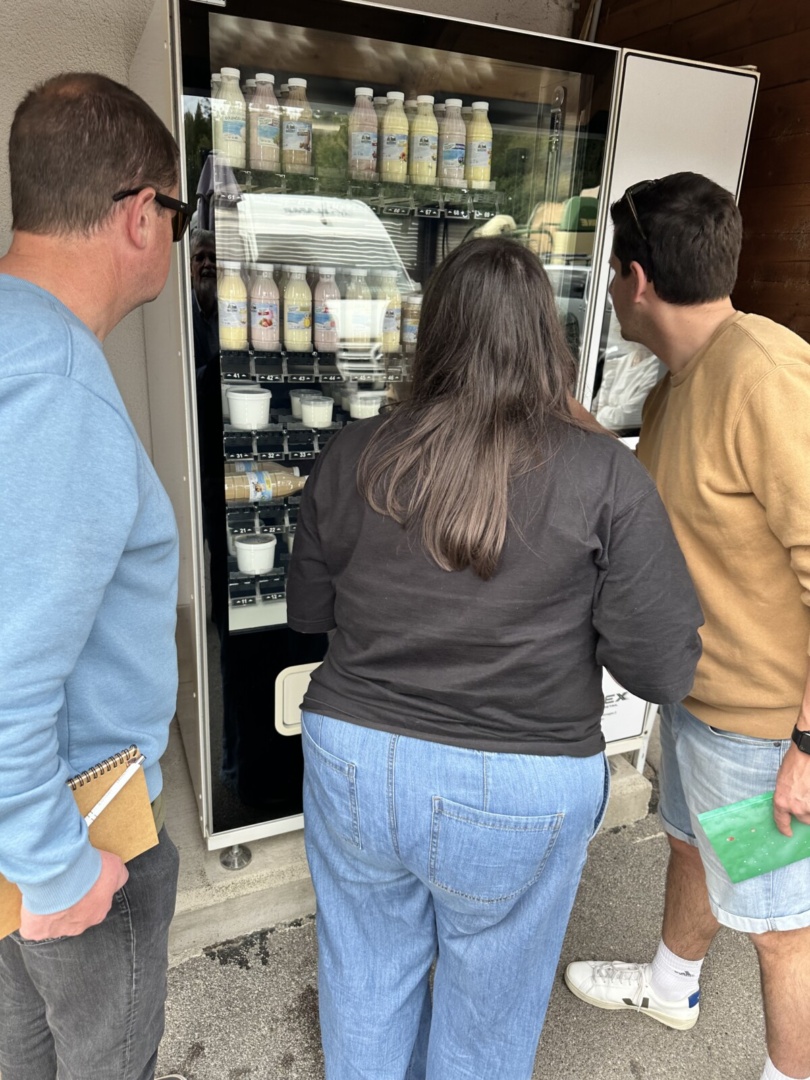
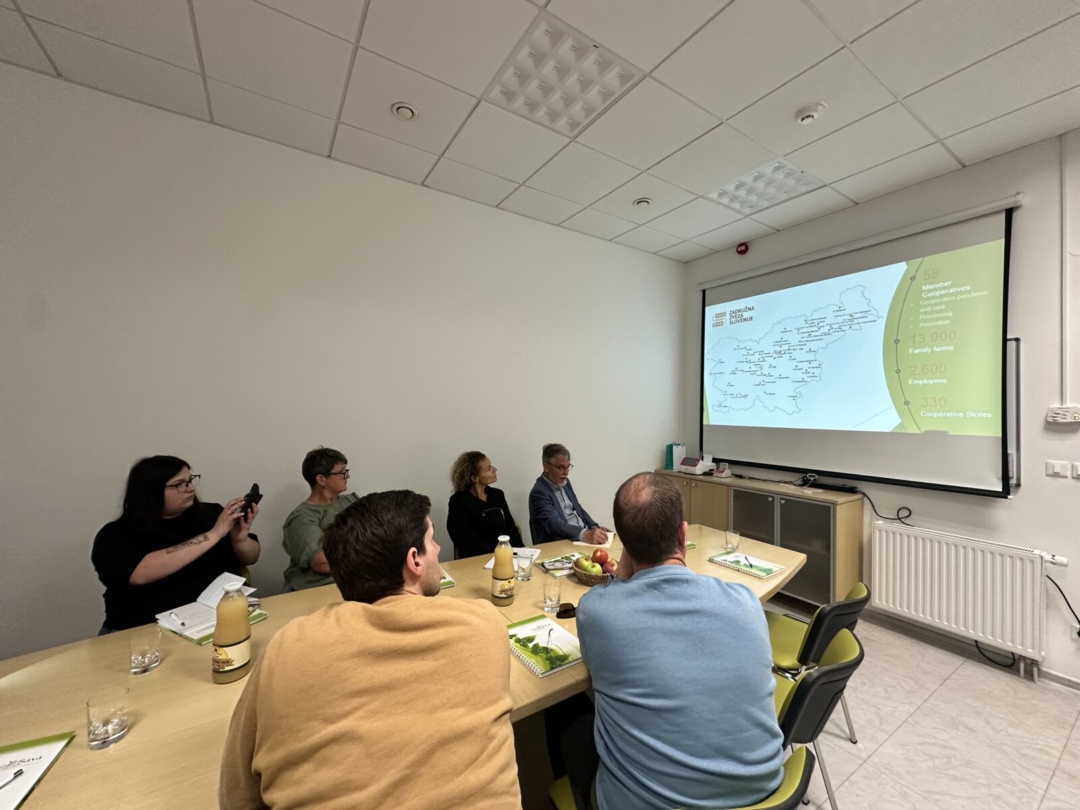
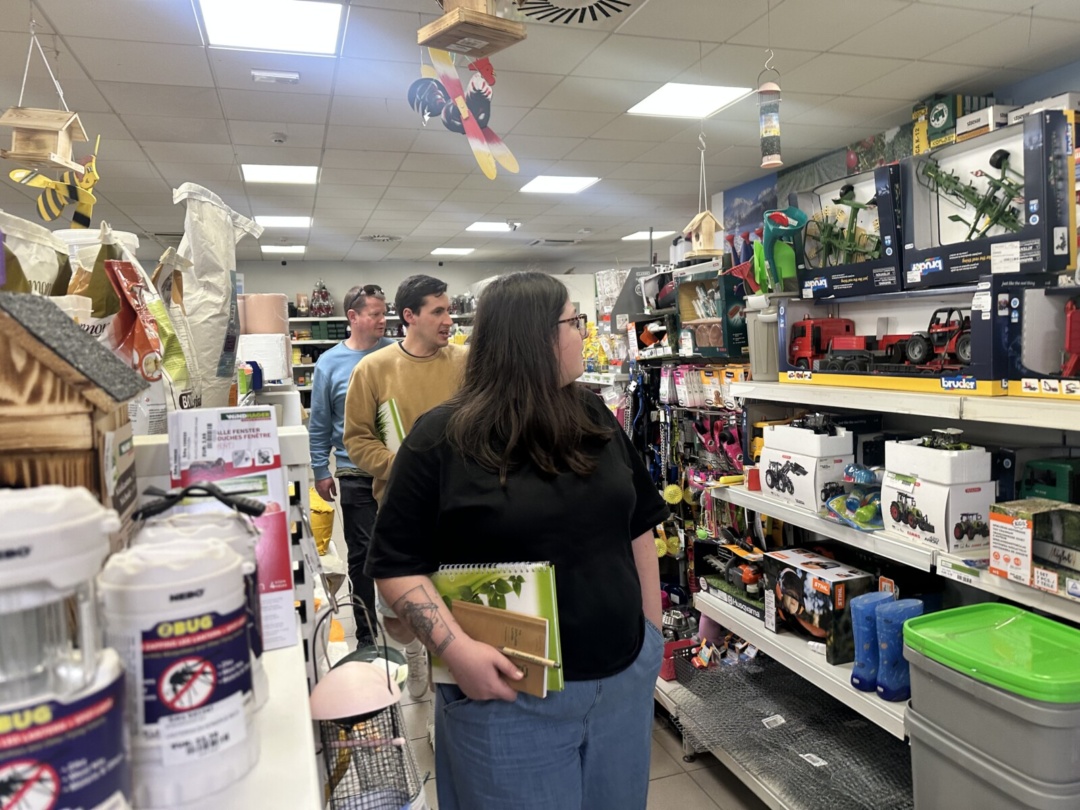
The delegation visited the Sava Lesce Agricultural and Forestry Cooperative, where participants learned how a farmer-owned cooperative can bring together milk production and collection, livestock breeding, apple production, agricultural retail services and advisory support. The visit provided an insight into how cooperative structures can strengthen individual farms by offering shared services, market access and professional support.
The programme then continued at Farm Dolenc near Radovljica, where participants explored the perspective of a young farmer developing a dairy farm through diversification, investment and local value creation. The visit illustrated how individual farms can strengthen their economic resilience by combining primary agricultural production with new activities, products and development approaches.
Together, the two visits offered complementary perspectives on rural development: one based on collective organisation and shared infrastructure, the other on entrepreneurial decision-making and diversification at farm level.
Future-proofing farms through research, knowledge transfer and diversification
The fourth day shifted the focus towards research, innovation and the development of new agricultural value chains.
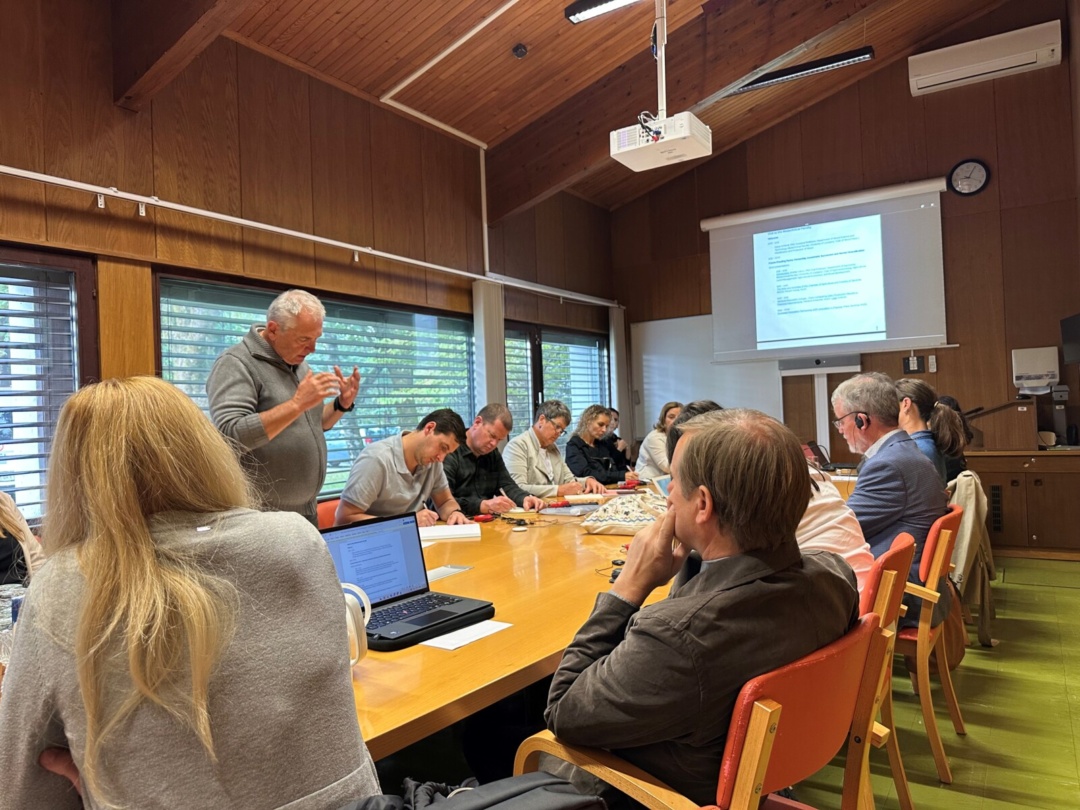
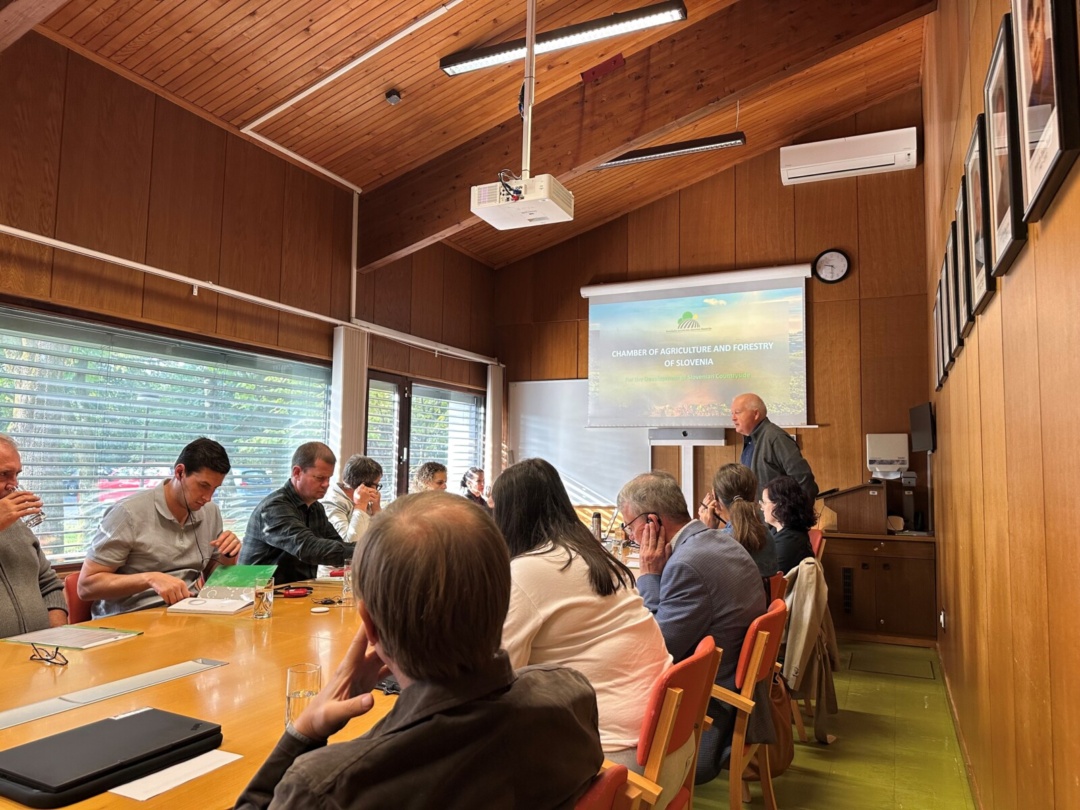
At the Biotechnical Faculty of the University of Ljubljana, the programme opened with the session Future-Proofing Farms: Ownership, Investment, Succession and Market Diversification, introduced by prof. Andrej Udovč from the Department of Agronomy.
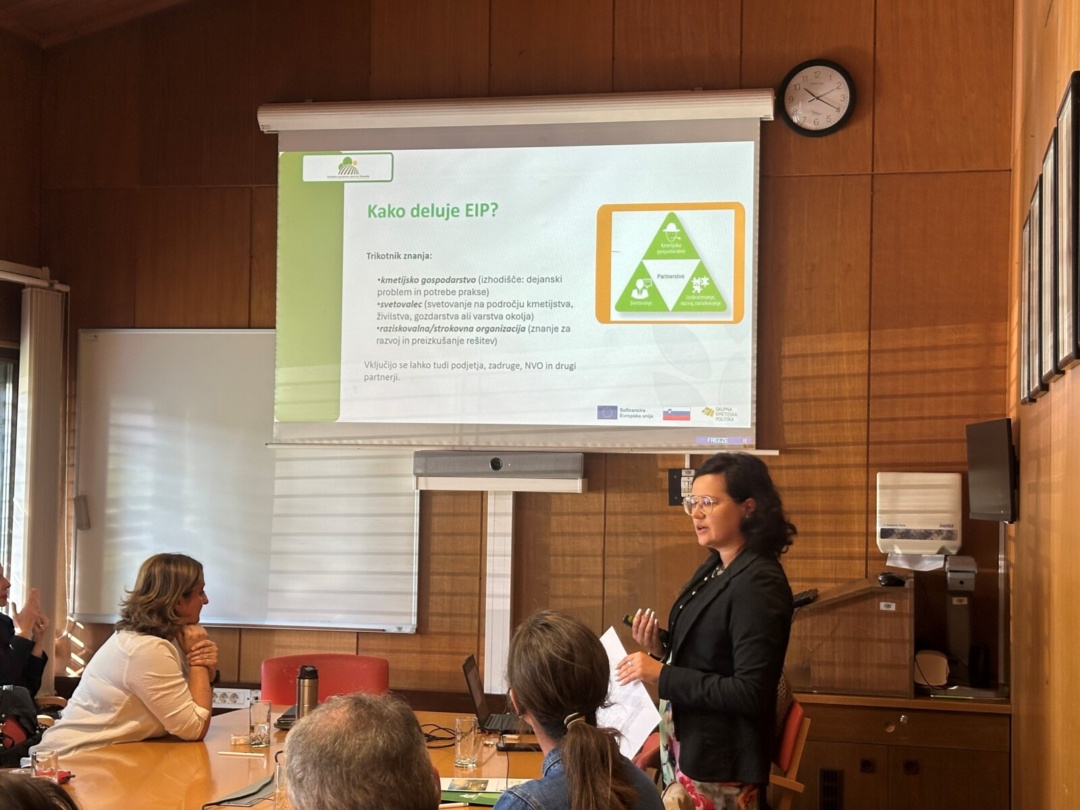
The session addressed some of the most important structural challenges facing agriculture today: farm succession, investment, ownership models, competitiveness and the need to diversify farm activities and markets. Contributions from the Chamber of Agriculture and Forestry of Slovenia (KGZS) further highlighted the role of advisory services, sectoral cooperation and innovation partnerships in supporting farmers and translating knowledge into practical improvements. Robert Peklaj presented the role and activities of KGZS, Marjana Avberšek from the KGZS Celje Institute illustrated how sectoral discussion groups and the comparison of dairy production results can lead to practical improvements at farm level, while Klara Otoničar presented the European Innovation Partnership (EIP) as a mechanism for bringing research, advisory services and farmers together and supporting the practical uptake of innovation in agriculture.
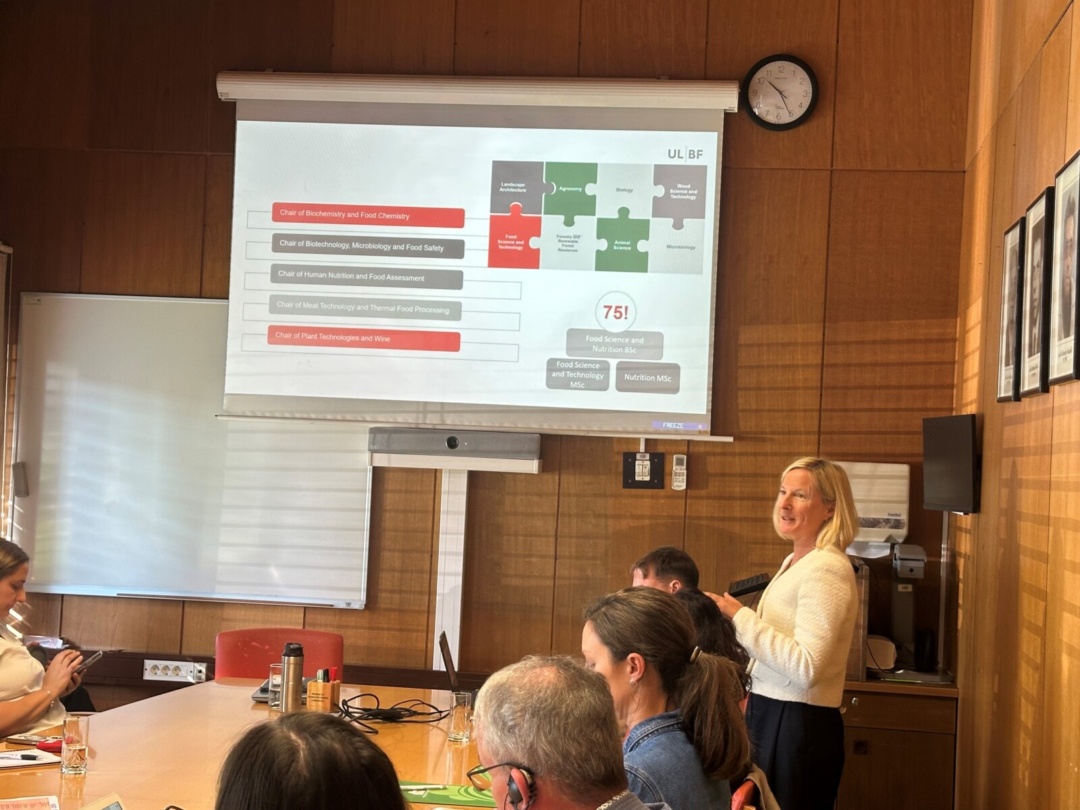
The research dimension of the programme continued with prof. Mojca Korošec, who presented research activities of the Department of Food Science and Technology, followed by prof. Kajetan Trošt, who presented the ERA Chair – Foodomics project. The project focuses on strengthening research excellence in foodomics by combining advanced analytical approaches to better understand food composition, quality and its links with health, while also expanding international scientific cooperation.
The morning concluded with a visit to the industrial hemp demonstration site and the Biotechnical Faculty test field, led by prof. Davor Kržišnik, together with Primož Zorec, CEO of CoGreen, and ShivaKumar Mani from ZAG – Slovenian National Building and Civil Engineering Institute. The visit provided a practical introduction to the potential of industrial hemp as a renewable raw material and a basis for new agricultural and industrial value chains.
From agricultural crop to sustainable construction
The industrial hemp theme continued later in the day, moving from research and demonstration into practical application.
After a visit to Lipica, where participants explored animal breeding, the preservation of agricultural and cultural heritage and the role of rural heritage in local value chains, the delegation travelled to Piran.
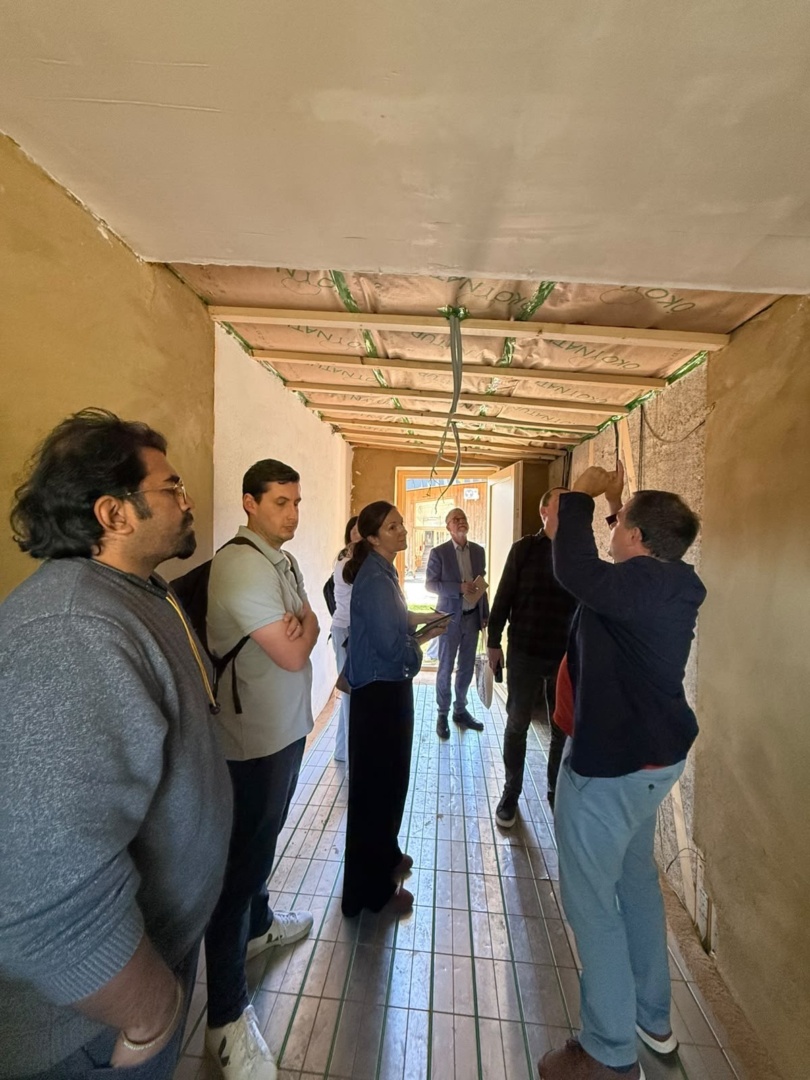
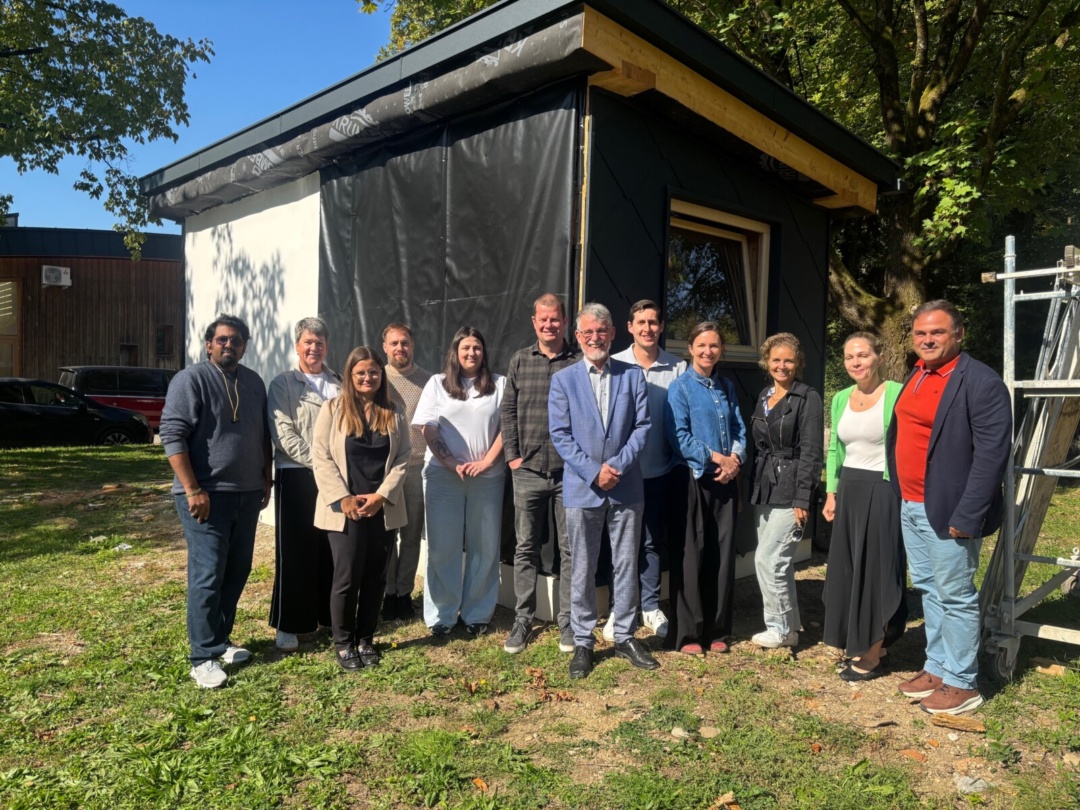
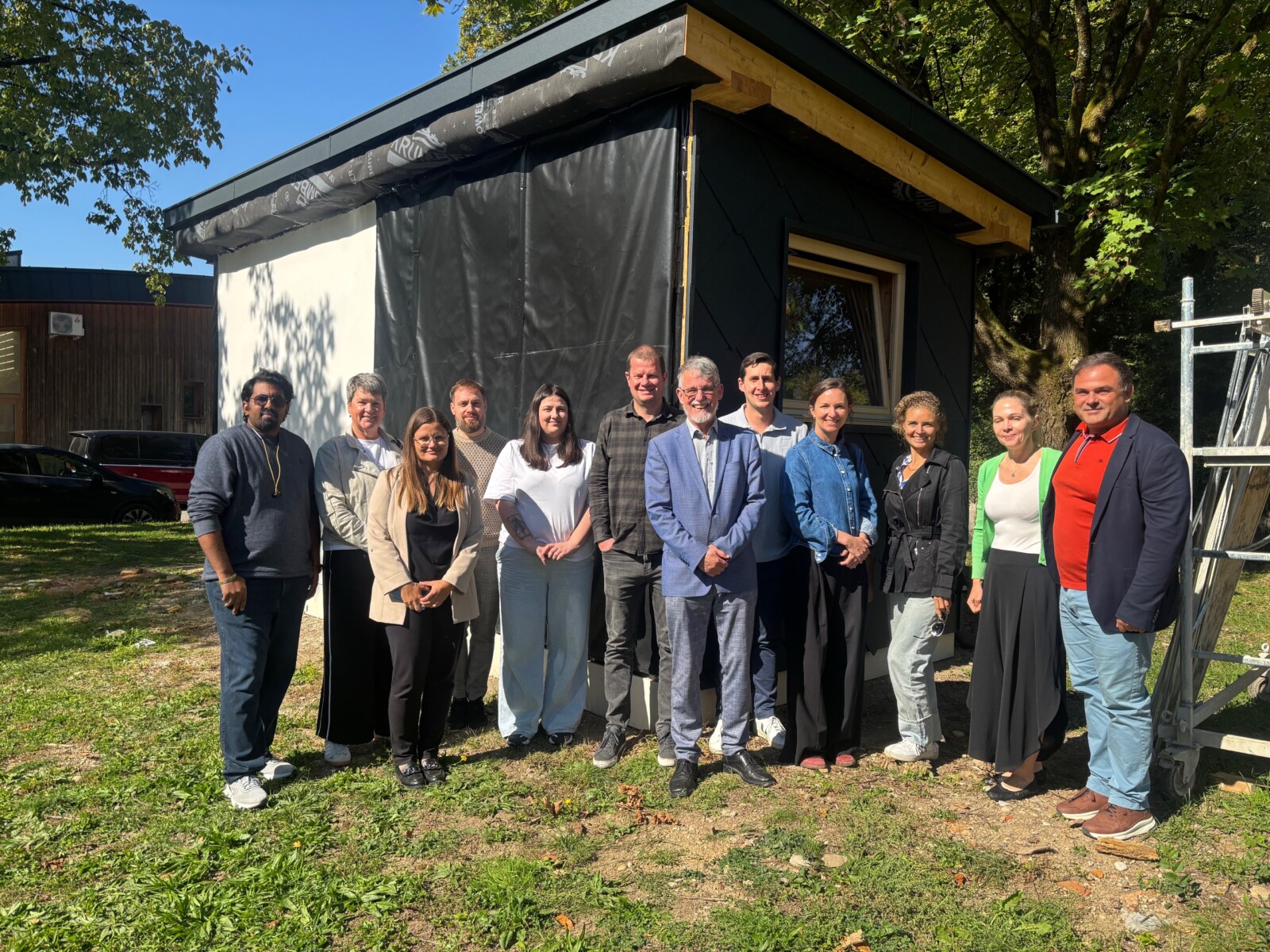
There, participants visited a construction site showcasing the use of industrial hemp in sustainable building. The example demonstrated how an agricultural crop can move beyond primary production and become part of a wider circular value chain linking farmers, researchers, material developers and the construction sector.
For the participating regions, industrial hemp therefore emerged as a particularly relevant example of diversification: a crop with potential applications in agriculture, bio-based materials, construction and the circular bioeconomy.
From exchange of experience to concrete cooperation
On the final day, the ideas generated during the study visit were translated into concrete follow-up activities. The partners reviewed opportunities for academic cooperation, Erasmus+, Horizon Europe, research matchmaking and the further implementation of the Regional Cooperation Action Plan, and agreed on responsibilities and next steps.
A concrete pathway was agreed for strengthening Erasmus+ cooperation between the Biotechnical Faculty of the University of Ljubljana and Massey University, including the identification of interested professors and a future thematic online matchmaking meeting.
Under Horizon Europe, the partners identified several promising directions for future cooperation. These include water management, where expertise from Slovenia, Denmark and New Zealand will be further connected, and industrial hemp in construction, involving Venture Taranaki, ZAG and CoGreen. A further opportunity for international cooperation in agriculture will be explored with suitable New Zealand partners.
The visit also opened new opportunities for research matchmaking, including possible cooperation between the Geological Survey of Slovenia and relevant New Zealand institutions.
Another important outcome was the intention to develop a pilot project providing a proof of concept for the Agrifood Opportunity Assessment Framework and Validation Scorecard developed under Activity 2. The tool helps regions assess whether agrifood opportunities are ready to progress by examining factors such as market demand, feasibility, value-chain structure, governance, capability, commercialisation and investment readiness. The pilot will test the tool in different regional contexts and explore its transferability, digitalisation and wider use.
The five-day study visit therefore concluded with a clear shift from exchange of experience towards joint activities, research links, pilot actions and future project proposals, ensuring that the cooperation developed during the week can continue through concrete international initiatives.
The article is also featured on the IURC website under News from Asia & Australasia and Regional Cluster Agri-food & Forestry. Read it here!