Effective circular economy policies must be rooted in practice
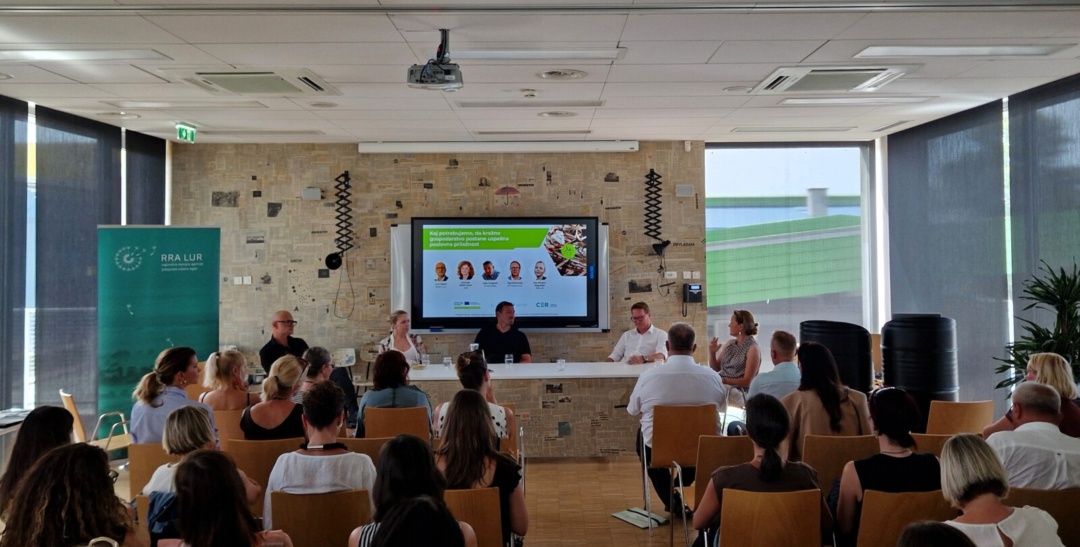
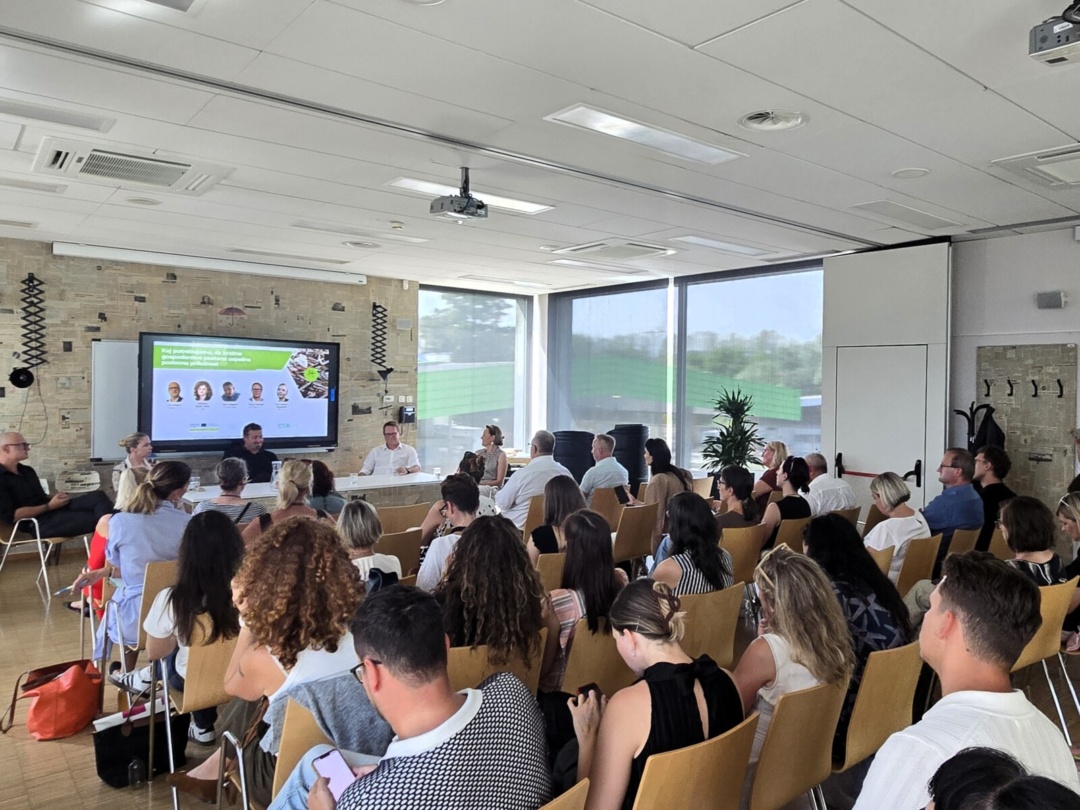
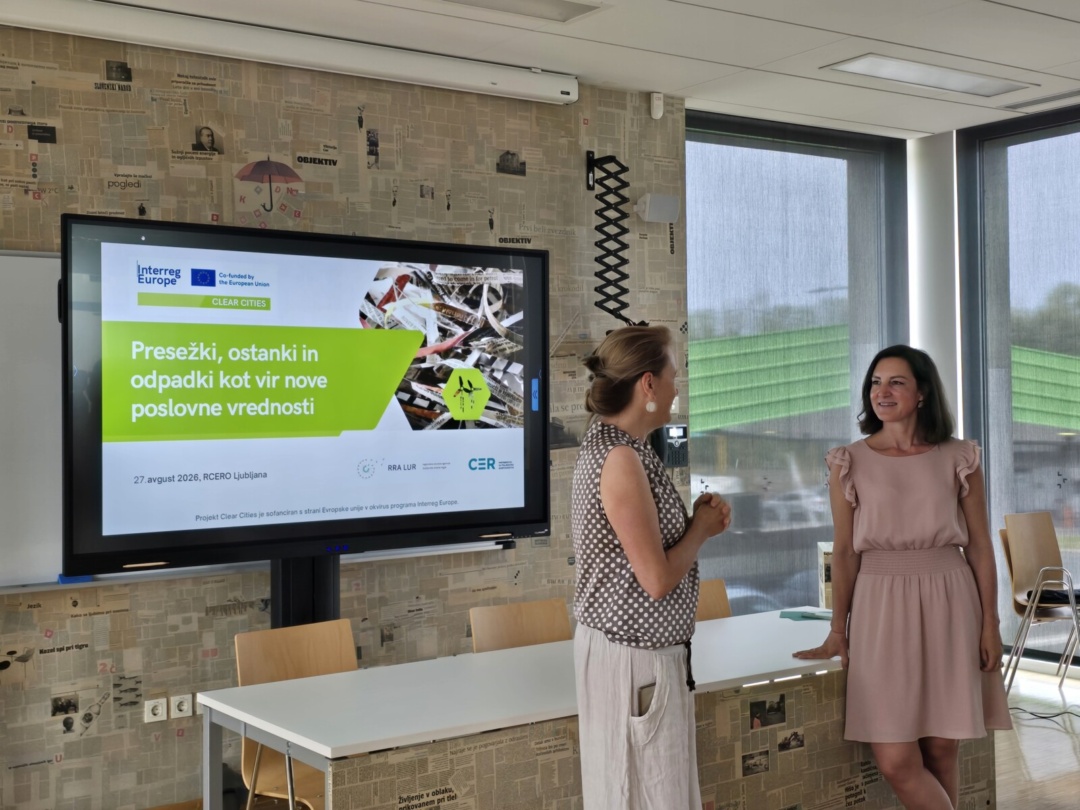
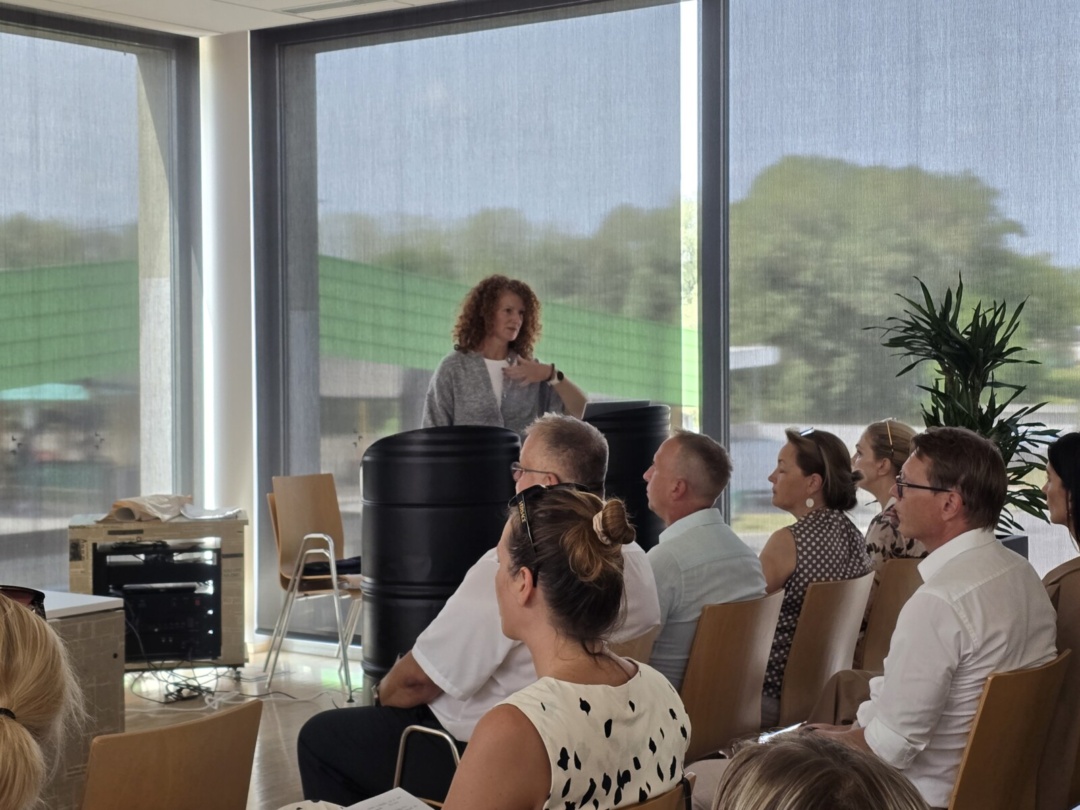
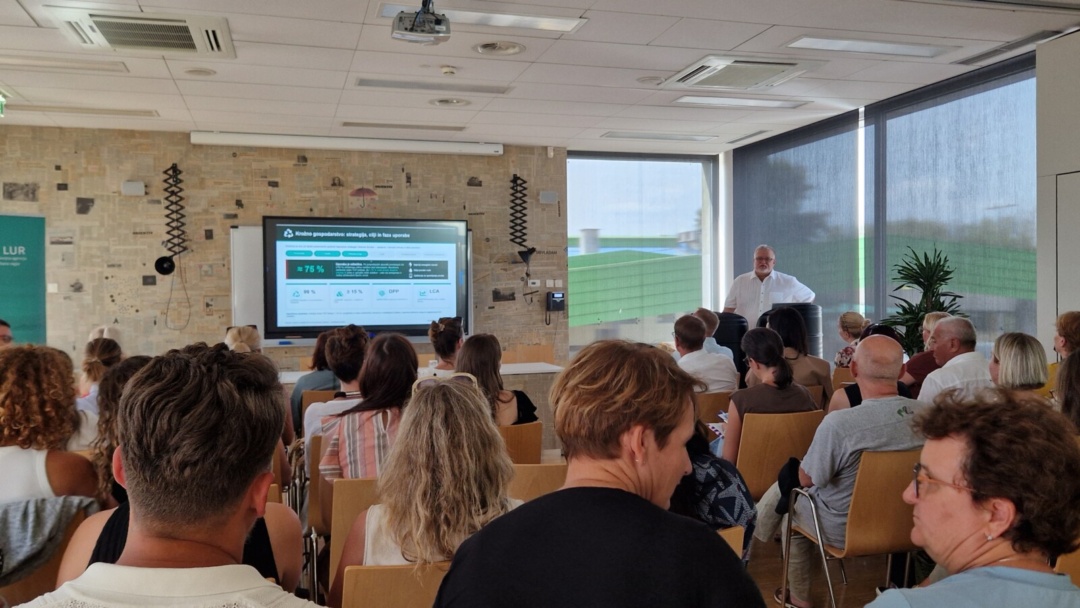
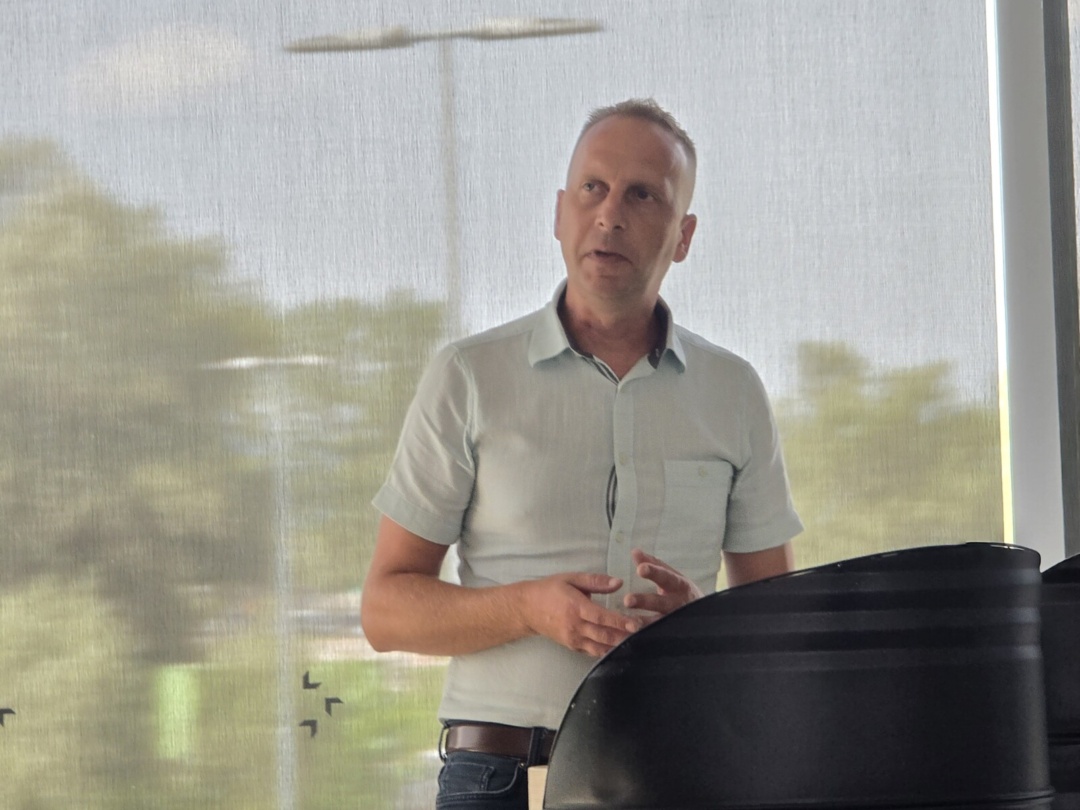
How can policies be designed to enable more efficient resource management and accelerate the development of circular solutions? This was the central question of the expert event “From Waste Management to Resource Management: Directions for Future Regional Policy”, held on 27 August at Ljubljana Regional Waste Management Centre and organised by the Regional Development Agency of the Ljubljana Urban Region (RRA LUR) within the Clear Cities project (Interreg Europe), with the support of CER – Partnership for a Sustainable Economy. The discussion among representatives of companies, the public sector, the support environment and experts showed that individual good practices alone are not enough to accelerate the transition. A supportive environment is needed to enable their wider uptake – through better knowledge of material flows, more appropriate conditions for material reuse, stronger stakeholder cooperation, and measures that make circular solutions more attractive from a business perspective.
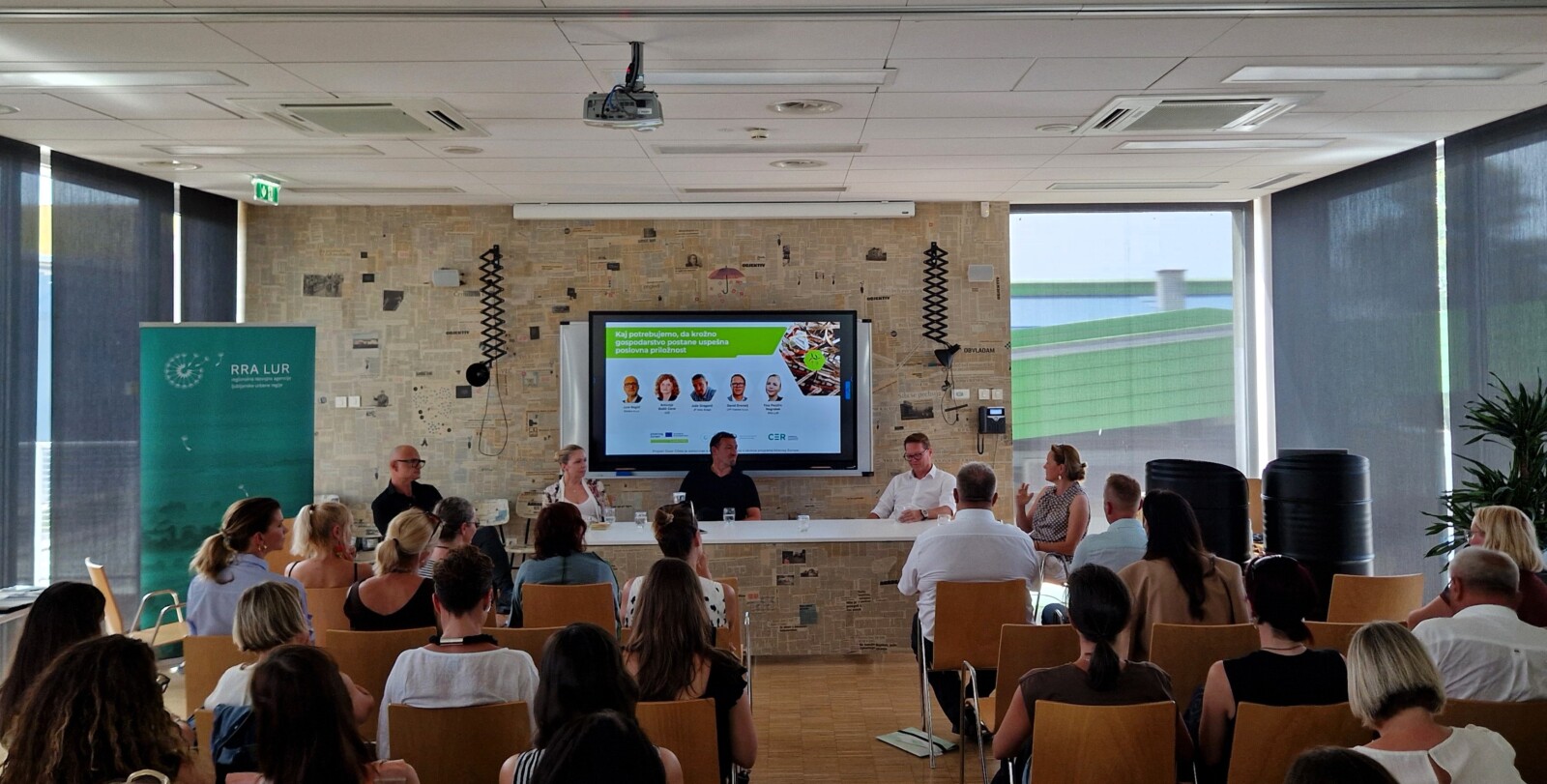
Good policies start with practice
The starting point of the event was that circular economy policies should be based on the concrete experiences of companies and organisations seeking to reduce resource consumption, keep materials in use for longer, or return them to production processes.
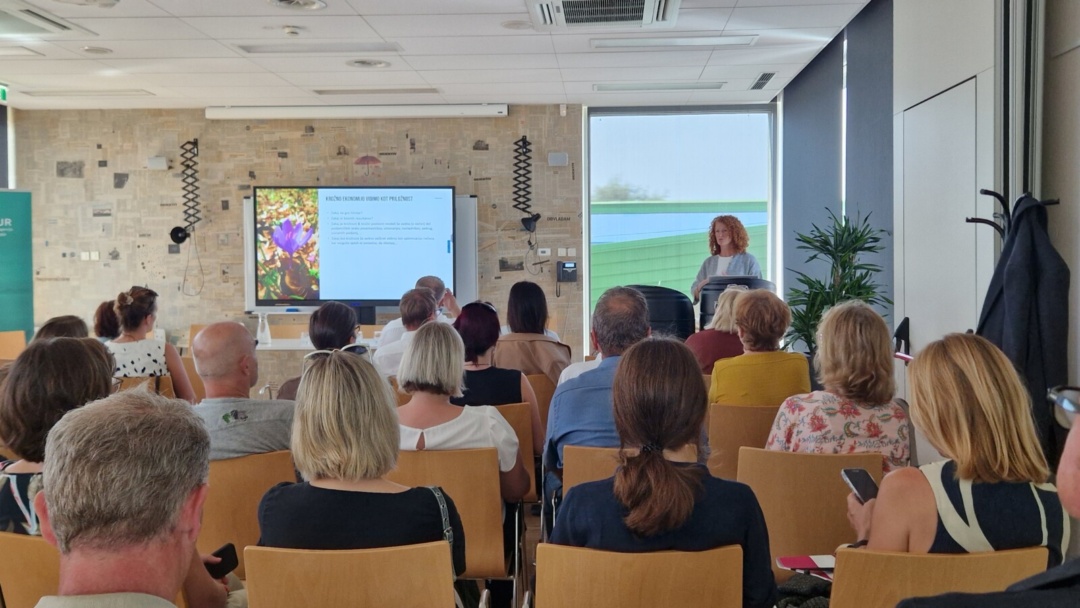
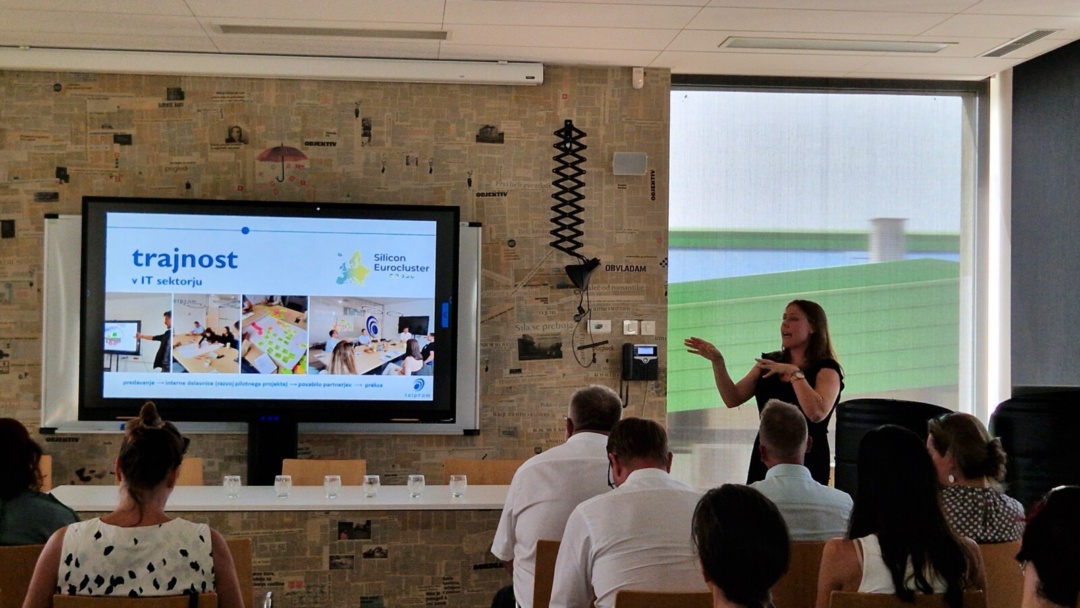
Mojca Markizeti of Understory highlighted that the business benefits of circular solutions are not reflected only in new revenues. They can also include lower material and energy consumption, fewer transport needs, longer product lifetimes, reduced dependence on supply chains, and greater business resilience. Circularity should therefore move beyond being primarily perceived as an environmental obligation and become part of standard business logic and a matter of productivity, resilience and competitiveness. This is also an important starting point for policy design: the support environment should enable companies to test, assess and implement good ideas more quickly.
Systemic solutions require a better understanding of material flows
Another important conclusion of the discussion was that Slovenia and its regions need a better overview of their material flows.
Tina Pezdirc Nograšek of RRA LUR pointed out that platforms for the exchange of secondary raw materials alone do not create industrial symbiosis.
“First, companies, institutions and experts need to be connected, trust needs to be built, and concrete material flows need to be understood – what type of material is involved, what its composition and quality are, in what quantities it is generated, and who could use it as a new resource. Only then can data infrastructure deliver real business value.”
For future regional policy, the key question is therefore how to move from fragmented information towards a functioning system that enables the identification of material flows and the development of new local circular value chains.
Jure Naglič of Ekstera also emphasised the importance of bringing together different types of knowledge and stakeholders. Concrete solutions are more likely to emerge when companies facing real material challenges are connected with development partners and the appropriate technologies.
From waste management to resource management
The discussion also showed that the circular economy should not begin only once a material becomes waste.
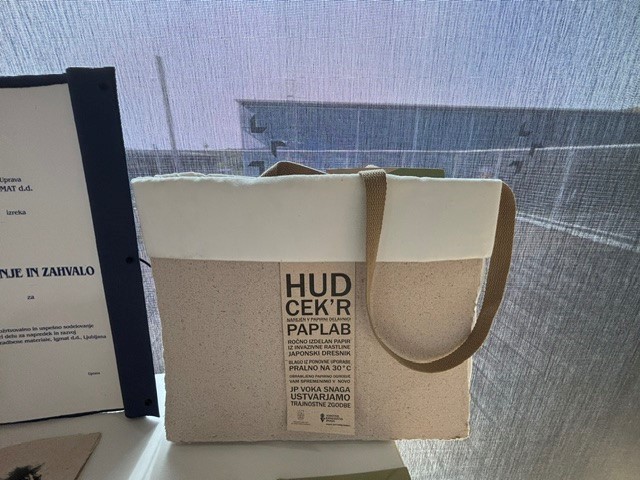
Jože Gregorič of JP VOKA SNAGA stressed that separate waste collection alone does not close the loop if there is no next step for the collected material. Circularity begins much earlier – with product design, repairability, opportunities for reuse, extending product lifetimes, and the choice and combination of materials. This calls for a broader policy shift – from a focus on waste management towards managing resources throughout the entire life cycle of products and materials.
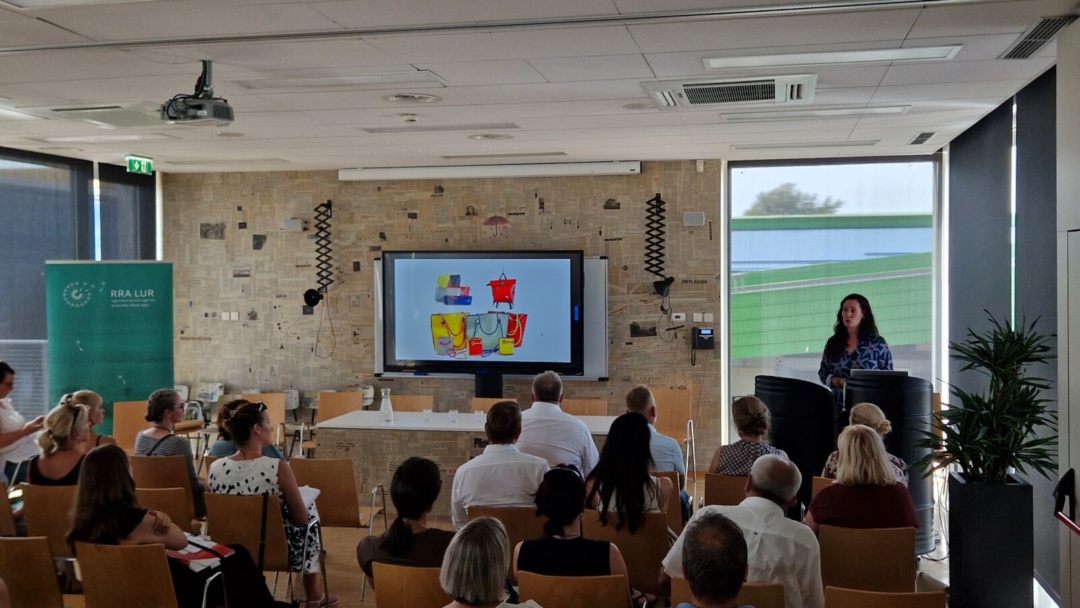
Market conditions also matter. David Dremelj of LPP Fashion pointed out that companies develop their business models within a wider market environment shaped by demand and consumer behaviour. Accelerating the transition therefore requires not only changes on the supply side, but also conditions in which circular solutions can compete successfully in the market.
From individual solutions to systemic change
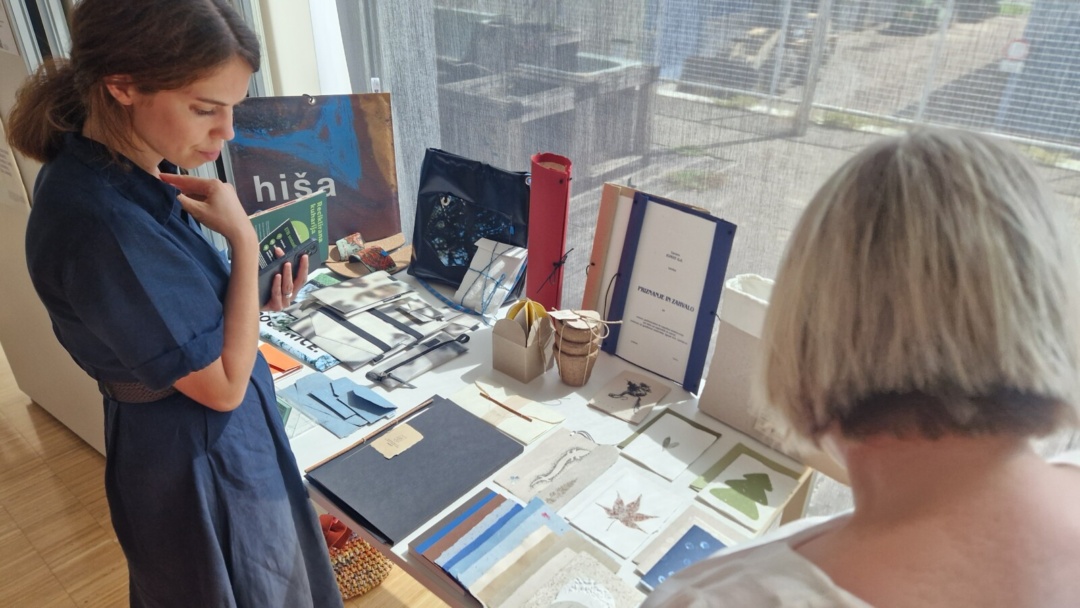
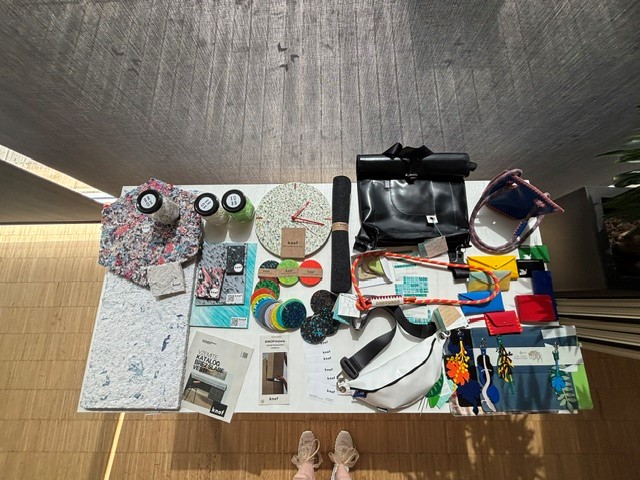
The practices presented at the event demonstrated that companies and organisations are already developing different approaches to extending product lifetimes, reusing materials, refurbishing components, and developing new products from secondary raw materials.
The key policy question is therefore no longer simply whether circular solutions are possible, but how to create the conditions for them to move beyond individual projects and companies and become part of mainstream economic activity.
The discussion highlighted in particular the need for:
- better knowledge of material flows at company, regional and national level;
- clear and workable conditions for material reuse and for returning materials into economic circulation;
- active cooperation between companies, research institutions, the public sector and solution providers;
- a support environment that enables testing and faster implementation of solutions;
- economic and market conditions that make retaining materials in the economy more competitive than discarding them and
- a shift from waste management towards comprehensive resource management.
Translating lessons from practice into regional policy is one of the central objectives of the Clear Cities project. Together with regional stakeholders, RRA LUR aims to identify changes in the support environment and development policies that can help the Ljubljana Urban Region close material loops more effectively and develop new local circular value chains.
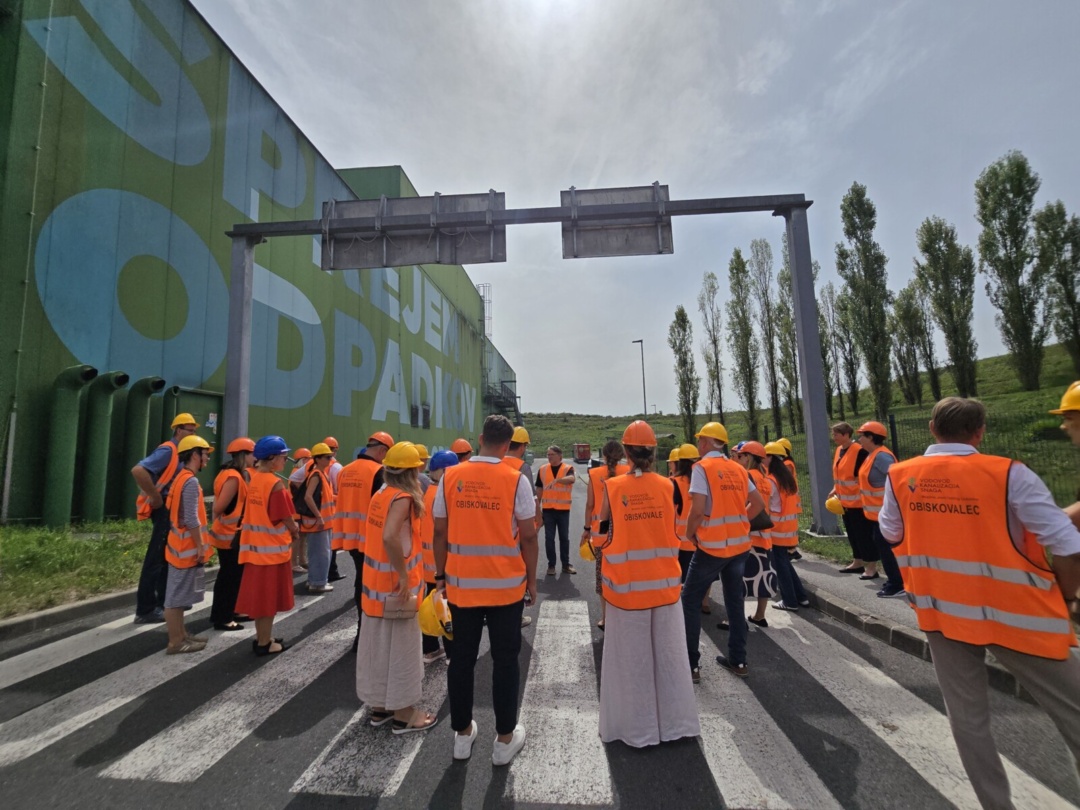
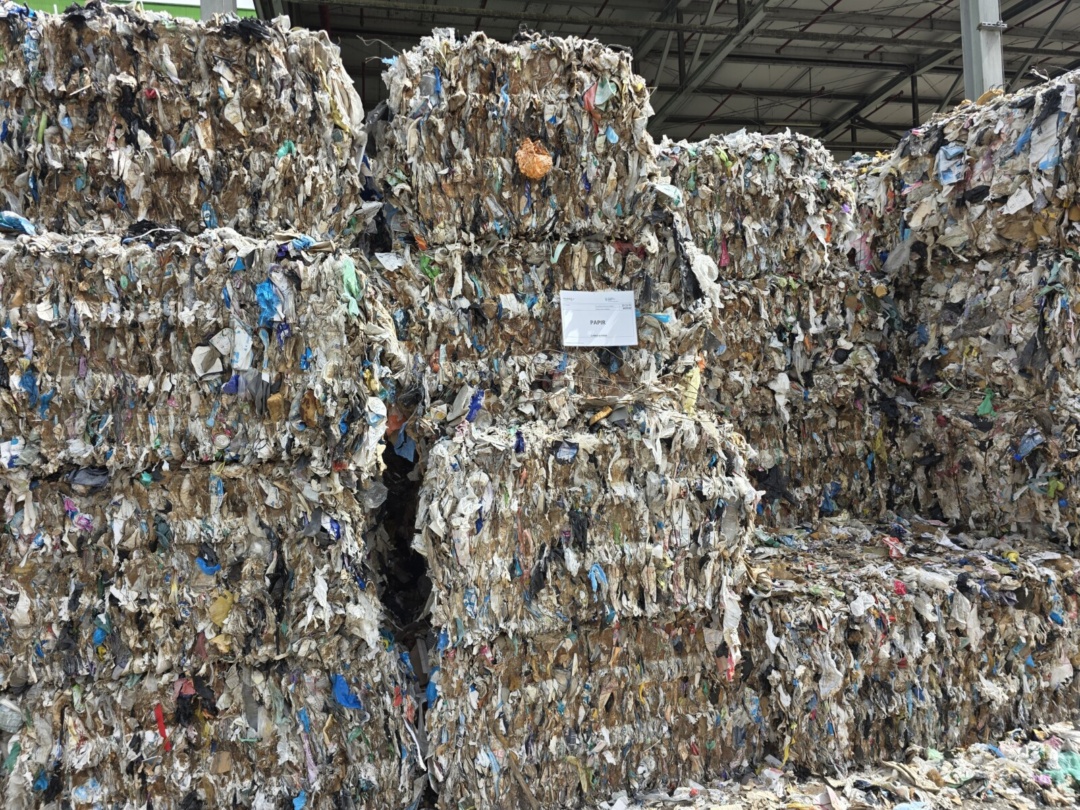
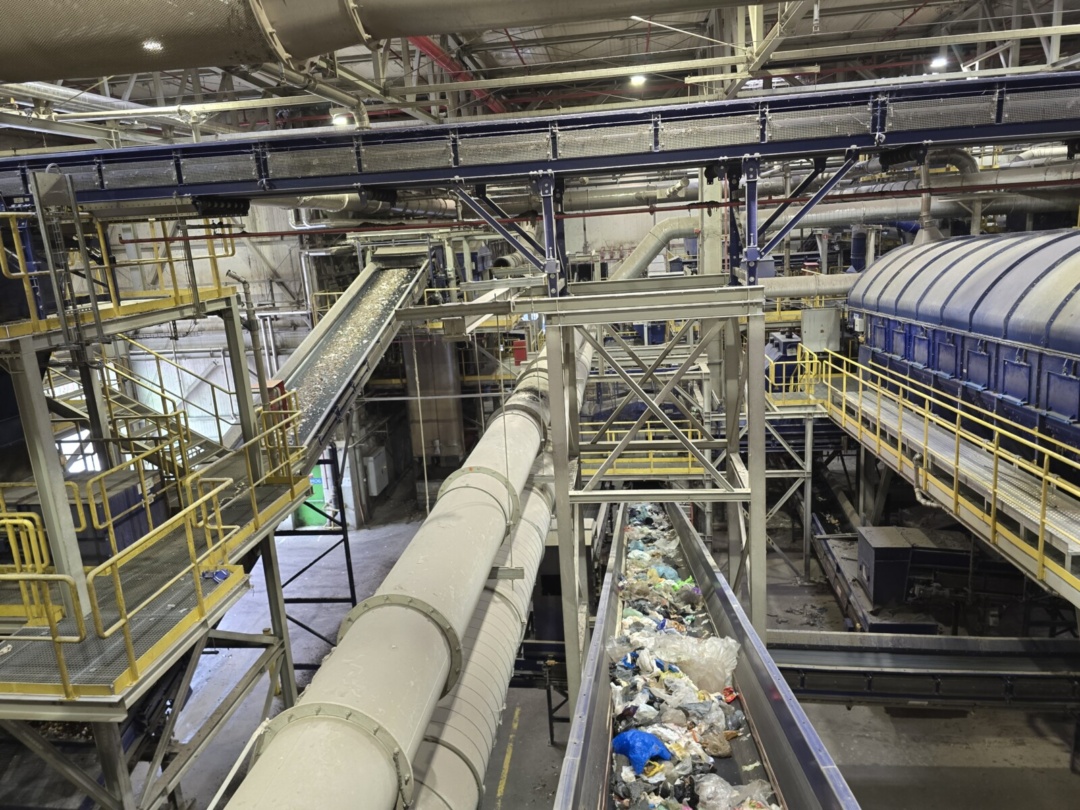
As part of the event, participants also visited RCERO Ljubljana, where they gained direct insight into waste management processes and the challenges associated with returning materials into resource cycles.
The Clear Cities project is co-funded by the European Union through the Interreg Europe programme.