BALANCE: Kick-off meeting in Ljubljana
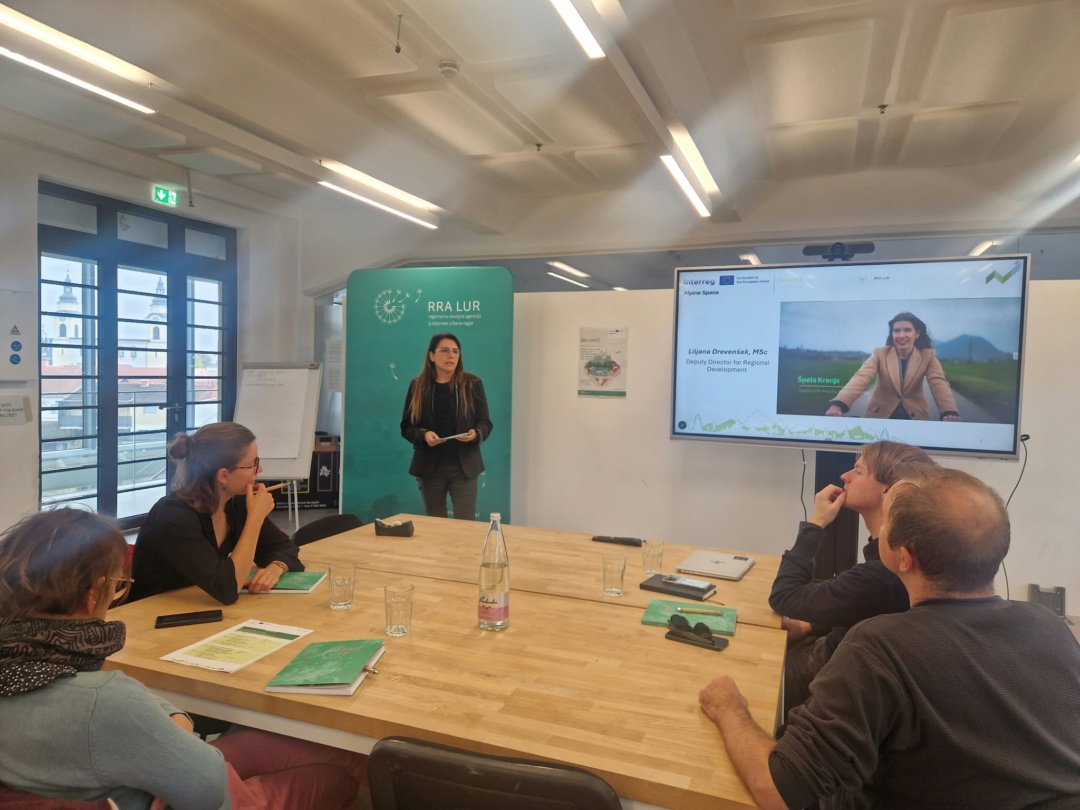
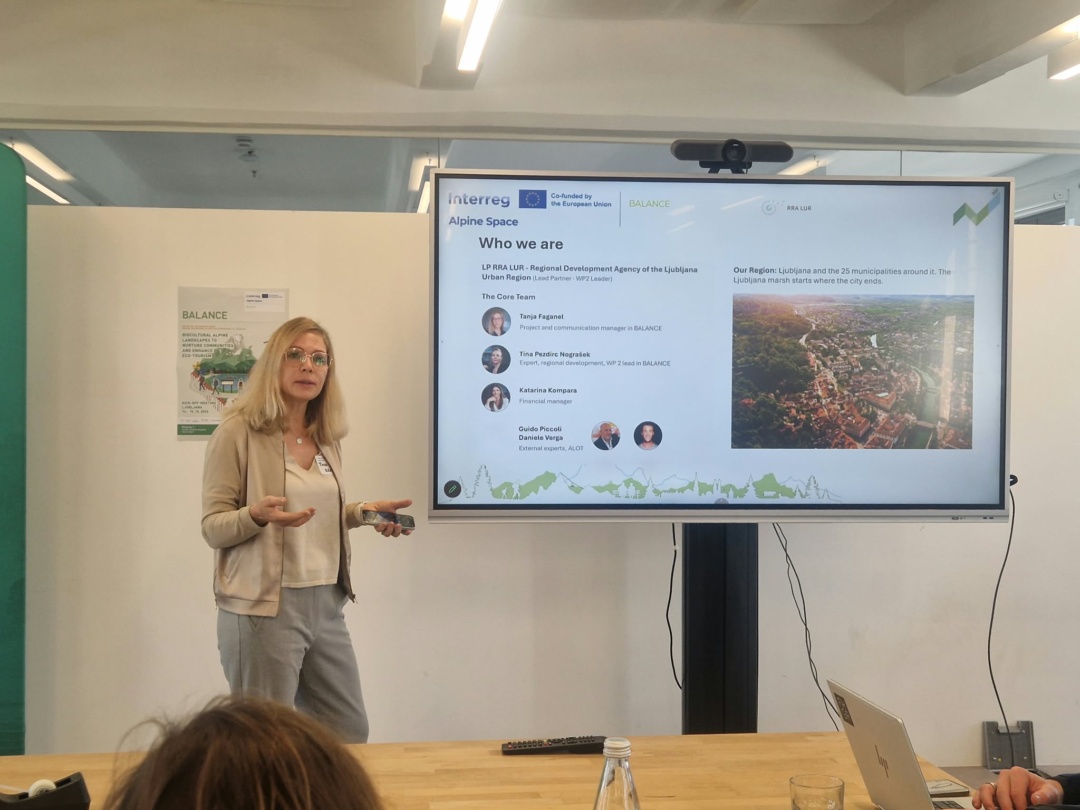
 As Lead Partner, the Regional Development Agency of the Ljubljana Urban Region (RRA LUR) hosted the kick-off meeting of the BALANCE project at Center Rog on 14 and 15 October 2026. The event brought together eleven partners from six Alpine countries who will work together over the next three years to develop a network of biocultural routes across seven pilot areas. These routes will connect natural and cultural heritage while helping to manage visitor flows in ways that respect the landscape.
For RRA LUR, BALANCE offers an opportunity to test solutions in practice and use the results to inform regional development and spatial planning. The local biocultural route will be developed in the Ljubljana Marshes (Ljubljansko barje) and will connect four municipalities. Working with regions facing similar challenges is equally valuable. We will learn from knowledge and tested solutions across the six Alpine countries while sharing our own local experience. The project’s results will also be relevant to the Ministry of Natural Resources and Spatial Planning and the Ministry of Culture, particularly in shaping regional development and spatial planning policies.
Tourism and landscape at a crossroads
BALANCE, co-funded by the Interreg Alpine Space programme, addresses the pressures that tourism places on Alpine landscapes. Two contrasting trends are emerging at the same time: well-known destinations face overcrowding and increasing pressure on sensitive habitats, while more peripheral areas are losing population and economic activity. Both trends put pressure on the landscape, weaken habitat connectivity and threaten local knowledge, crafts and traditions.
BALANCE aims to address these challenges through biocultural routes. These are not hiking trails, nor are they promotional tourist itineraries. They are tools for managing a landscape. Their development takes account of access conditions, seasonal restrictions and visitor carrying capacity, and involves the people who live and work in the area. Each of the seven pilot areas will establish a Community Lab, bringing together residents, local businesses, municipalities, protected area managers, schools and NGOs to help shape the route and monitor its development. Visitor flows will also be managed with the help of a shared digital platform, which will bring together route information, protected area regulations, local services and visitor data.
The Slovenian pilot area is Ljubljansko barje, where visitor pressure affects protected Natura 2000 wetland habitats, alongside a remarkable cultural heritage that includes UNESCO-listed prehistoric pile dwellings and a traditional agricultural landscape. RRA LUR is working with the Ljubljansko barje Landscape Park Public Institute on the project, and the route will be developed together with the municipalities of Ig, Škofljica, Brezovica and Ljubljana.
Objects telling the story of our biocultural heritage and identity
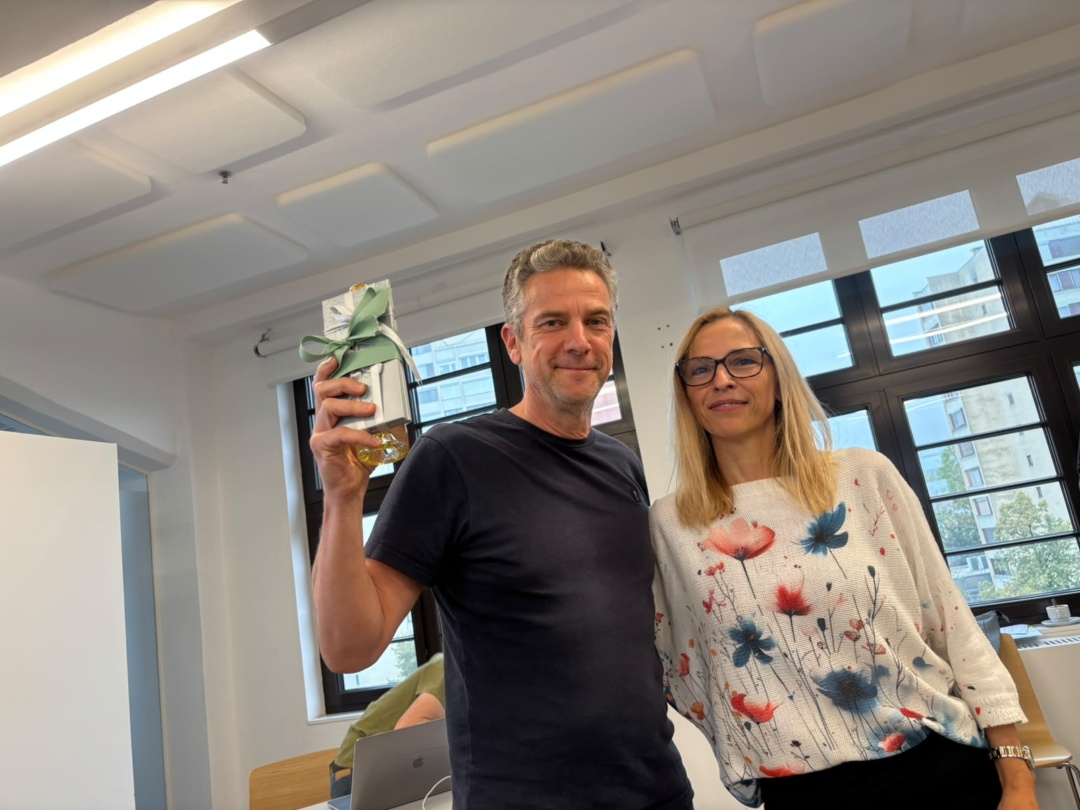
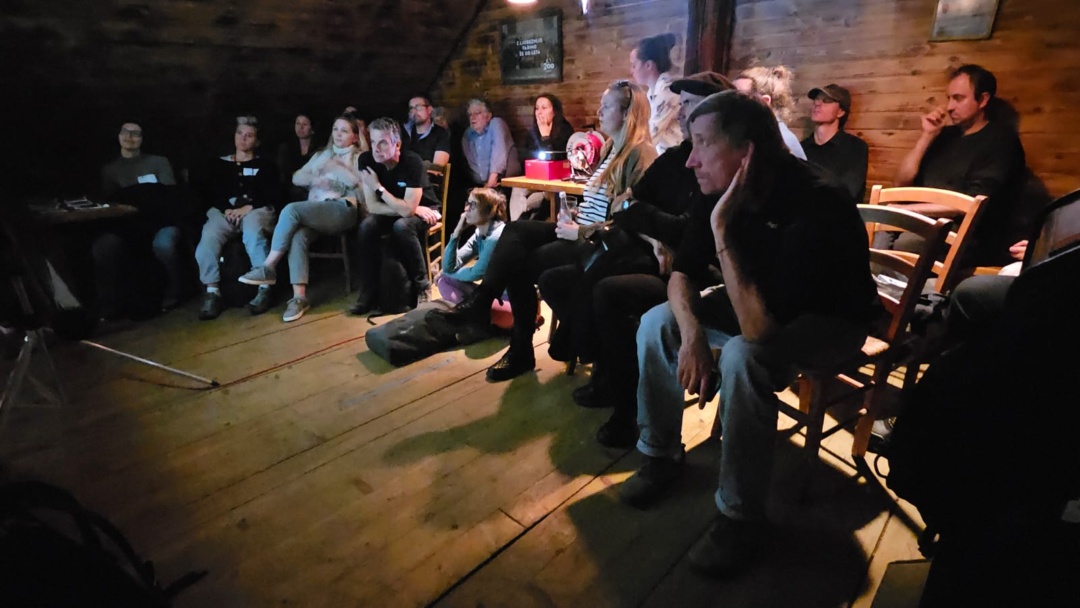
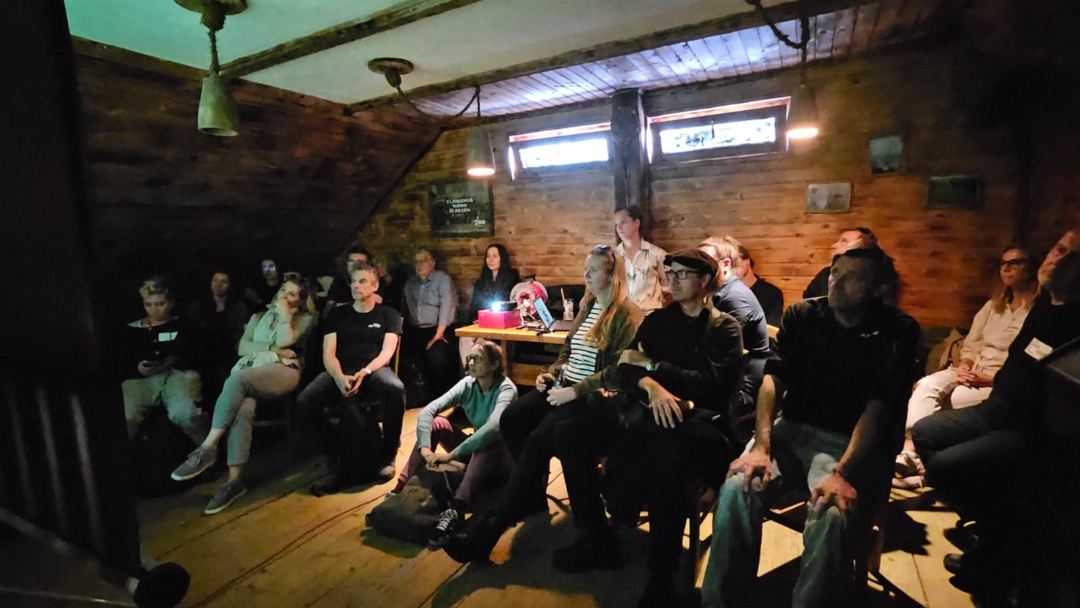
Instead of standard organisational presentations, we asked each partner to bring or present an object, product or service that reflects the biocultural heritage of their area.
Azienda Bergamasca Formazione (Italy) brought red maize from Rovetta, an old variety that reflects the close links between the landscape, local traditions and food. VISION5 (Austria) presented the Klapotetz, a traditional wooden wind rattle that reflects Styria’s rich forestry tradition. Styria is Austria’s most densely forested province. B.A.U.M. Consult (Germany) chose a dominant plant species that has spread across parts of its landscape and sometimes needs to be removed to protect biodiversity. Volunteers help turn the harvested plant into a liquid product, learning about the reasons for the intervention in the process. Outdooractive (Germany) was the only partner to present a digital object: an interactive map featuring points of interest, route closures, protected area regulations and an AI assistant.
Fundaziun Pro Terra Engiadina (Switzerland) brought three items: the historic irrigation channels known as auals da sauar, listed as UNESCO intangible heritage, traditional orchard trees, and the mineral springs that originally attracted tourists to the valley. Fachhochschule Graubünden (Switzerland) presented a practice rather than an object: seasonal alpine grazing, which keeps meadows open and rich in plant species. In Swiss high-altitude grasslands, around 42 plant species have been counted in just ten square metres.
Two very different objects came from France. CIPRA France brought Tomme cheese as part of an initiative to have Alpine culinary heritage added to the UNESCO list. Meanwhile, the Syndicat Mixte du Mont d’Or from Métabief brought ski lift pylons, cables and chairlifts – the very infrastructure it will be dismantling. Following the closure of the Piquemiette ski area in Jougne in 2024, the French biocultural route is taking shape on this decommissioned land. The choice reflects a shift in how we relate to the environment: away from passively consuming the landscape and towards a more active relationship with it that takes greater account of ecological needs.
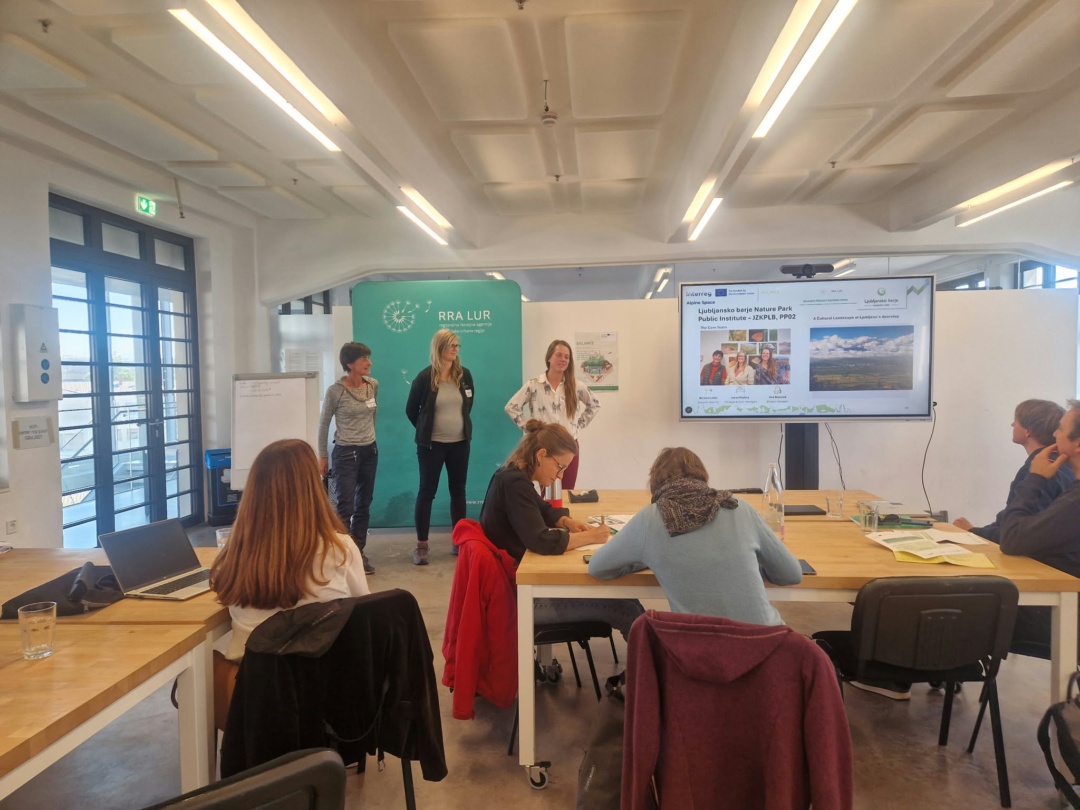
The Ljubljansko barje Landscape Park Public Institute (Slovenia) presented the world’s oldest known wooden wheel, highlighting the close links between nature conservation and the preservation of cultural heritage. As hosts of the meeting, RRA LUR presented the prehistoric pile dwellings of Ljubljansko barje, illustrating the long-standing relationship between local communities and their surrounding landscapes.
From project management and governance to the first field visit
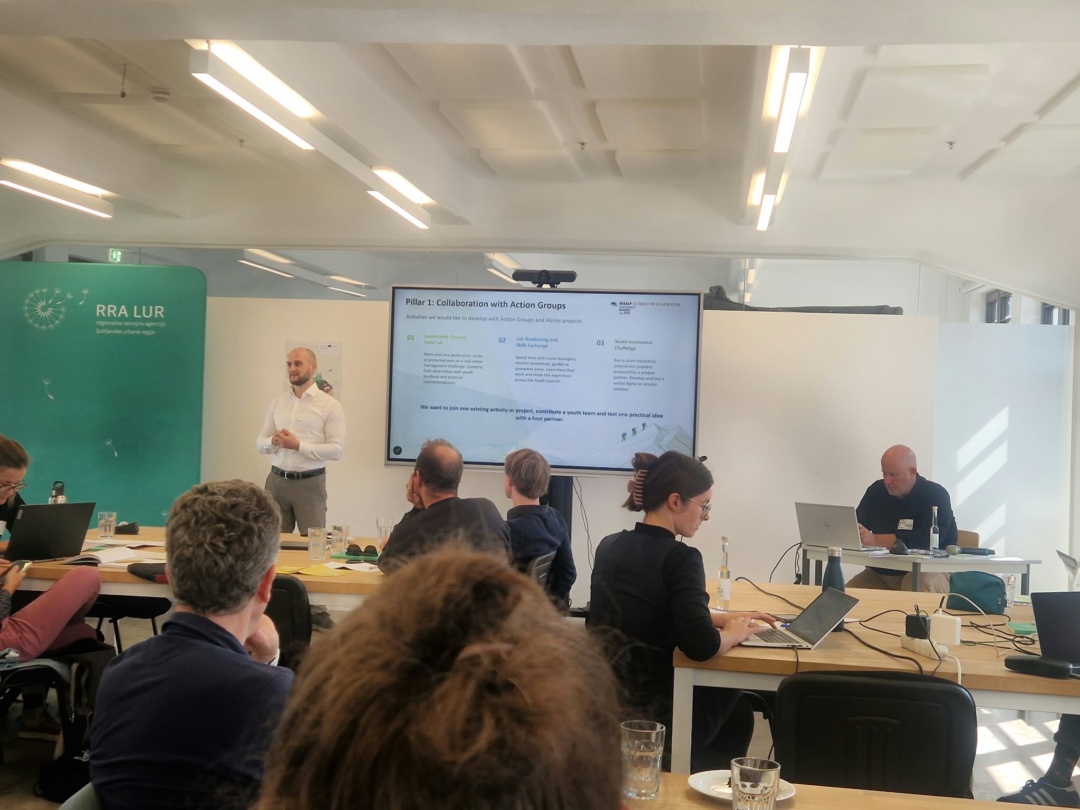
The first day focused on project content and governance. Following opening remarks from the Interreg Alpine Space programme representative, we presented the project, the partnership and the observers. We then reviewed the arrangements needed to ensure smooth implementation, from project management, financial models, cost eligibility and national control systems to the procedures to follow if changes to the project are needed.
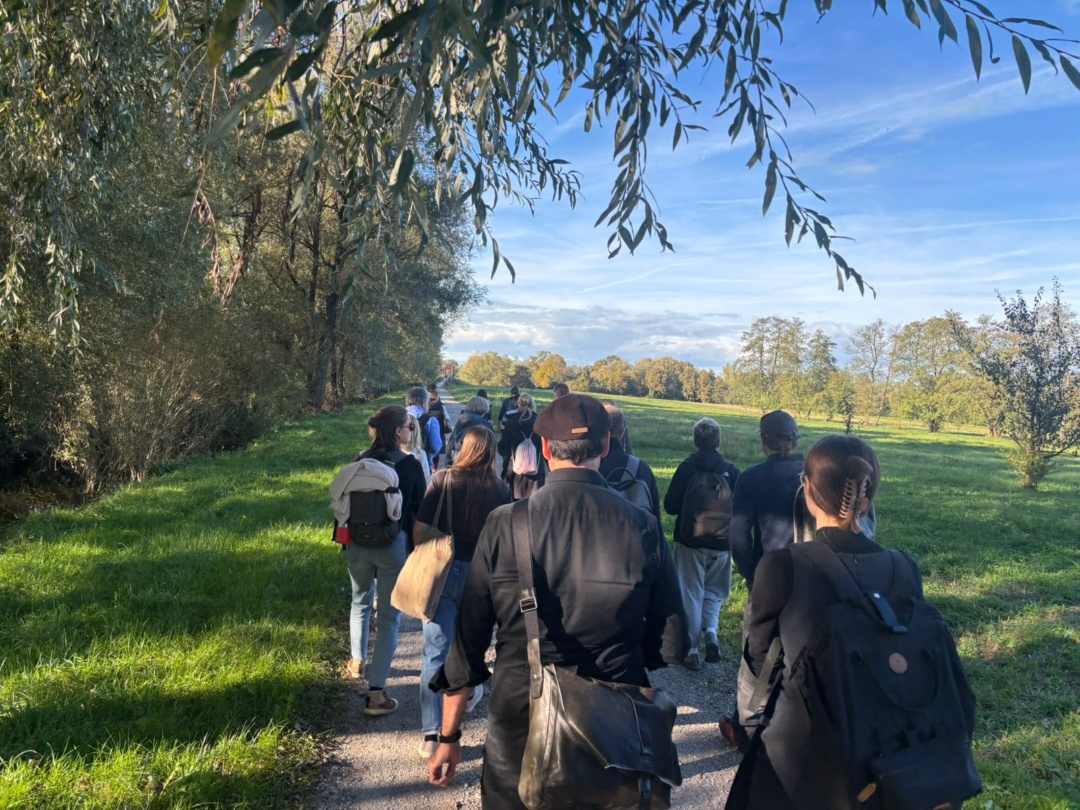
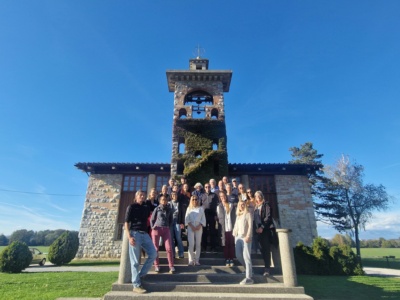
In the afternoon, we set off on the project’s first field visit to Ljubljansko barje, guided by the Landscape Park team. As was only fitting, we travelled out to the marshes by public transport. We began at Plečnik’s Church of St Michael in Črna vas, a striking example of how people have adapted their buildings and way of life to the conditions of the marshland. After an introduction on site, we continued on foot, stopping at a timber and steel footbridge for walkers and cyclists that connects paths on both banks of the watercourse. A few steps away stands Gostišče Kolišče, an inn built in the style of the prehistoric pile dwellings, where we learned more about the marshes.
The second day was devoted to work package workshops. The discussion on the pilot sites was particularly useful. It revealed that the term ‘biocultural route’ does not yet mean exactly the same thing to everyone. The partners agreed to begin developing the routes in January 2027, once the Community Labs are in place. This will help ensure that the routes respond to the actual needs of local residents and stakeholders rather than follow rigid templates.
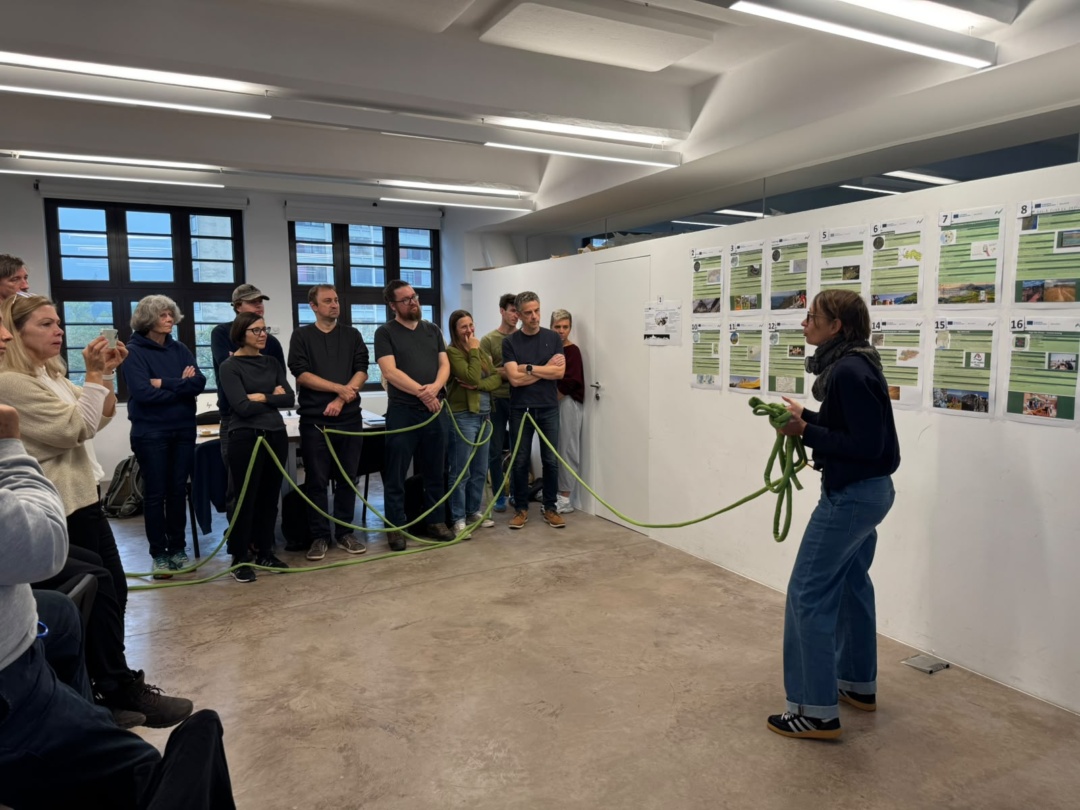
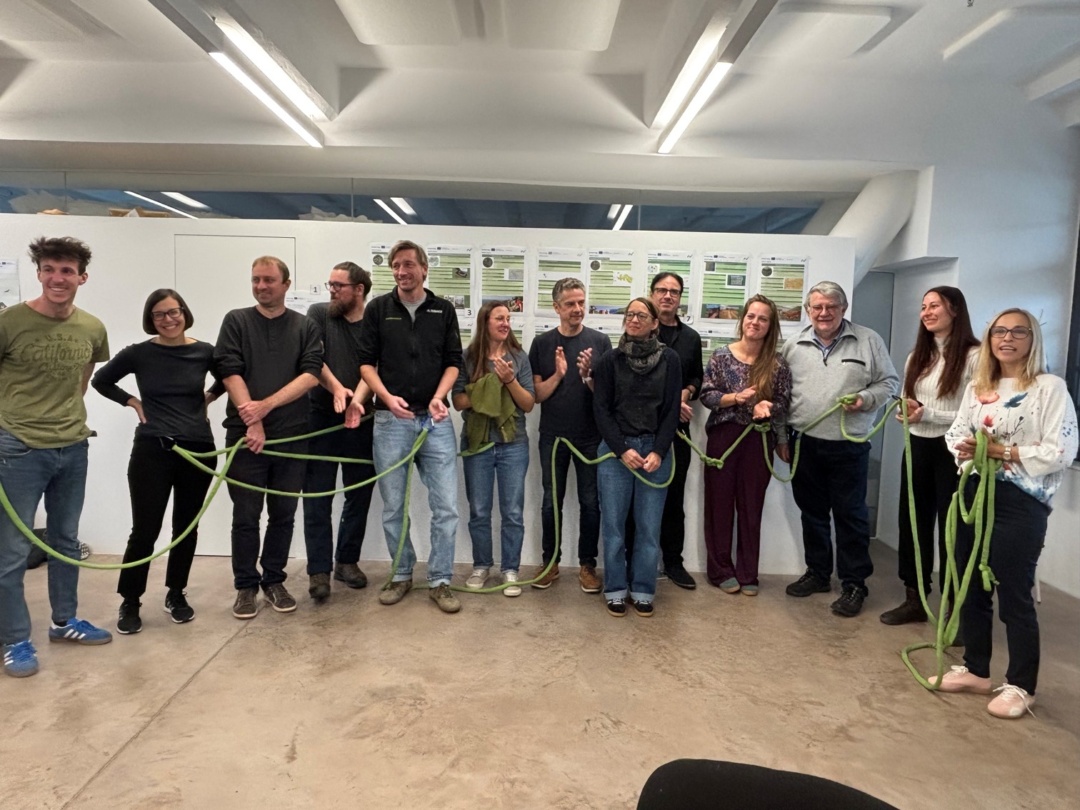
Partners arrived well prepared, bringing examples of good practice from outside the project that could also benefit our routes. These were shared during a workshop titled Weaving Our Web, which opened the second day. Each partner presented examples from around the world while passing a green rope from one participant to the next, gradually connecting everyone in the room. The rope symbolised sustainability and our shared commitment to working together over the next three years.
What comes next
The project runs until August 2029. By then, it will deliver a transnational blueprint for the co-creation of biocultural routes, a network of seven digitally interconnected routes, a toolkit for local managers, and policy recommendations on integrating biocultural route management into regional development, spatial planning, tourism and nature conservation frameworks.
The next partner meeting will take place in Métabief, France, in spring 2027.
The total value of the project is €2,070,394.96.