E-mobility in Dobrova: From a Local Pilot to Regional Sustainable Mobility Solutions
How can e-bikes transform mobility in smaller municipalities? The pilot project in Dobrova–Polhov Gradec offers concrete answers. Within the TERRAIN project, we have monitored the implementation of the e-bike system over the past year, analysed its usage, and—together with stakeholders through the 3rd Living Lab—developed directions for the further advancement of sustainable mobility in the region.
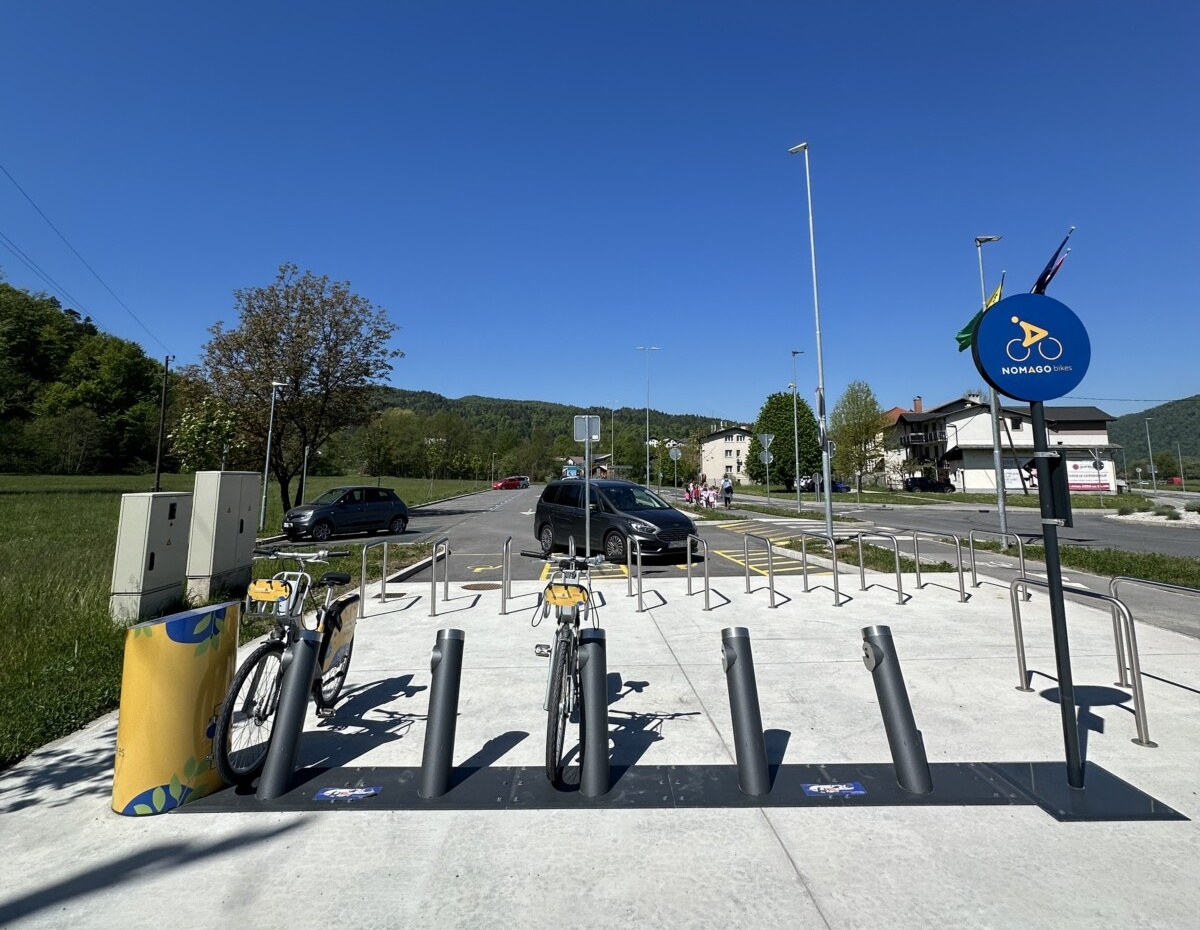
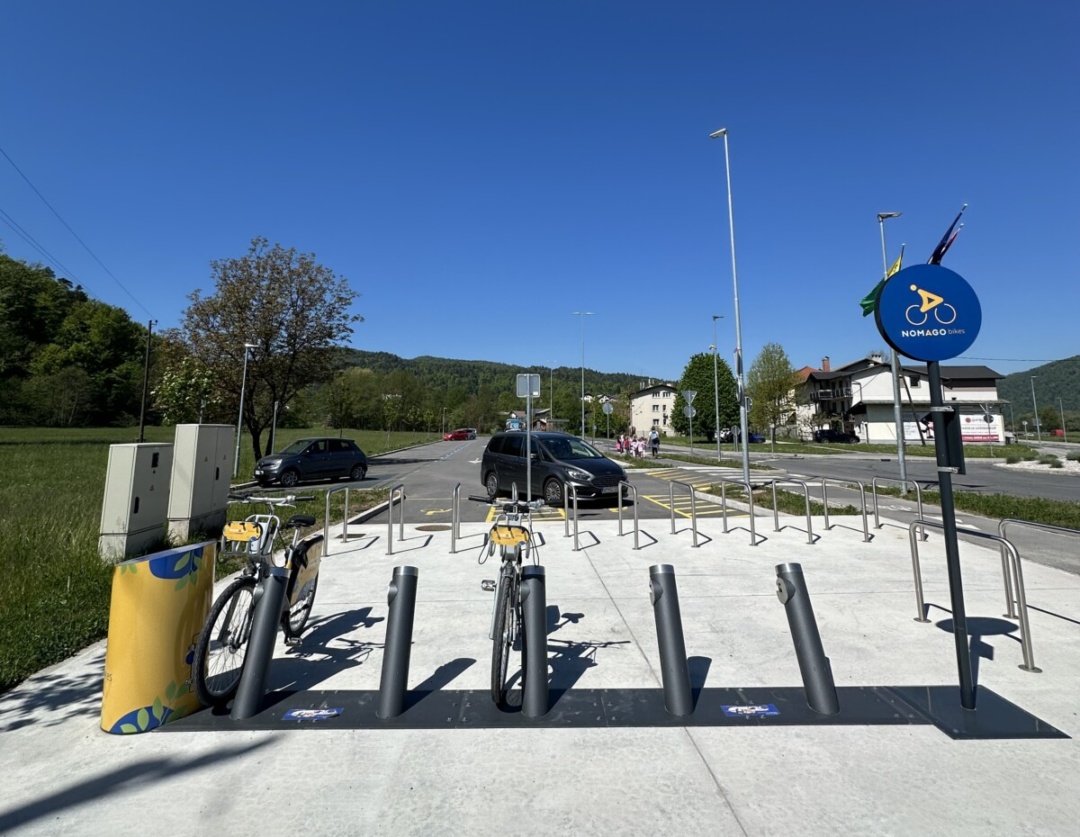
Over the past year, the Municipality of Dobrova–Polhov Gradec has been implementing a pilot e-bike system at the P+R Dobrova location, offering valuable insights into how micromobility can reduce car dependency in smaller municipalities within the Ljubljana Urban Region (LUR).
The e-bike station was established through cooperation between the municipality and Nomago, while the Regional Development Agency of the Ljubljana Urban Region (RRA LUR), within the TERRAIN project, is monitoring system performance, analysing data, and evaluating its real-life effectiveness—also in comparison with more mature systems such as the one in the Municipality of Medvode.
This pilot represents a typical case of introducing sustainable mobility solutions in areas characterised by longer travel distances, limited public transport, and high reliance on private cars. The P+R Dobrova location was selected to test whether e-bikes can effectively complement public transport and address the so-called “last-mile” challenge. Initial findings indicate that the system is gradually attracting users and contributing to CO₂ emission reductions, while also highlighting a key limitation: a single station with a limited number of bikes is not sufficient to achieve broader impact.
Usage statistics from May to December 2025 confirm both the potential and the constraints of the system. In the first three months of operation (May–July 2025), 105 rentals were recorded, with a total of 572 km travelled and approximately 155 kg of CO₂ saved. The average trip duration was around 21.8 minutes, indicating use primarily for short, everyday trips. Between August and December 2025, an additional 146 rentals were recorded, covering 665 km and saving around 180 kg of CO₂. Altogether, the system registered 251 rentals, over 1,230 km travelled, and approximately 335 kg of CO₂ savings during its first operational period.
The data reveal a clear seasonal pattern, with higher usage in summer and early autumn and a decline during winter months. Most trips start and end at the same P+R location, confirming the system’s role as a local complementary mobility solution. While some connections to Ljubljana (e.g. Dolgi most, Glince, Kongresni trg) are present, they remain limited. In contrast, more developed systems such as Medvode demonstrate significantly higher usage, underlining that network density, infrastructure quality, and system integration are key success factors.
An important step in raising public awareness took place during the European Mobility Week in September 2025, when a promotional e-mobility testing event was organised in Dobrova. A temporary station was installed near the primary school, allowing residents to test e-bikes free of charge. Participants highlighted ease of use, time efficiency, and affordability, recognising e-bikes as a viable alternative to cars, especially for short-distance trips.
Building on these activities, the project also addressed the need to capture qualitative user feedback, which is not included in standard operational data. Initial subscriptions were distributed during the European Mobility Week, and in May 2026 a structured user-testing phase was launched in cooperation with the local Tourism Association of Polhov Gradec. Participants are using e-bikes in their daily routines and providing feedback through surveys, focusing on ride quality, usability, and overall system performance.
At the same time, particular attention is being given to the broader context of cycling infrastructure. Safe, continuous, and well-connected cycling routes are essential for successful micromobility integration, especially in smaller municipalities. To support this, a digital platform developed by the Regional Mobility Centre LUR enables users to identify problematic sections, propose improvements, and share real-world experiences. This input complements the TERRAIN pilot analysis and contributes to the development of the Regional Sustainable Urban Mobility Plan (RCPS LUR), particularly within the pillar addressing walking and cycling.
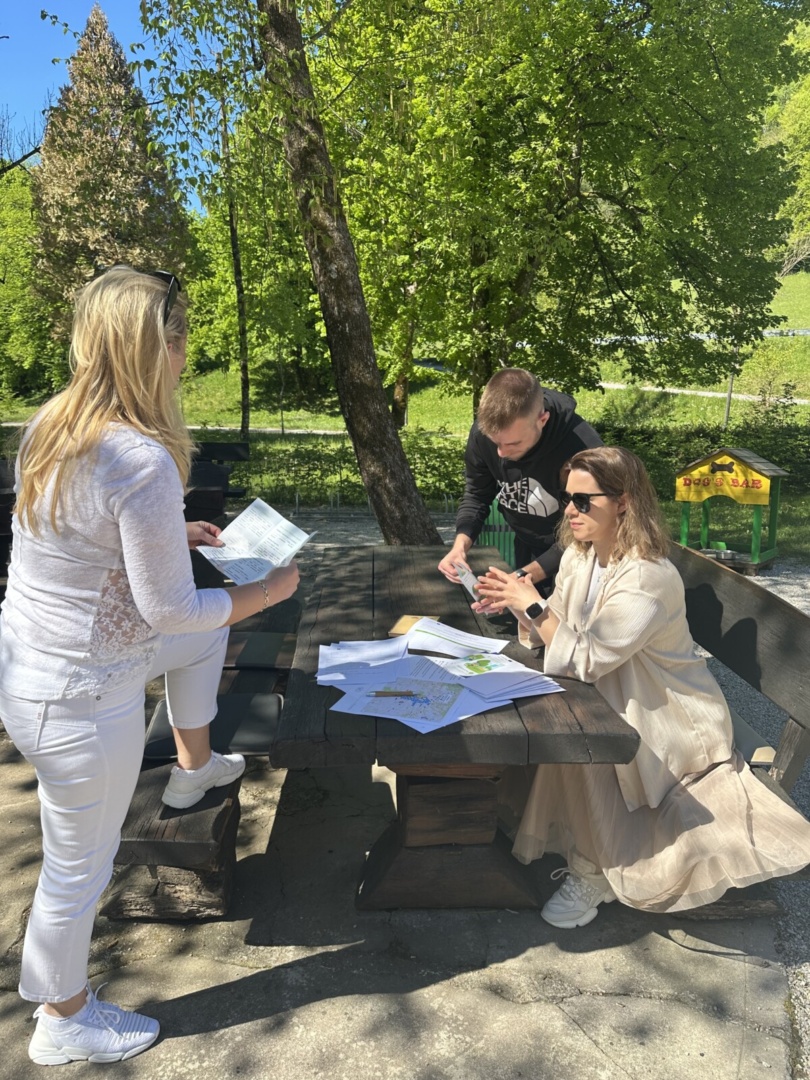
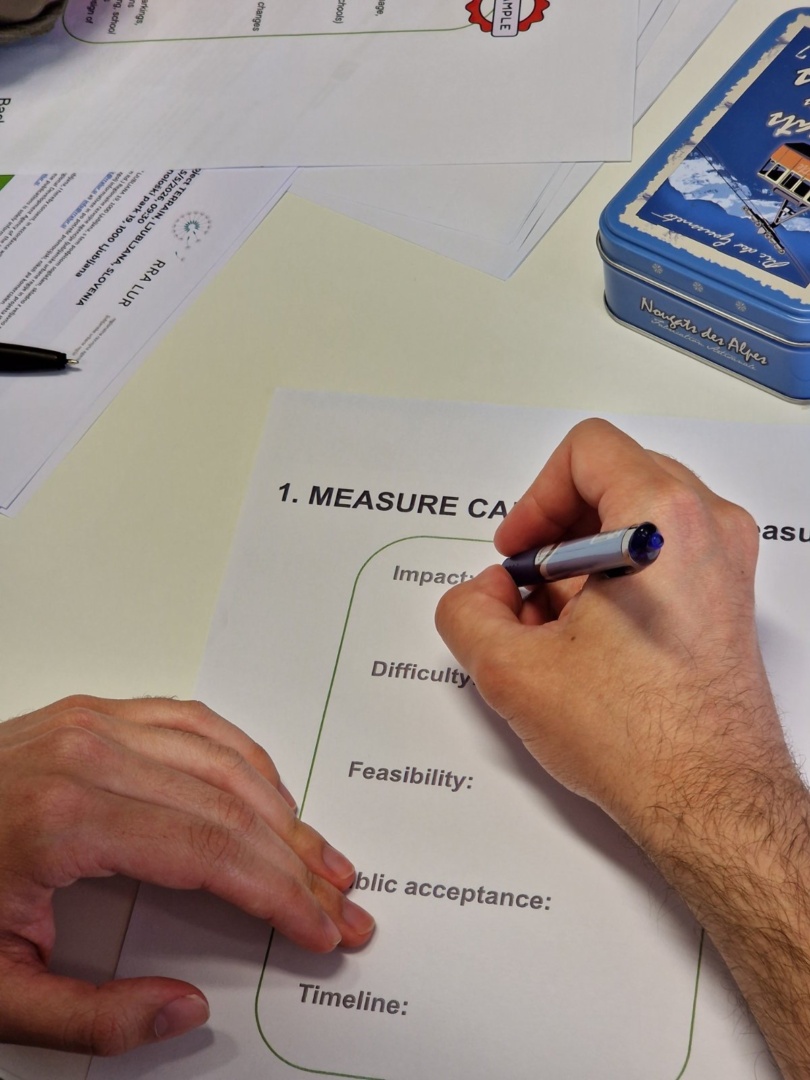
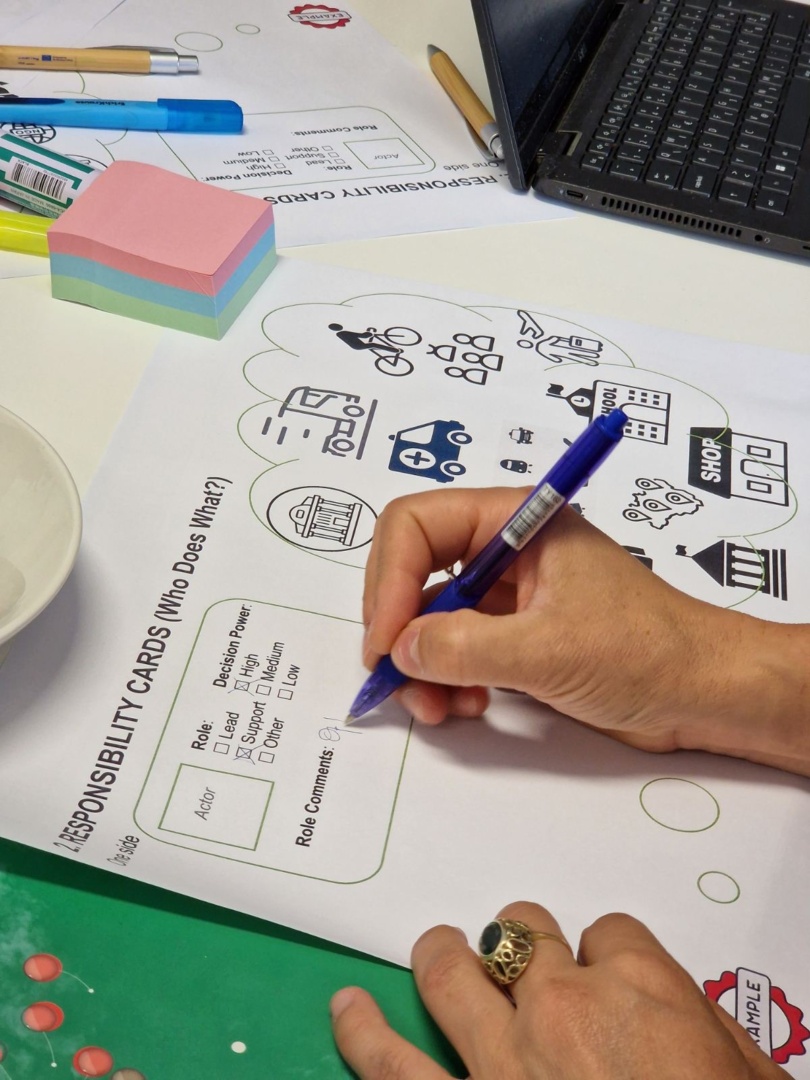
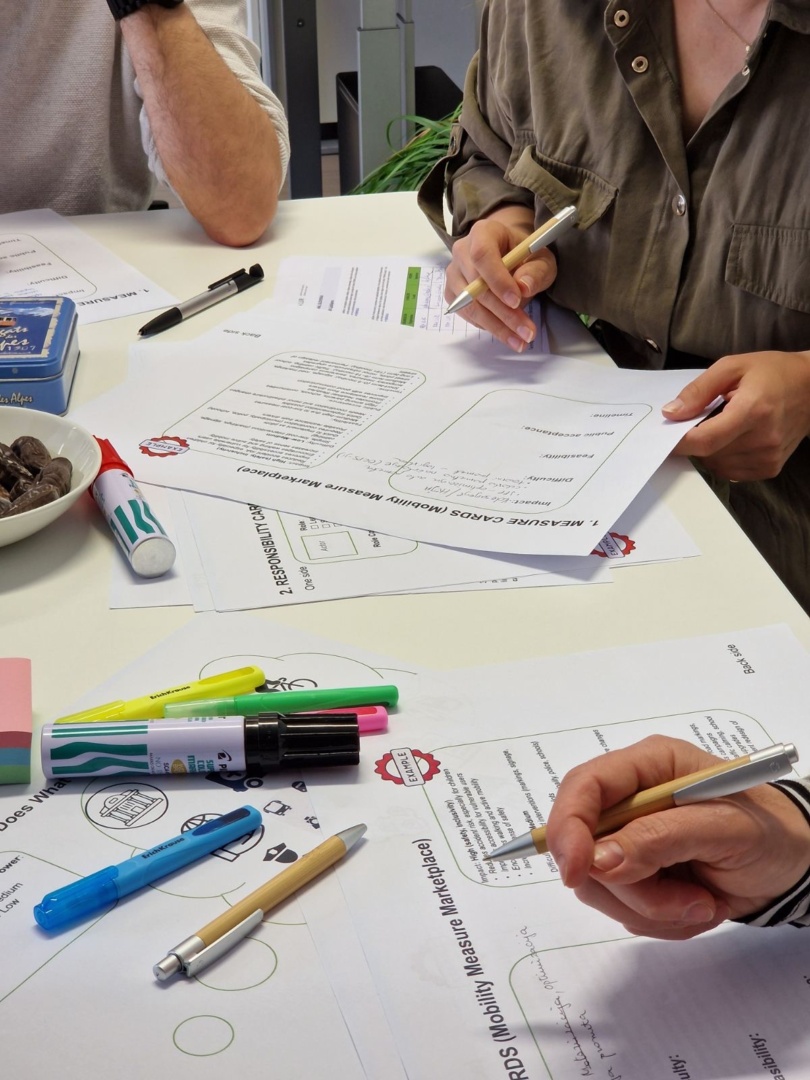
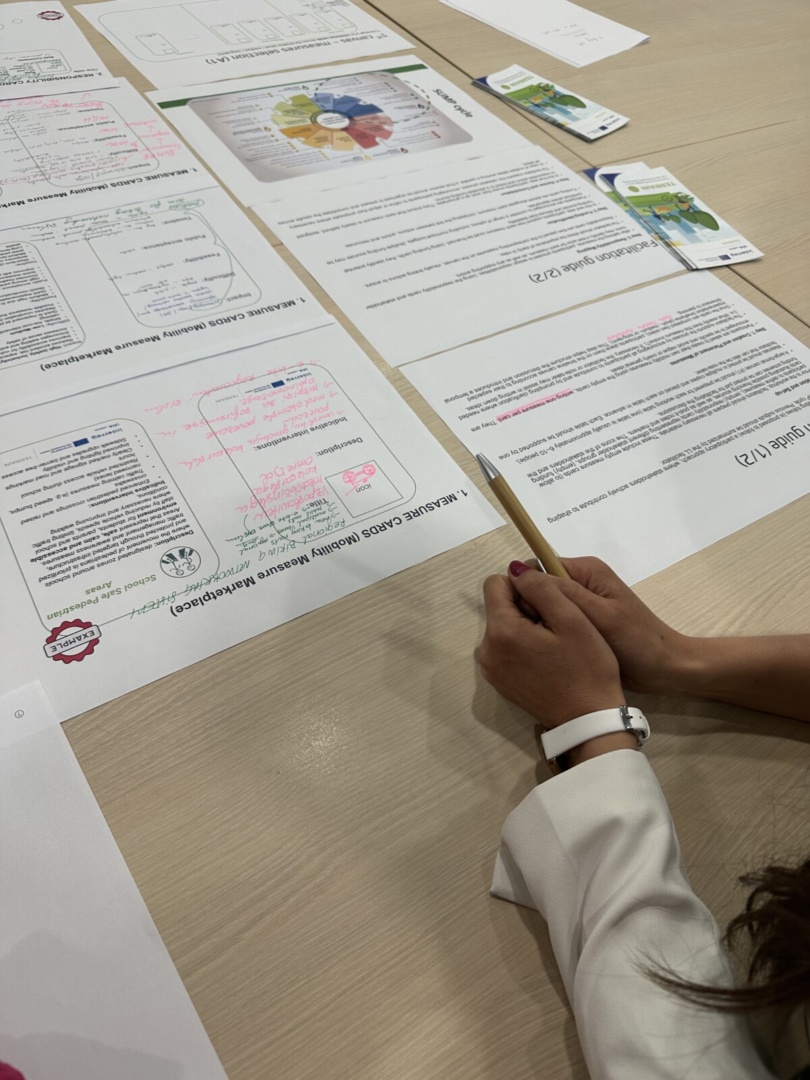
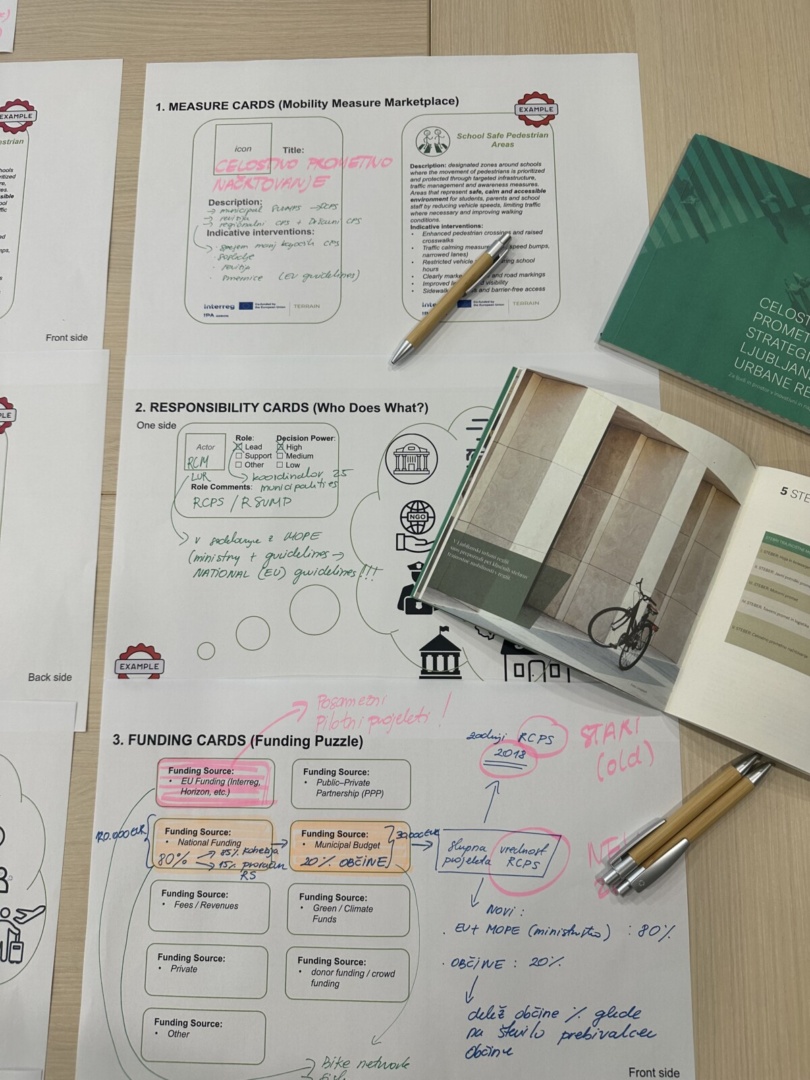
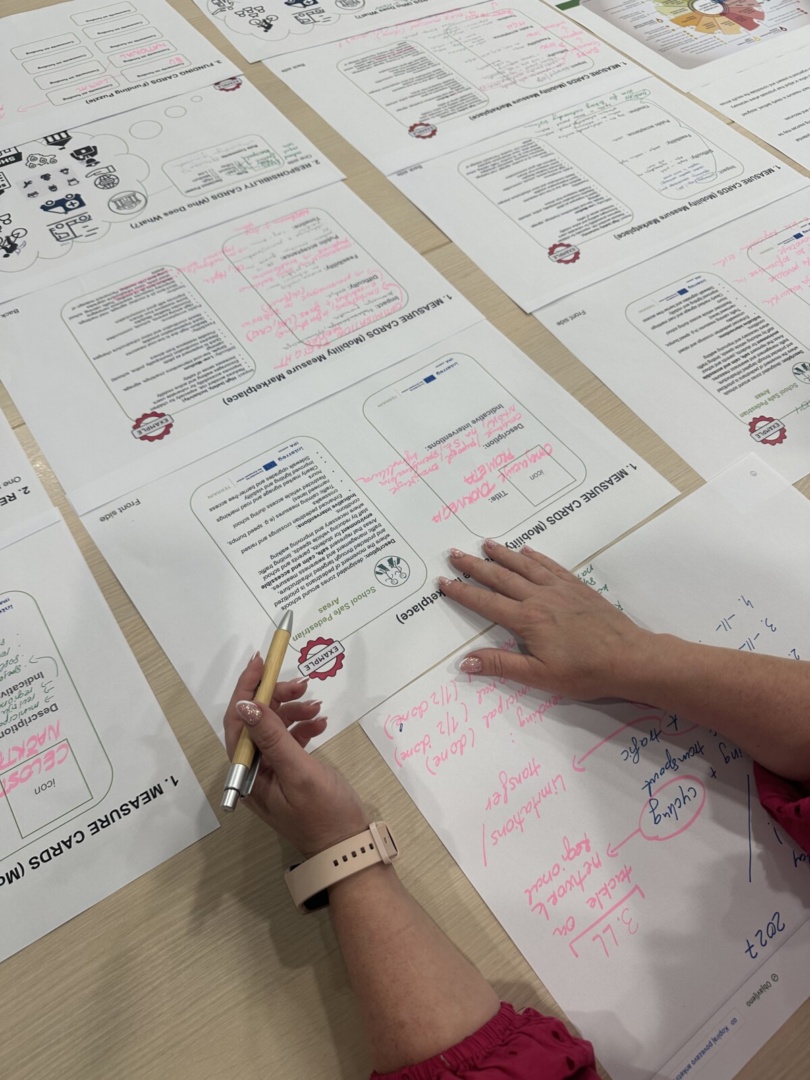
In April and May 2026, the pilot was further advanced through the 3rd Living Lab, organised in two complementary parts. The first part, held on-site on 24 April 2026 in Polhov Gradec and at the P+R Dobrova location, focused on assessing real conditions, identifying infrastructure gaps, and evaluating system performance. The second part, held on 5 May 2026, addressed the broader strategic framework of the RCPS LUR, focusing on sustainable mobility measures, including cycling, micromobility, and integrated transport planning. The discussions clearly highlighted that successful implementation of micromobility requires a combination of infrastructure, service availability, and active user engagement.
Further analysis will be expanded with 2026 data, available at the end of June, allowing comparison with existing results and a better understanding of long-term trends. Additional engagement with users will provide deeper insights to support future system development.
The Dobrova pilot confirms a broader conclusion: e-bikes can play a significant role in sustainable mobility—but only when integrated into a wider, connected system. Their success depends on the expansion of cycling infrastructure, the development of a regional network, and the scaling up of services.
All activities are closely linked to the preparation of the new Regional Sustainable Urban Mobility Plan (RCPS LUR), which will define key measures for sustainable mobility development in the coming years. The Dobrova pilot represents one of several practical cases contributing to this process, alongside other Interreg and Horizon projects. Together, these initiatives are shaping the future of mobility in the region.