CulturalRoad explores generational perspectives on autonomous mobility
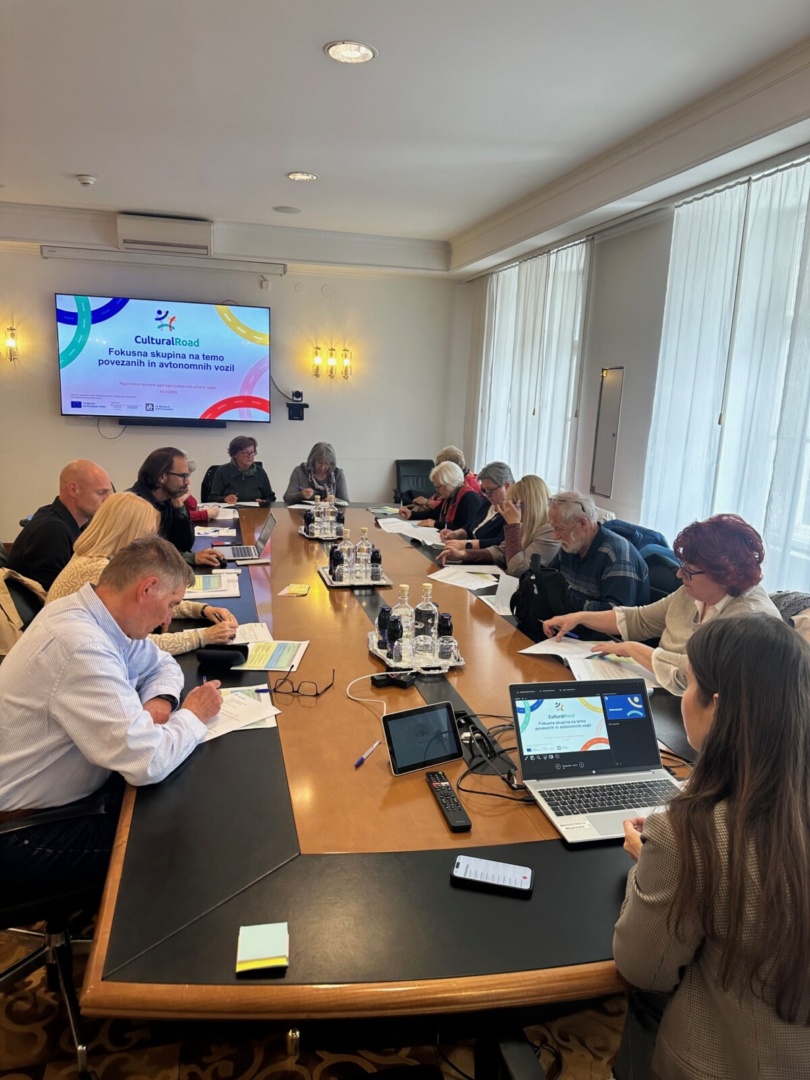
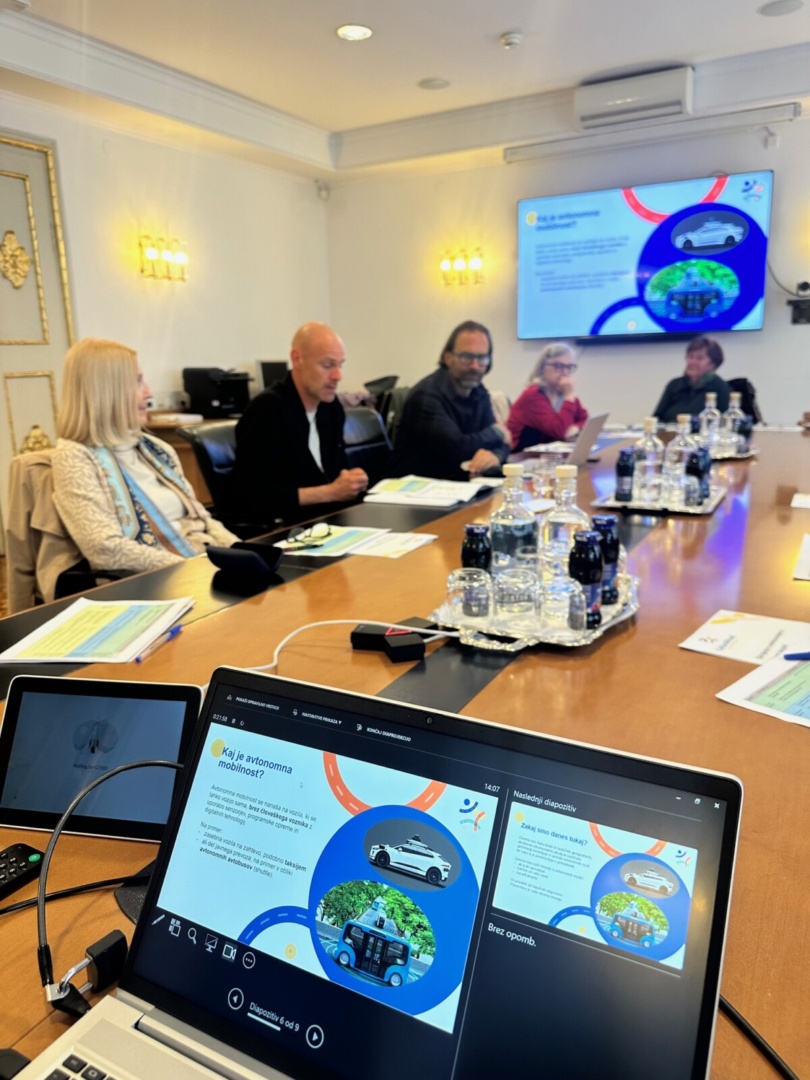
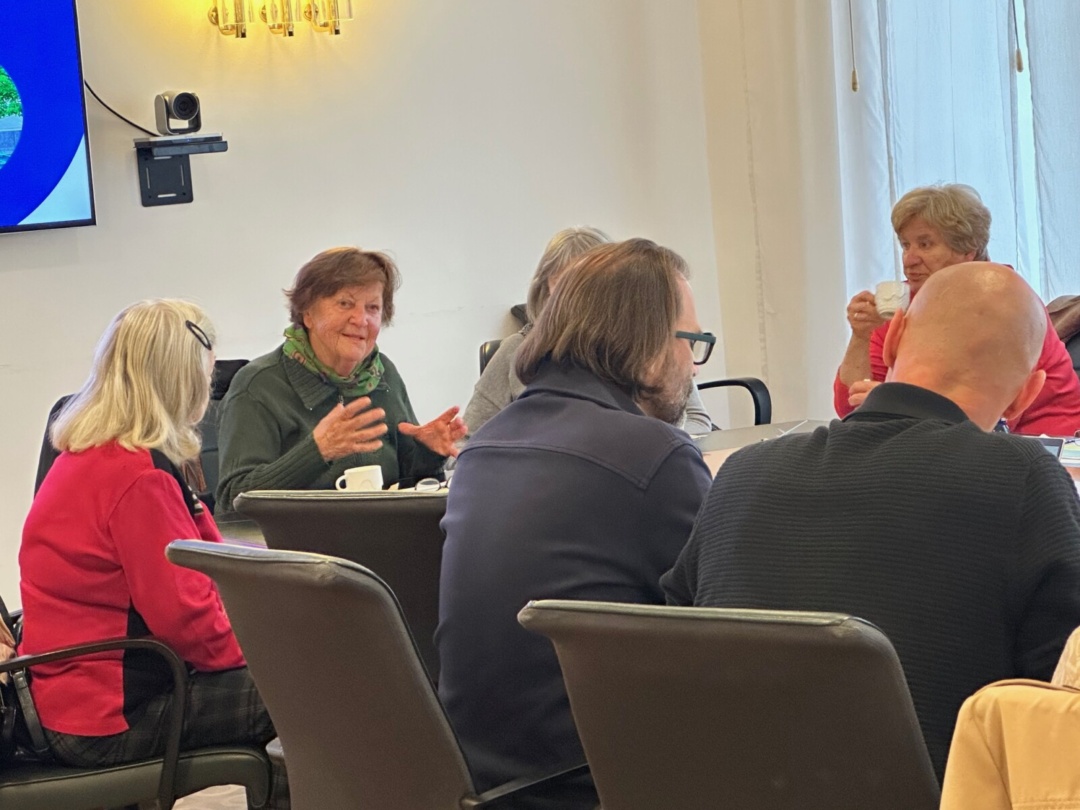
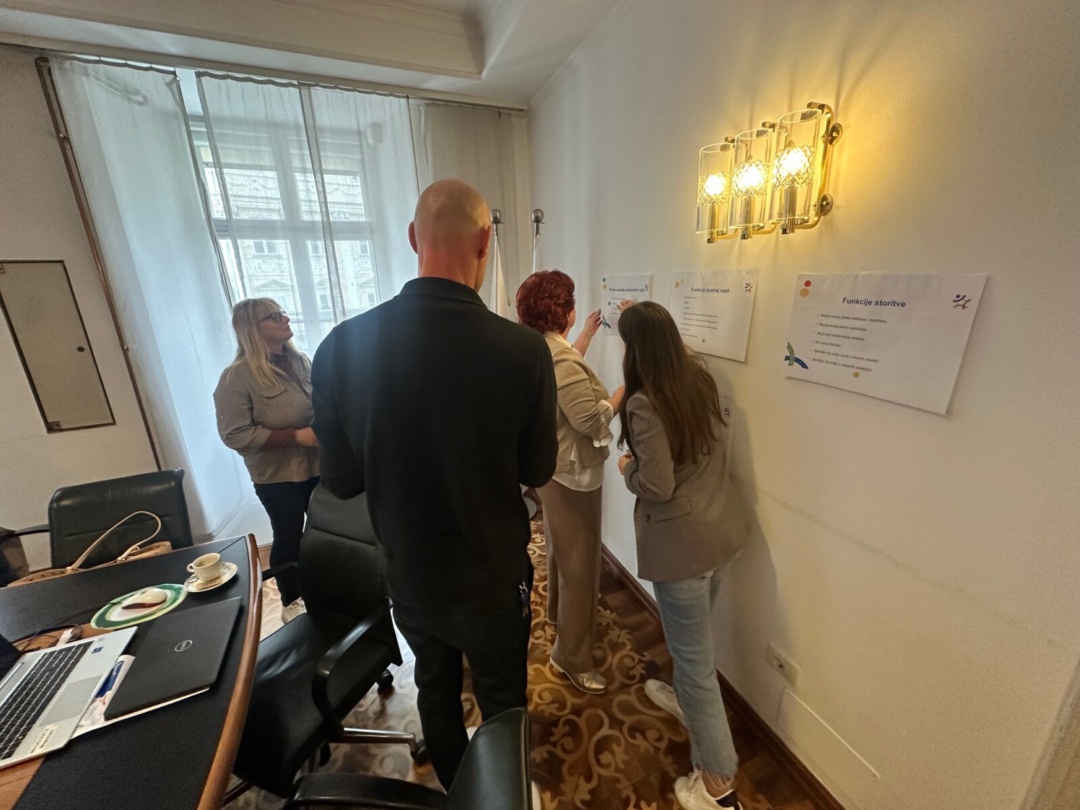
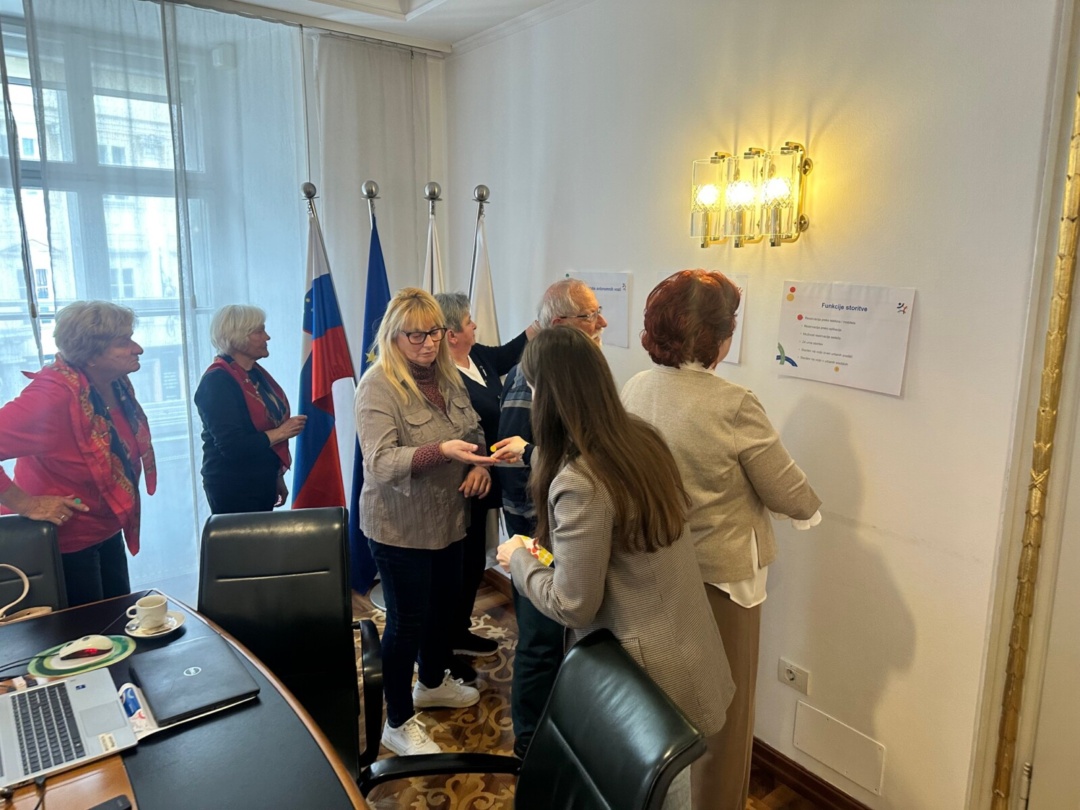
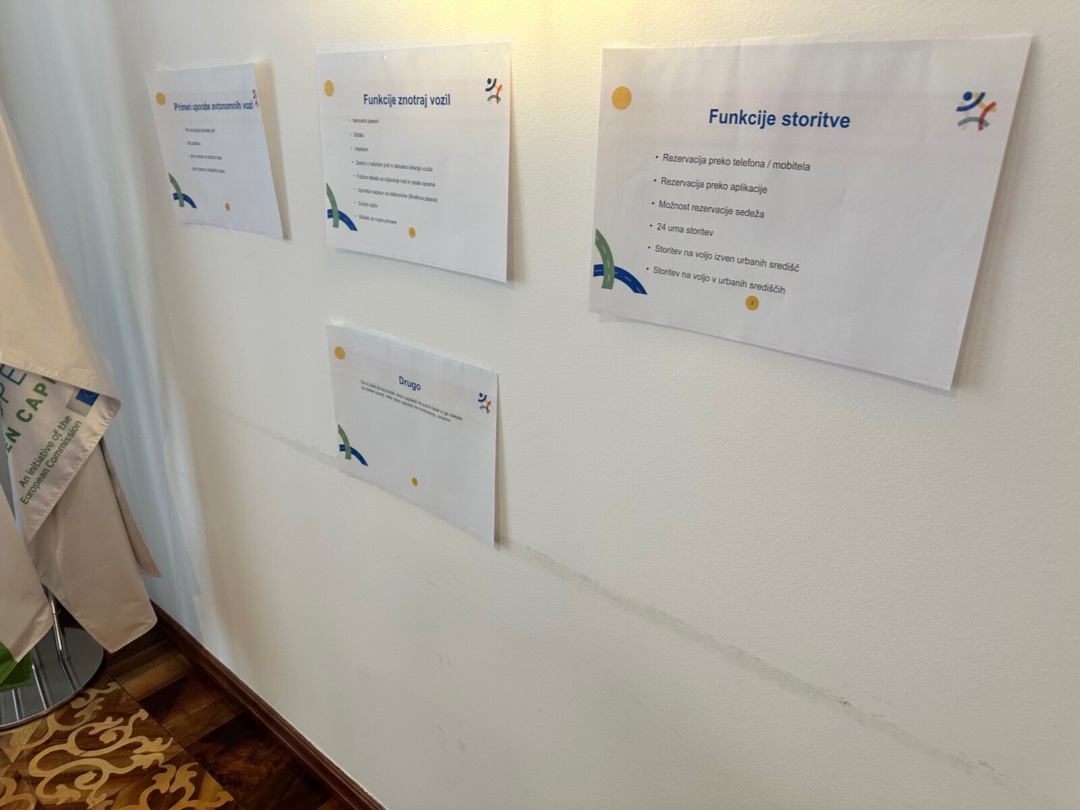
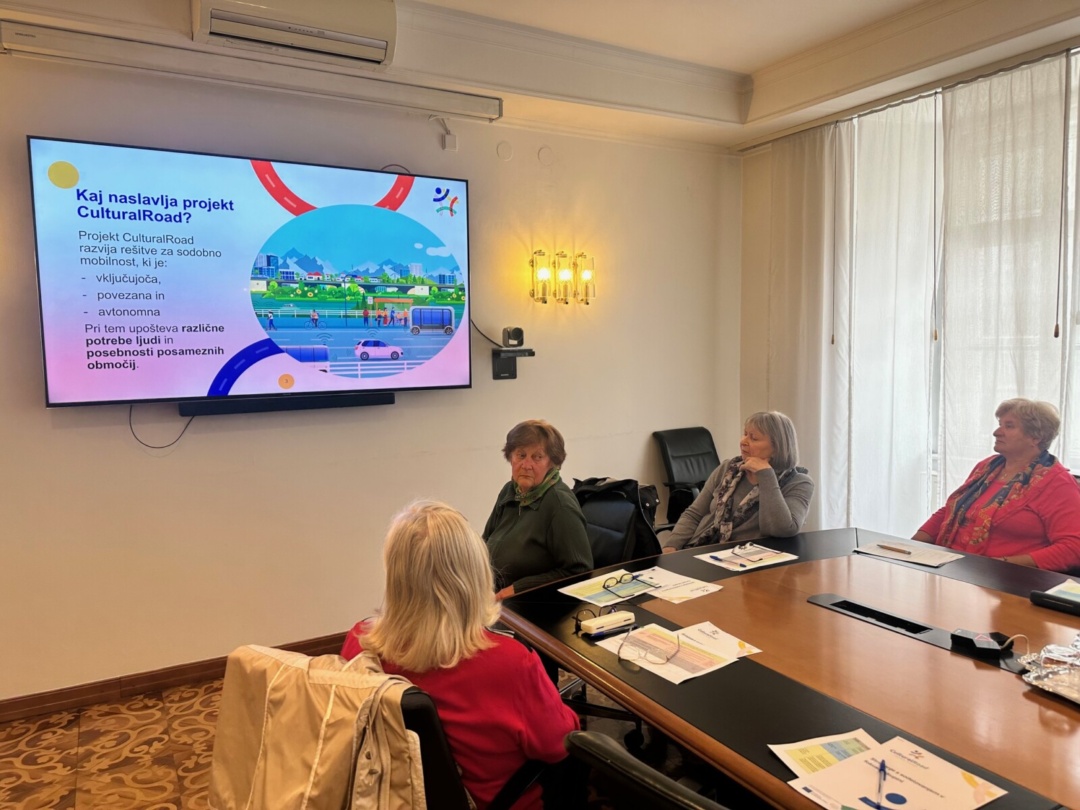
In April, two focus groups were conducted במסגרת the CulturalRoad project to better understand how different target groups perceive autonomous mobility. A workshop with elderly participants took place on Tuesday, 14 April, followed by a focus group with young professionals and students on 23 April.
The findings reveal both generational differences and shared perspectives on the future of autonomous transport.
Elderly participants perceive autonomous mobility as a promising solution, particularly in terms of improved accessibility and comfort in urban areas, where they often face limitations related to driving and parking. They see strong potential in using autonomous vehicles as a complement to public transport and for everyday city trips. At the same time, they highlighted important concerns, especially regarding safety, system reliability, and the need for simple, user-friendly solutions adapted to older users.
Young professionals and students tend to be more open to autonomous mobility and more readily associate it with future transport systems. They emphasise flexibility, time efficiency, and on-demand services as key advantages. Autonomous vehicles are seen as a natural extension of existing shared mobility solutions, with the potential to reduce reliance on private cars, particularly in urban environments.
Despite their generally positive attitude, younger participants also stress key conditions for adoption, including affordability, system reliability, high-quality user experience, and well-developed infrastructure. While they prioritise digital solutions such as intuitive mobile applications, older participants place greater importance on alternative access options, such as booking via phone.
Both groups agree that autonomous mobility has the greatest potential as part of an integrated, shared, and sustainable transport system. However, they also underline that successful implementation will depend on ensuring safety, accessibility for all users, and adequate supporting infrastructure.
The insights gathered through these focus groups provide valuable input for the CulturalRoad project, supporting the development of inclusive and user-oriented autonomous mobility solutions.