Bilateral Exchange of Good Practices between the Tampere Region and the Ljubljana Urban Region within the TAAS Project
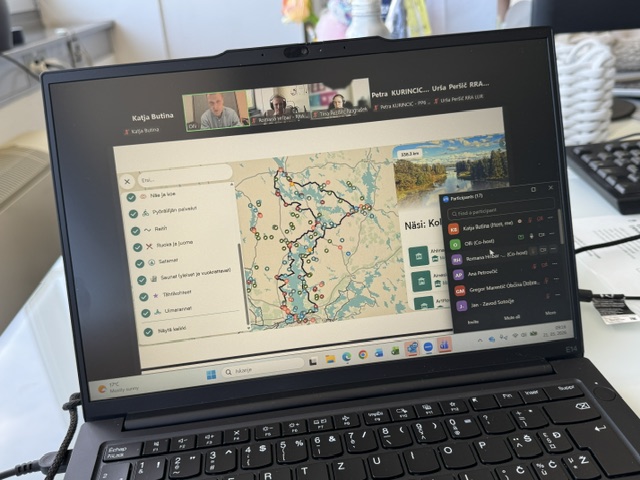
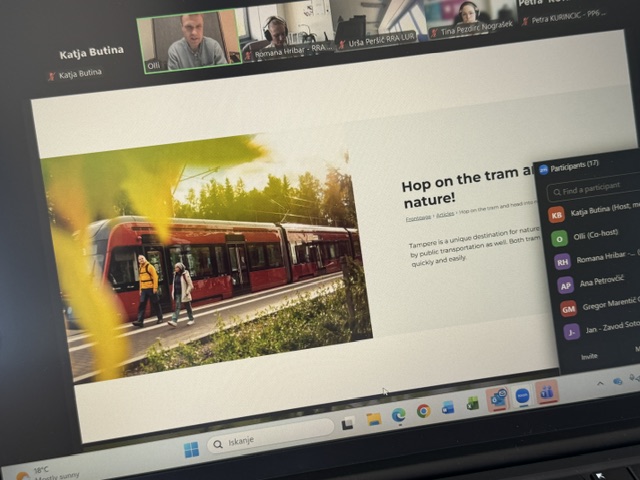
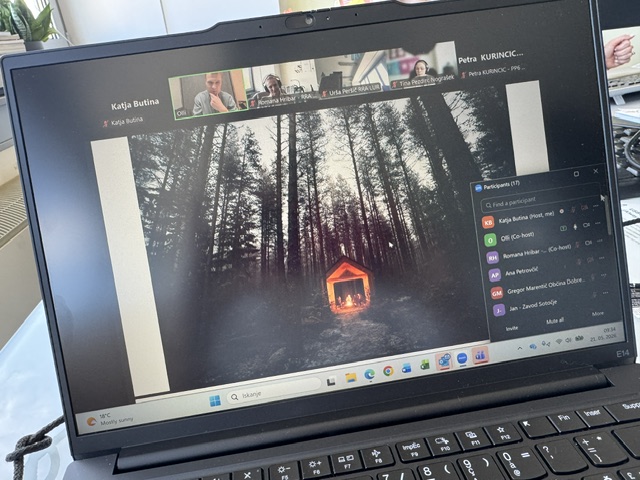
In May, as a part of the TAAS: Tourism as a Service; a 360 degrees tourism experience project, an exchange of good practices in the fields of sustainable tourism, hiking and cycling took place. In an excellent webinar, the hiking and cycling trails in the Tampere region in Finland were presented, along with approaches to visitor management in environmentally sensitive areas.
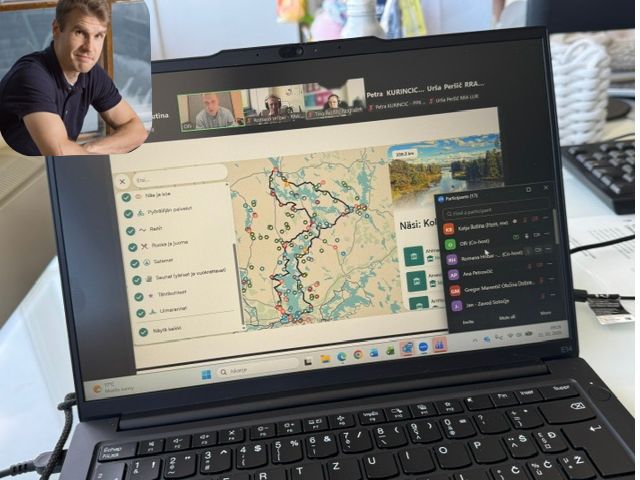
The presentation was delivered by Olli Vakkala, Project Manager and Sustainable Content Specialist at Ekokumppanit. The Finnish company operates in the fields of sustainable development, environmental consultancy and the promotion of green practices in the Tampere region. Their work includes projects related to climate action, the circular economy, environmental awareness and the sustainable development of destinations and local communities. The company frequently collaborates with public organisations and tourism stakeholders, such as Visit Tampere, which is also a partner in the TAAS project, on the development of sustainable tourism and the improvement of environmental standards across the wider Tampere region.
In an excellent presentation, Olli Vakkala introduced the Lake Trails network around seven lakes in the Tampere region, the network of hiking trails and outdoor experiences marketed under the common brand Outdoor Tampere, and the Outdoor Express public transport system, which encourages sustainable visits to environmentally sensitive natural areas. Special emphasis was placed on the integrated approach to sustainable tourism planning – from the development of tourism trails, visitor guidance and cooperation among local providers to sustainable mobility and destination promotion.
The presentation was highly informative for stakeholders from the Ljubljana Urban Region, as many of the presented solutions and approaches are comparable to the challenges and opportunities of the Polhov Gradec Hills addressed within the TAAS project. The event once again demonstrated that European projects provide an important platform for the exchange of knowledge, experiences and good practices between regions.