TAAS Project Partners on a Study Visit to the Netherlands: Inspiring Examples of Linking Sustainable Mobility and Tourism
Partners of the TAAS (Tourism as a Service) project took part in a study visit to the Dutch region of Zuid-Limburg on 6 and 7 May, where they explored innovative approaches to sustainable tourism development, the digitalisation of tourism services, and the integration of mobility and visitor experiences.
The region’s most unique tourism experiences – cycling through the former underground limestone quarry of Sibberg.
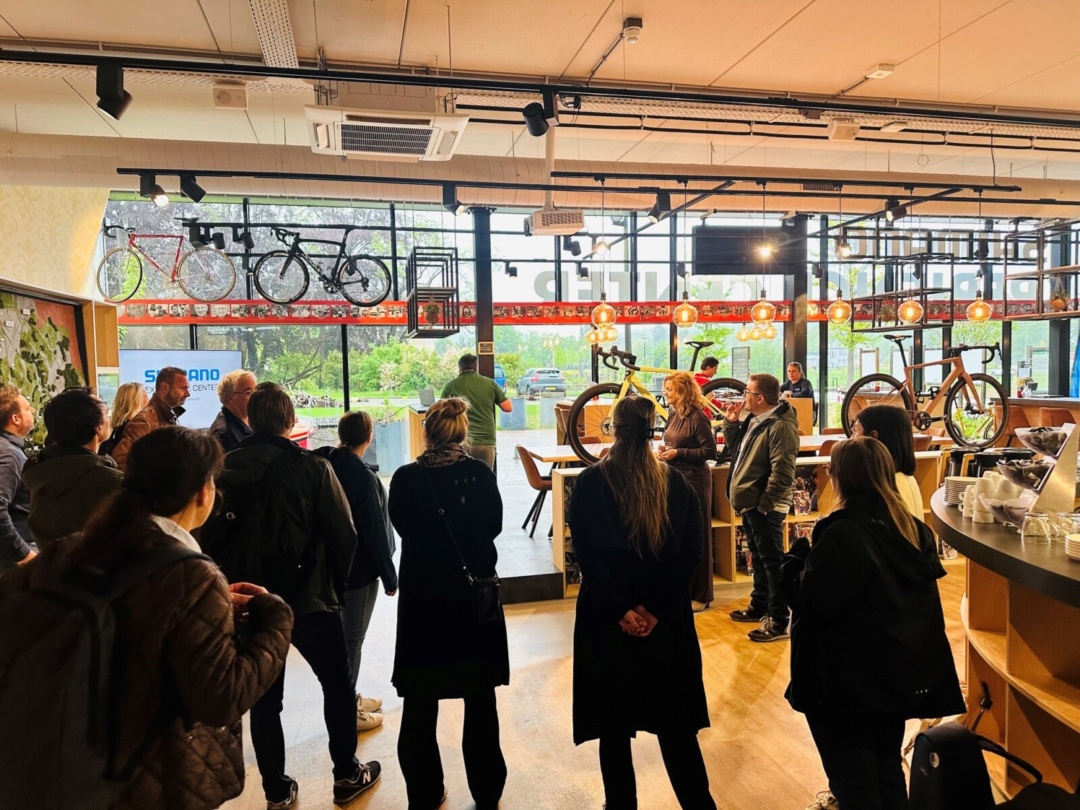
The visit began in Valkenburg at the Shimano Experience Center, one of the region’s leading hubs for cycling and outdoor activities. Operated by the Japanese company Shimano, the centre serves as a meeting point for knowledge, innovation and experiences related to cycling, hiking and recreation. Visitors can test different types of bicycles, receive expert advice, join guided tours through the scenic Zuid-Limburg landscape and explore the history of cycling through the Shimano Heritage Museum collection. Located close to renowned cycling routes and international race venues, the centre plays an important role in promoting cycling culture and active tourism in the region and beyond.
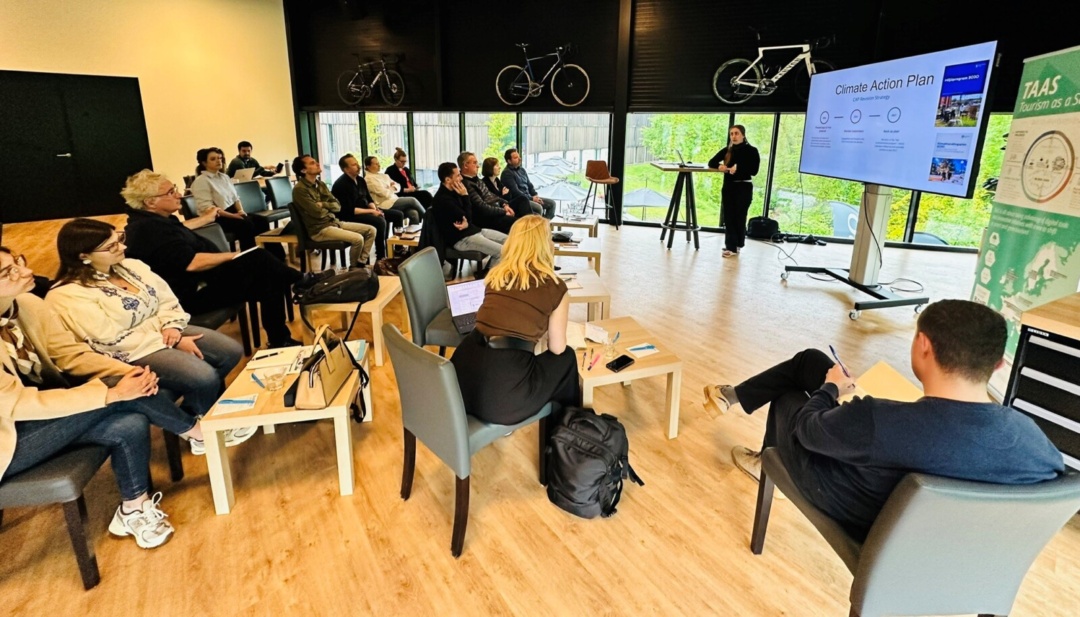
The TAAS Project Meeting was also held at the centre, where partners discussed progress in improving policy instruments, communication activities and the next steps related to the implementation of TAAS pilot actions. Participants were welcomed by Manon Luijten and Sven Kools from Visit Zuid-Limburg, Tim Senden from the Municipality of Beekdaelen and Danny Nelissen, Commercial Director of the Shimano Experience Center.
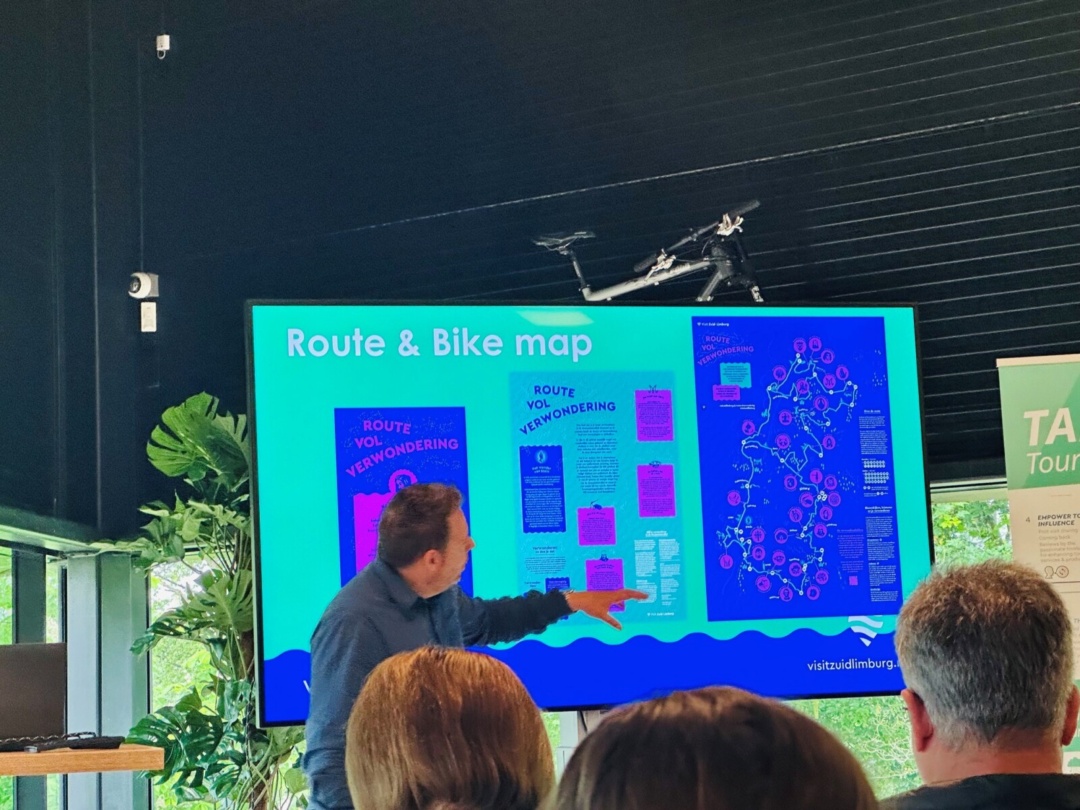
An important part of the programme was dedicated to the presentation of Visit Zuid-Limburg, the regional destination management organisation responsible for tourism promotion and sustainable tourism development in the area. The organisation builds its development strategy around the concept of destination DNA, aiming to preserve and highlight the unique characteristics of the region – its rolling landscapes, rich cultural heritage, hospitality and high-quality opportunities for active leisure. The strategy seeks to create an authentic and recognisable destination that offers meaningful experiences while encouraging sustainable visitor behaviour.
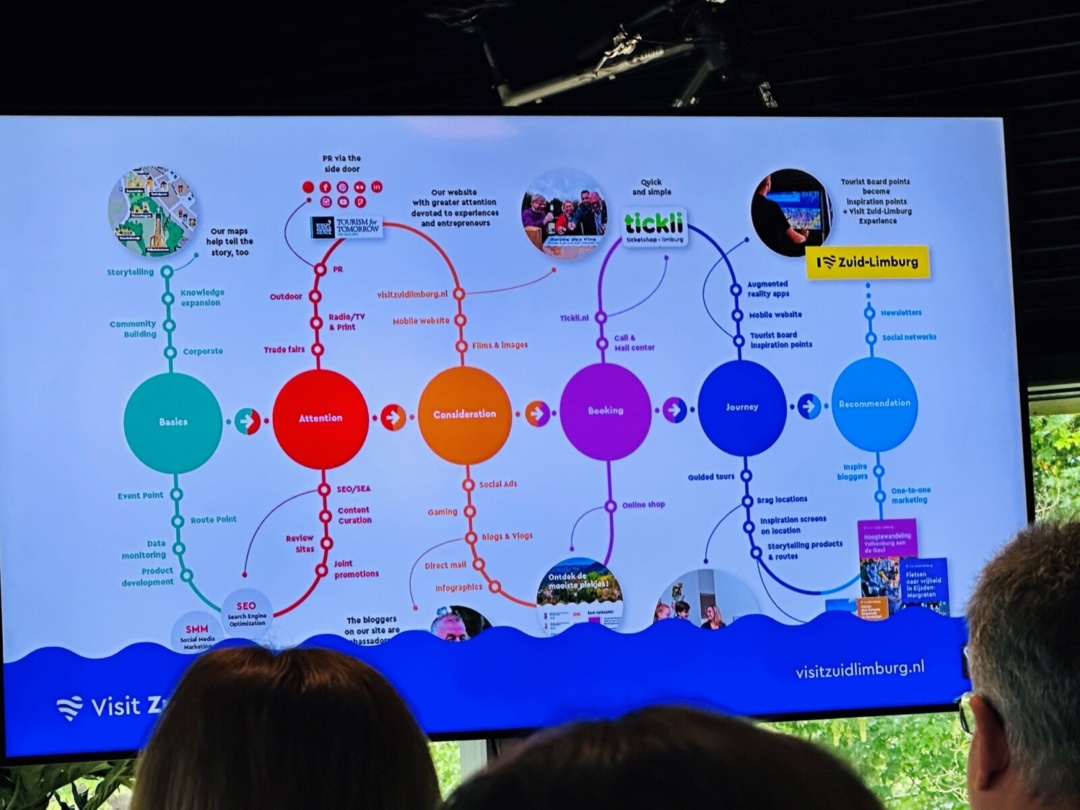
Partners were also introduced to innovative digital solutions designed to enhance the visitor experience. Among them was the Tickli system, which provides easier access to tourism services, attractions and events while improving the integration of tourism and mobility services across the region. A good practice example of 360-degree digital tours was also presented, enabling potential visitors to explore destinations virtually before their trip.
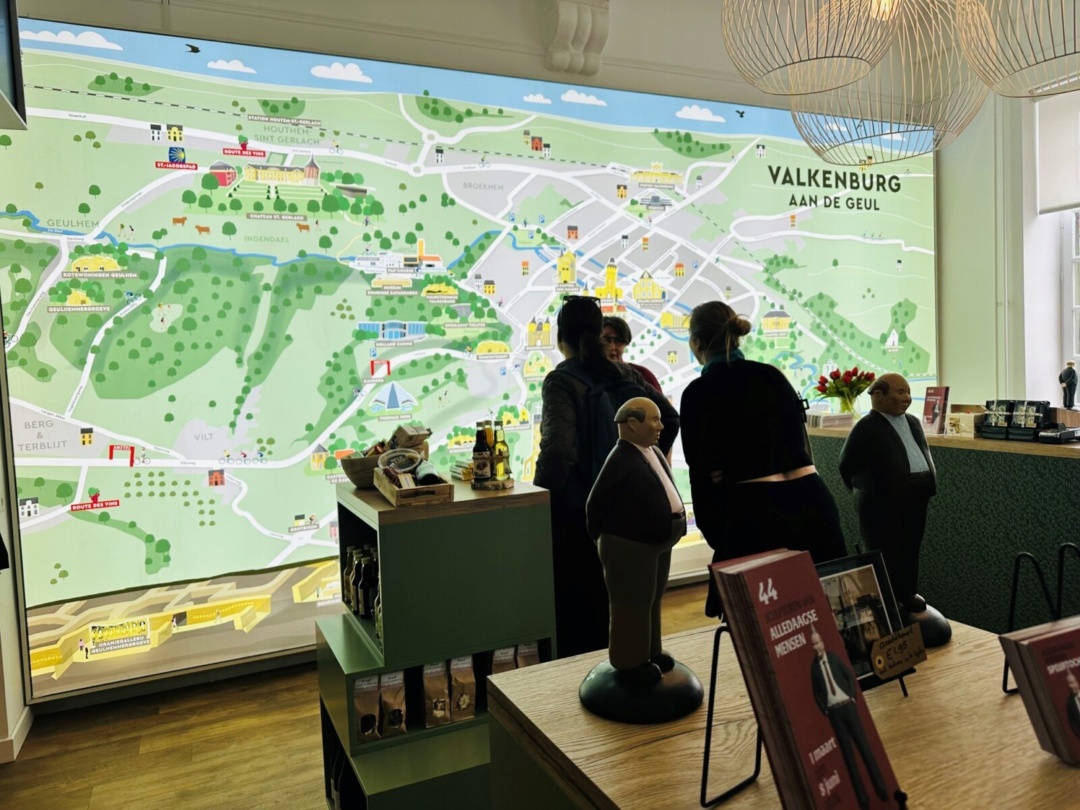
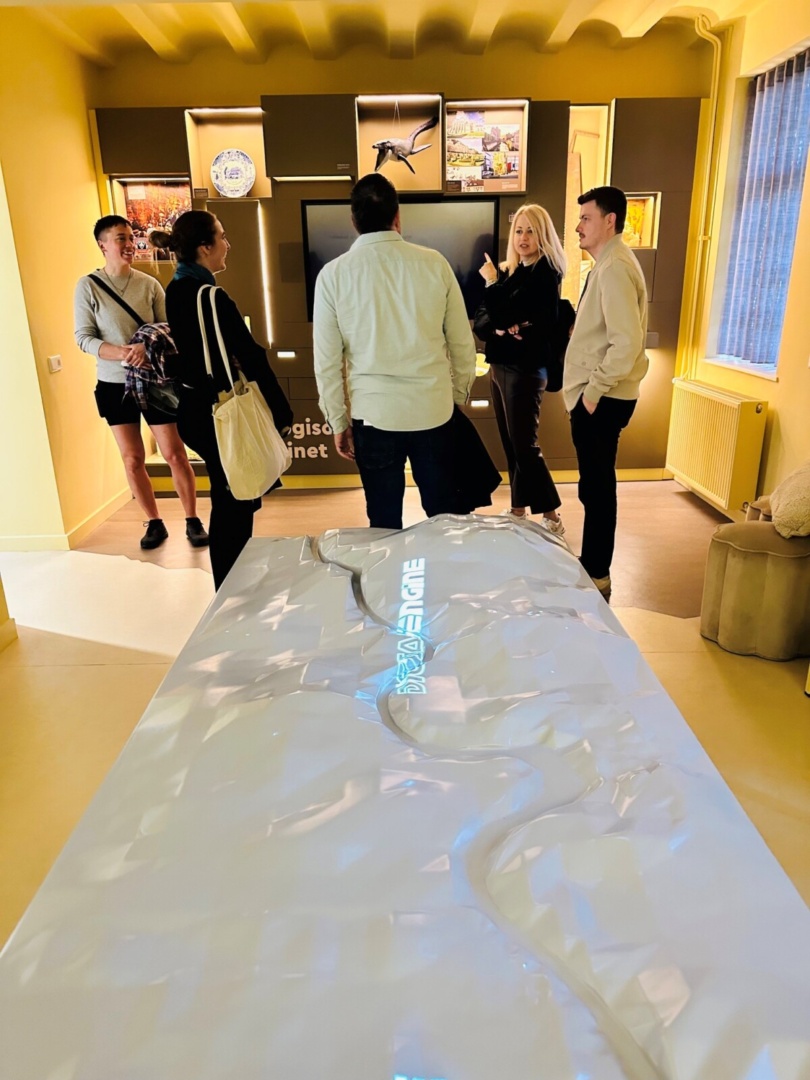
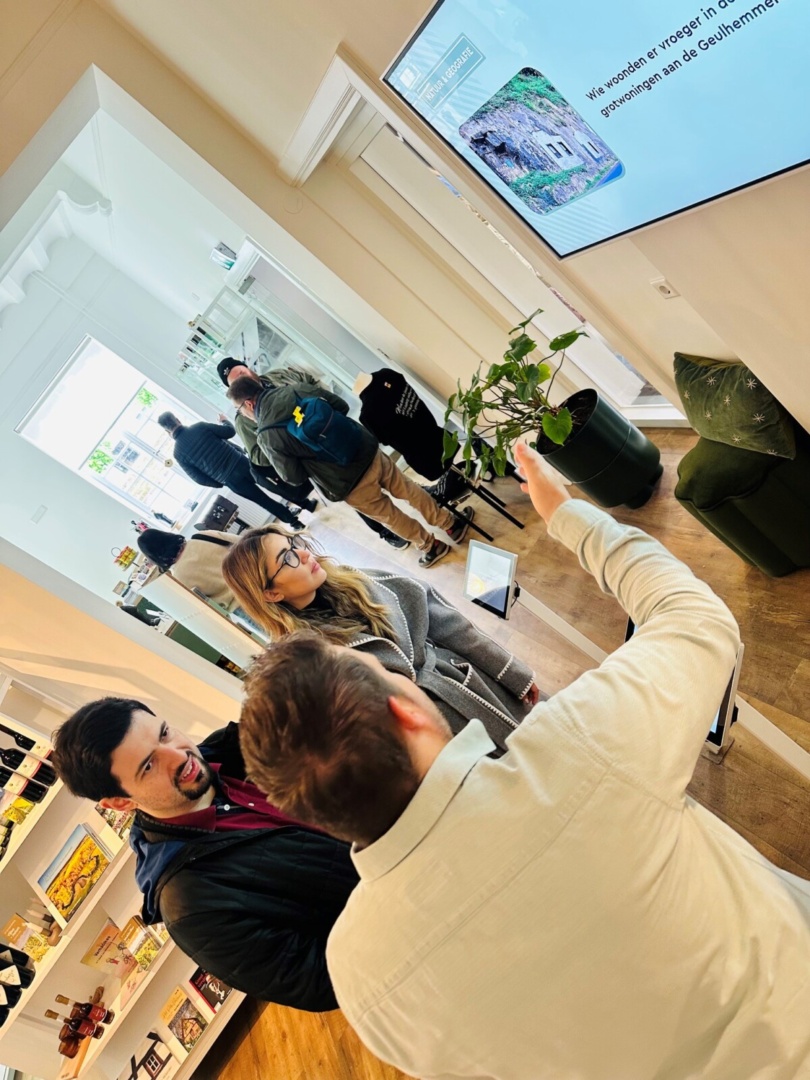
Special attention was given to the Visit Zuid-Limburg Experience Centre in the heart of Valkenburg. The centre serves as the main gateway to the region, offering visitors inspiration for discovering the area, assistance with planning routes and activities, booking services and access to digital tools for exploring Zuid-Limburg. Through interactive exhibits and storytelling, the centre brings the region’s identity to life and encourages visitors to discover lesser-known attractions and local experiences.
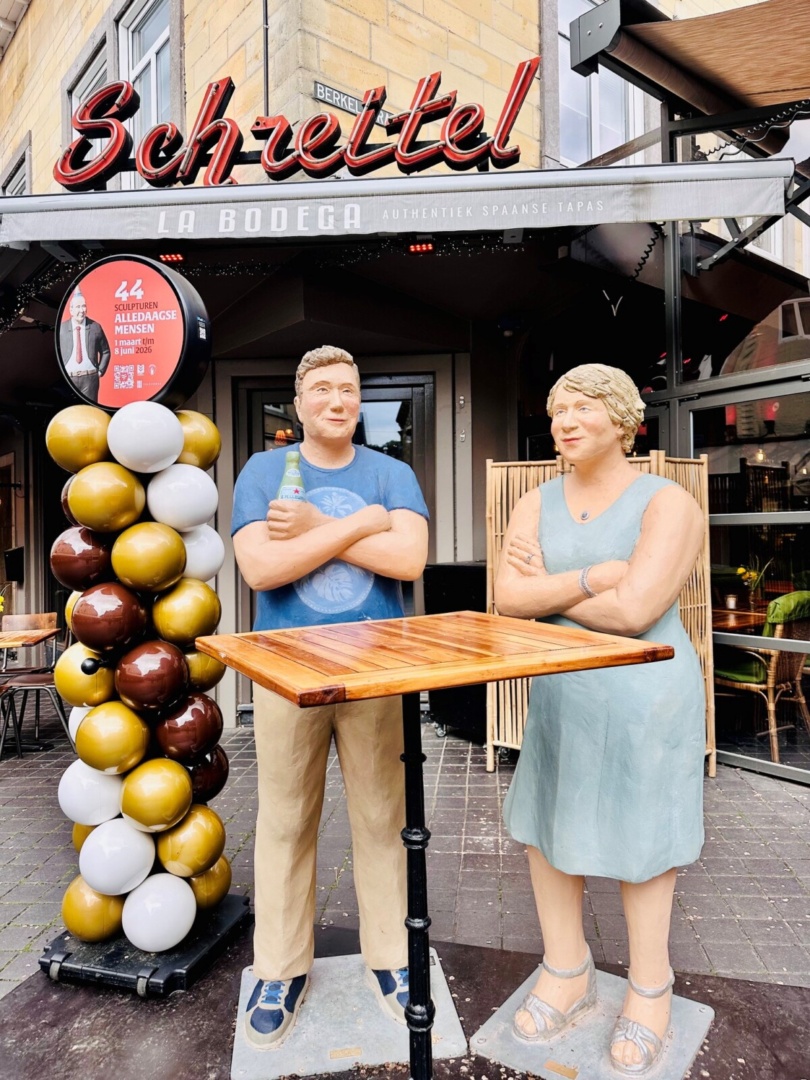
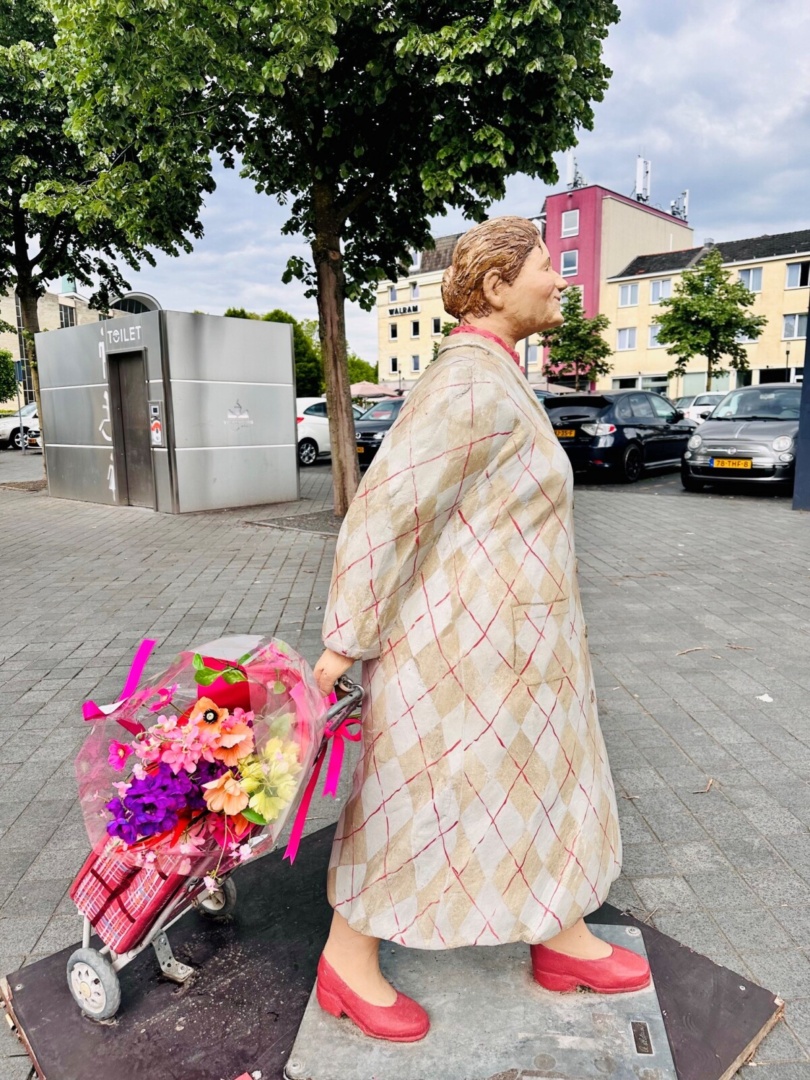
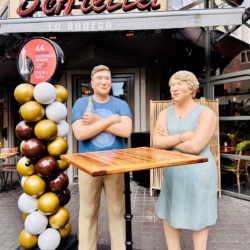
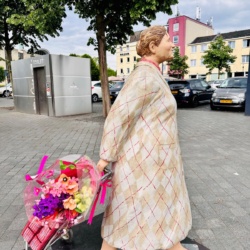
Valkenburg itself is one of the Netherlands’ most popular tourist destinations. Its picturesque city centre is characterised by historic buildings, lively squares, cosy cafés and local shops. A unique feature of the town is the outdoor art exhibition Alltagsmenschen (“Everyday People”), consisting of dozens of life-sized concrete sculptures displayed throughout the streets and squares. Created by German artists Christel and Laura Lechner, the sculptures portray people in ordinary everyday situations. Through humour and accessibility, the artworks bring art closer to the public and celebrate the beauty of moments that often go unnoticed. The sculptures create a dialogue between visitors, the town and its cultural identity, contributing significantly to Valkenburg’s unique atmosphere.
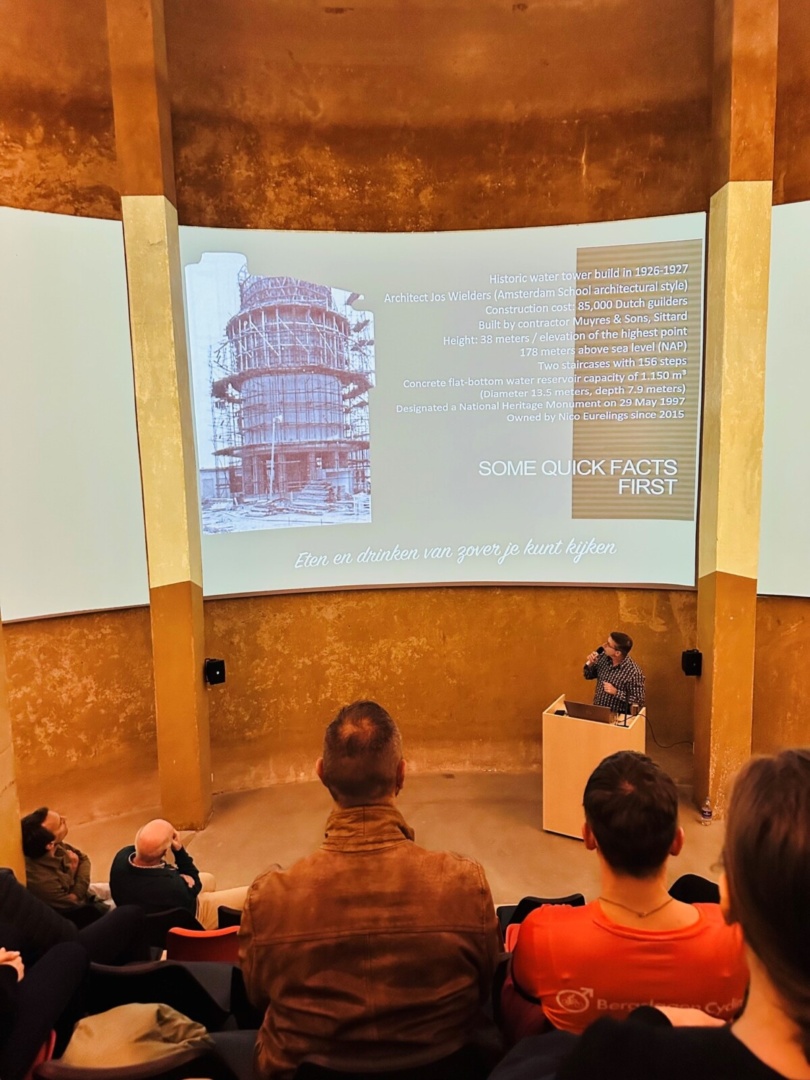
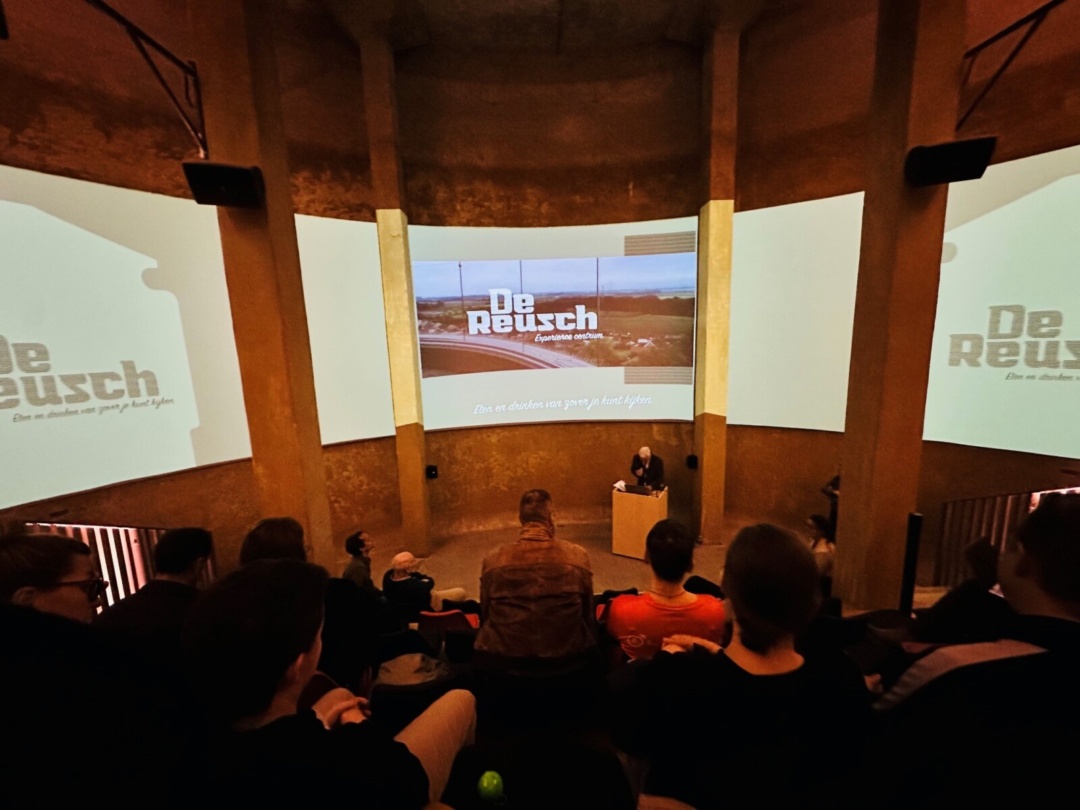
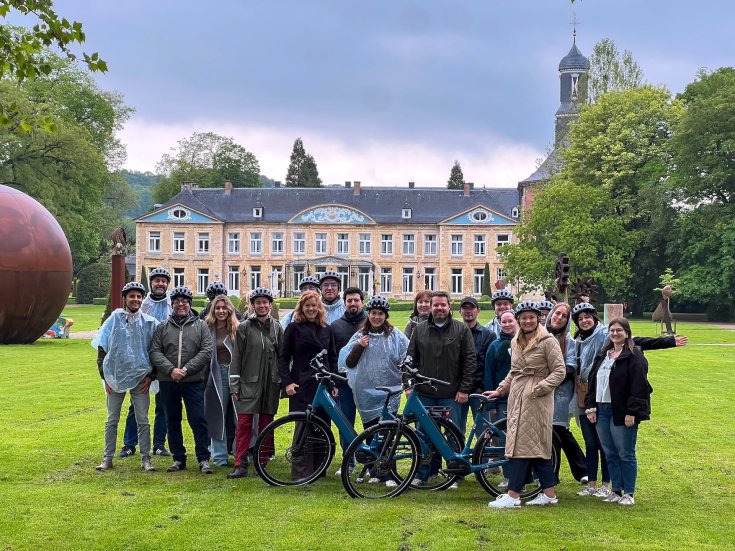
Participants also experienced the region first-hand during an e-bike tour through the rolling Zuid-Limburg landscape, ending at the iconic Watertoren de Reusch water tower. There, the group was welcomed by Nico Eurelings and Eric Geurts, Mayor of Beekdaelen. The programme also included presentations of the Limburg Dataportal and the Real Time Navigation Tool, which help tourism stakeholders and destination managers monitor visitor flows and make data-driven decisions.
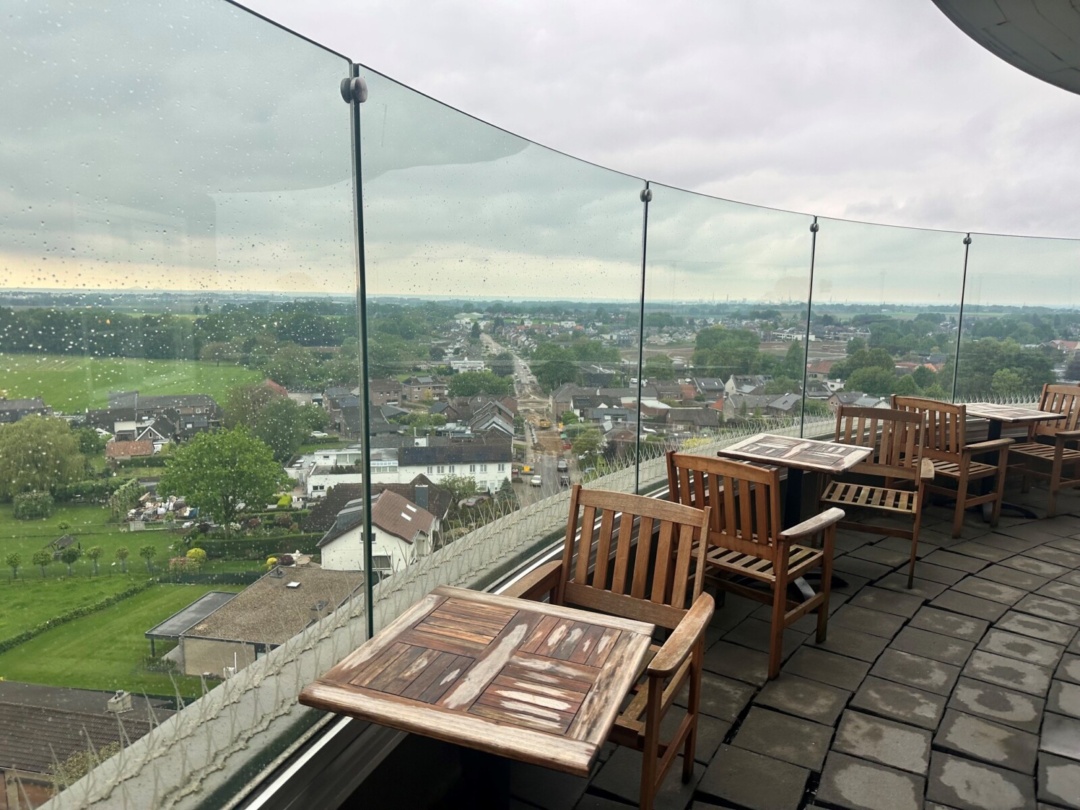
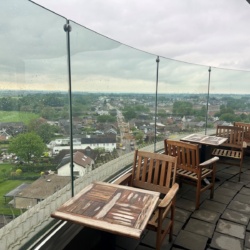
The De Reusch Water Tower in Schimmert represents one of the region’s most inspiring examples of industrial heritage revitalisation. Originally built in 1927, the former water tower has been transformed into a modern experience centre combining gastronomy, culture, business events and tourism. Visitors can enjoy a panoramic restaurant overlooking the Zuid-Limburg landscape, cultural and business facilities, interactive attractions and a variety of tourism experiences. The project demonstrates how historic infrastructure can be preserved while being given a new social and tourism-oriented purpose that remains closely connected to its history.
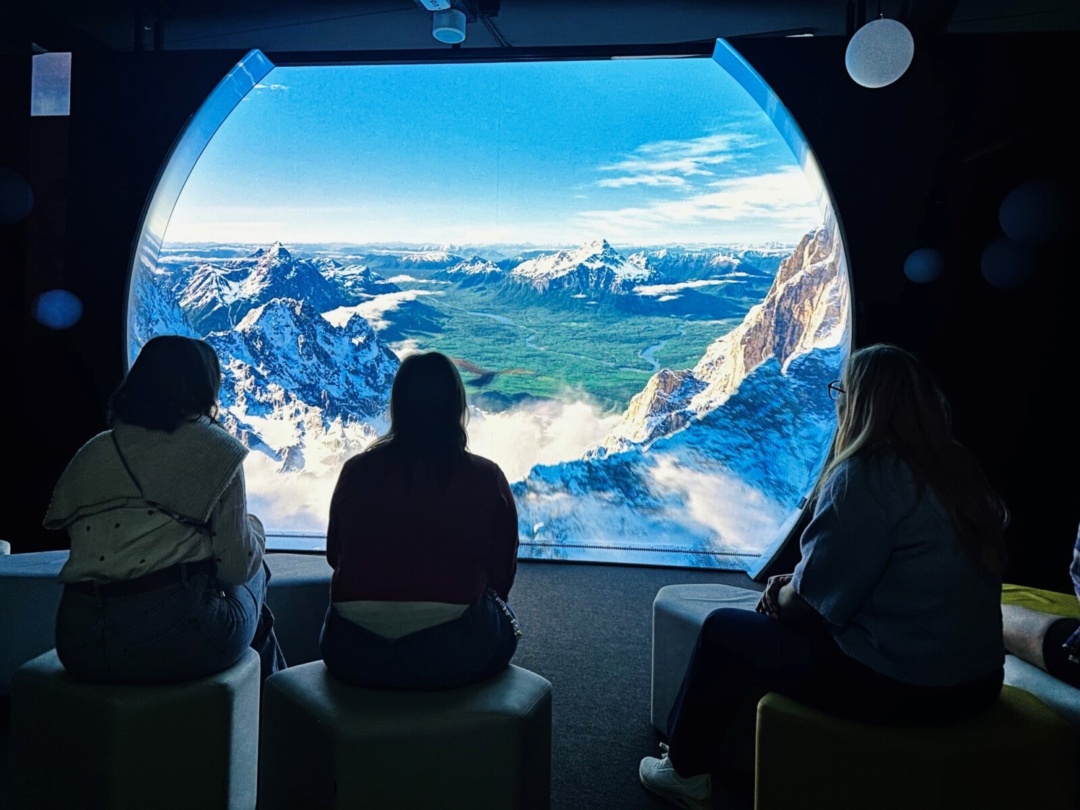
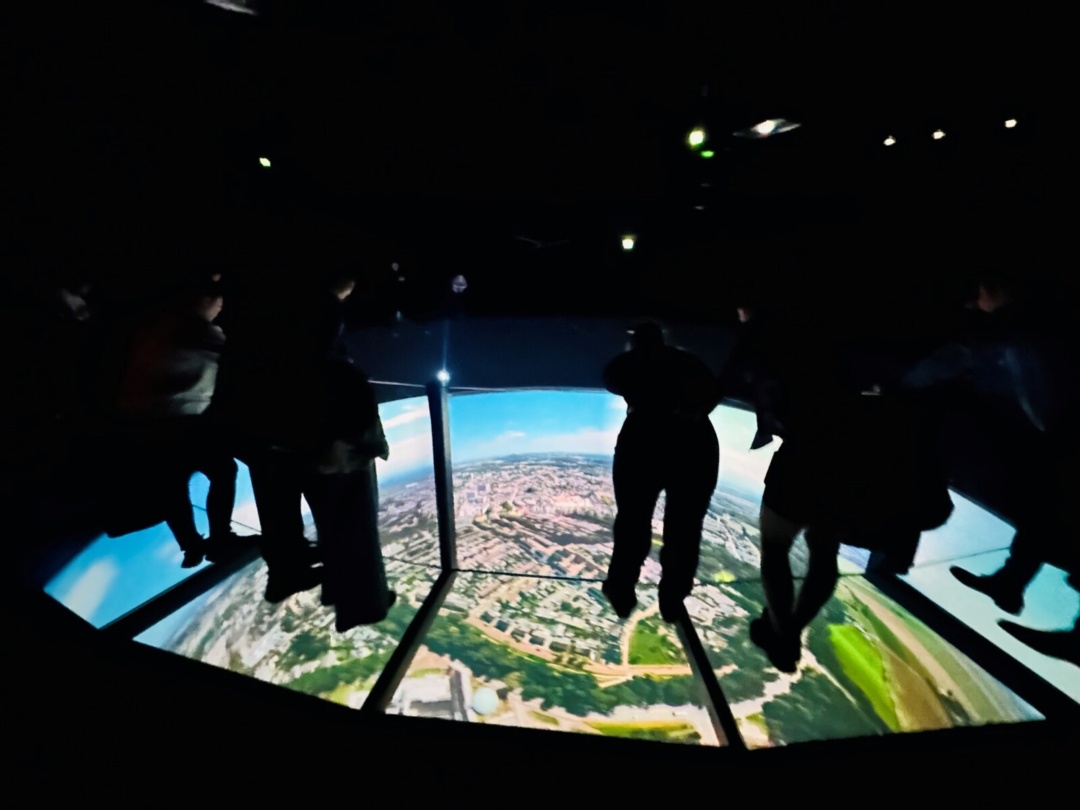
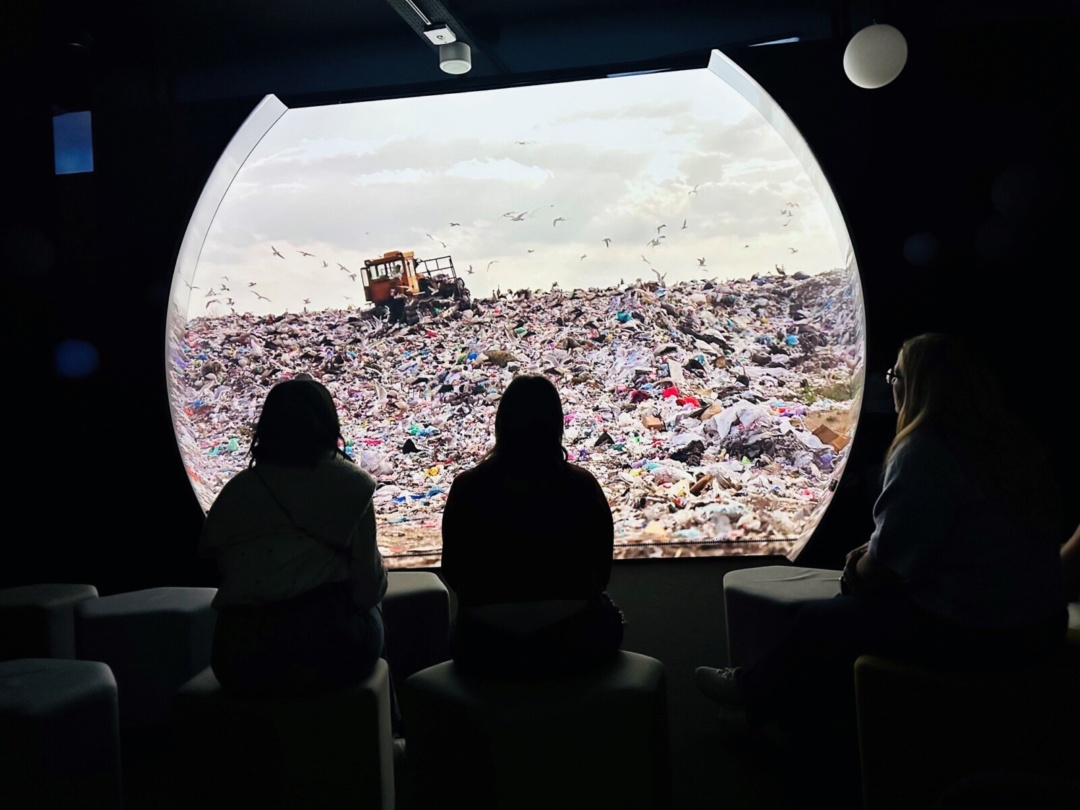
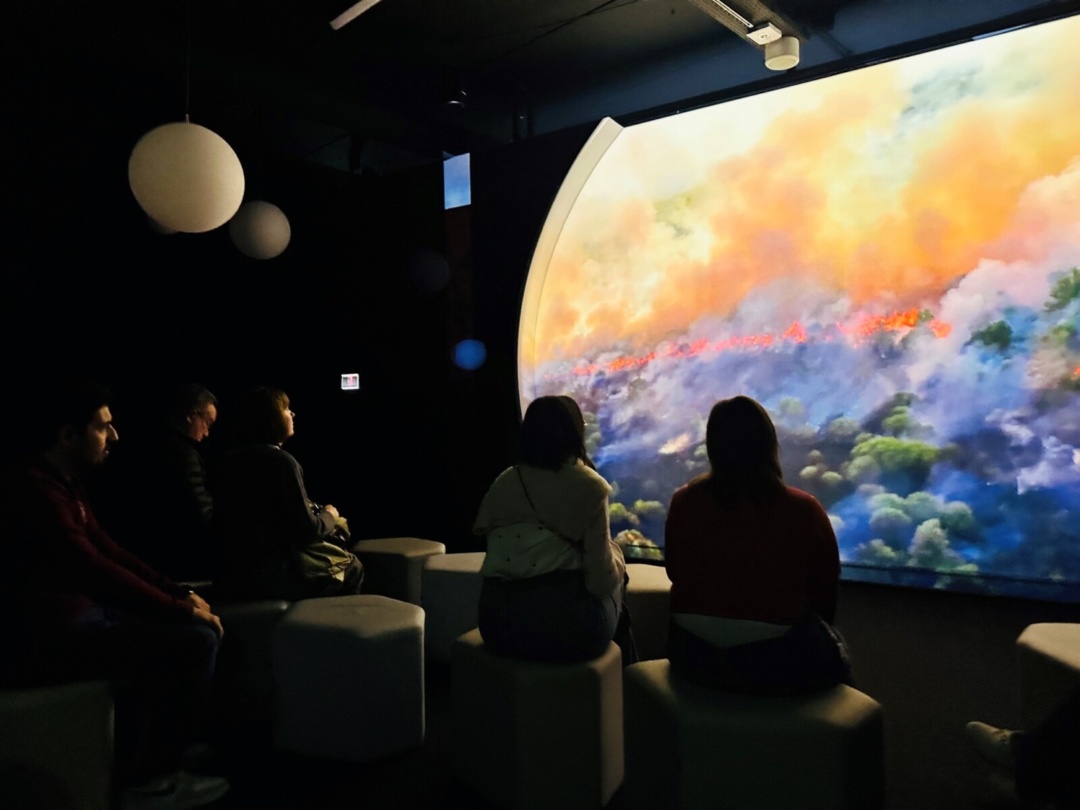
The second day of the study visit began at the Visit Zuid-Limburg Experience Centre in Valkenburg, after which the group travelled sustainably by train to Kerkrade to visit the Discovery Museum. The programme included the AI-Expo exhibition on the impact of artificial intelligence on society and innovation, as well as the immersive Revolution Earth experience, which presents the development of our planet and humanity’s impact on the environment in an engaging and interactive way.
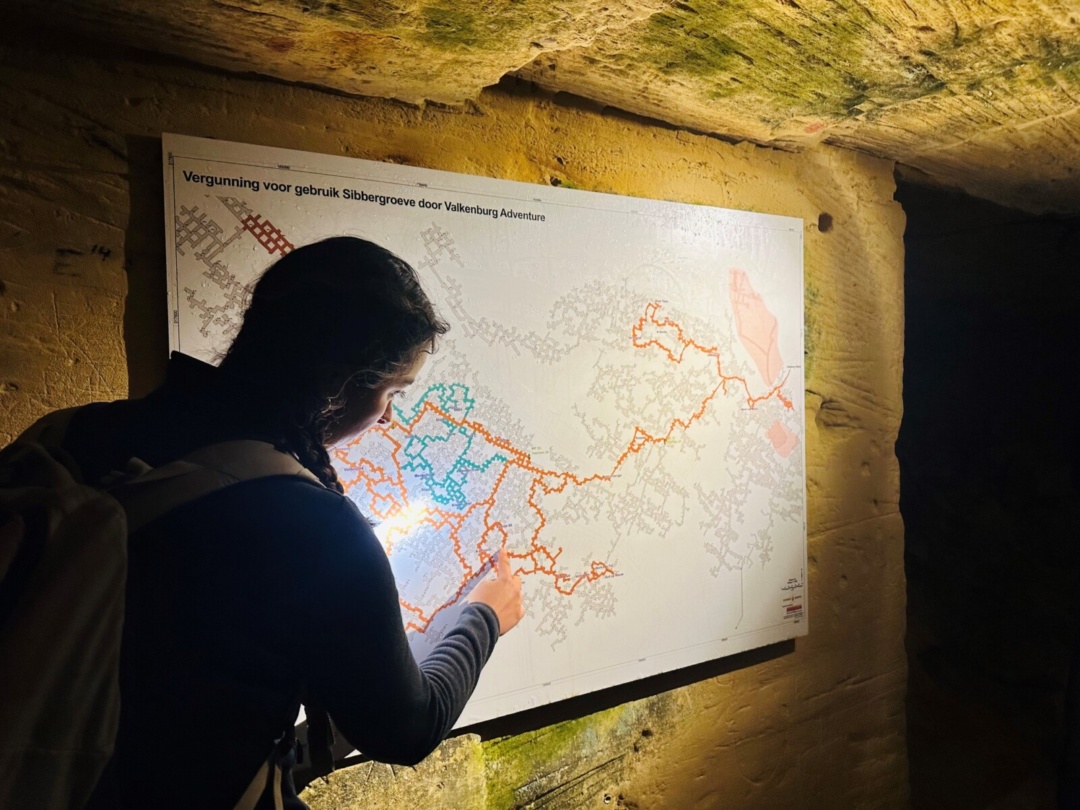
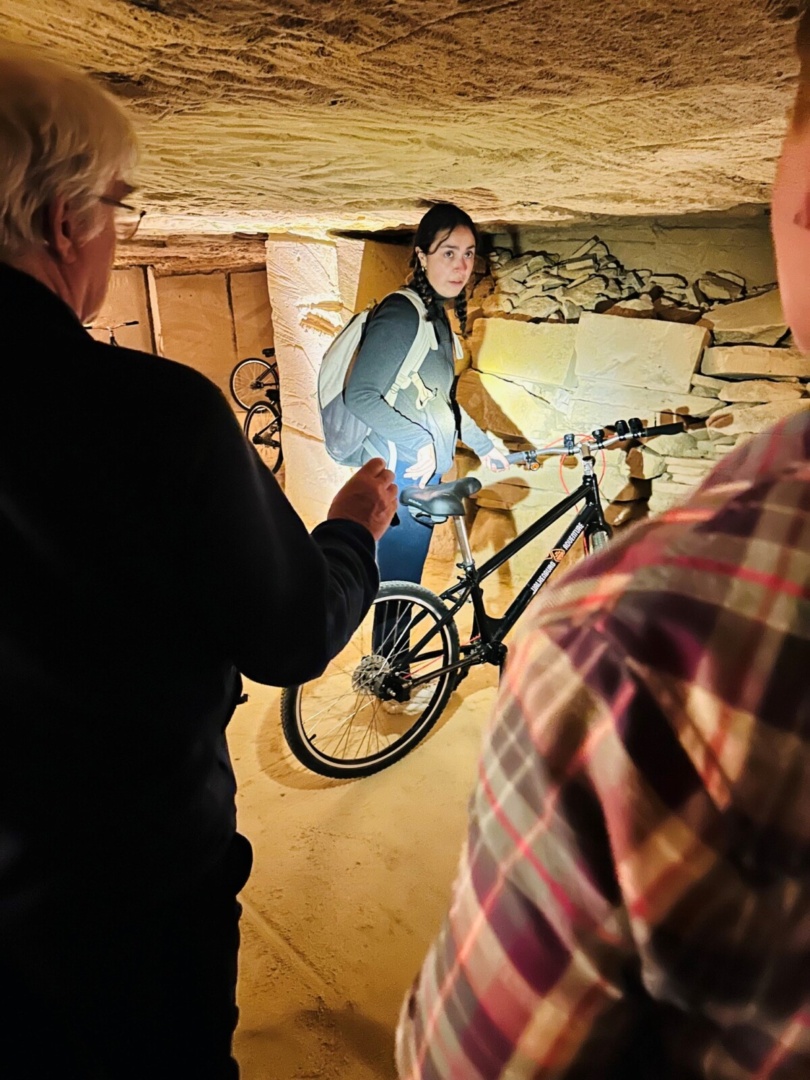
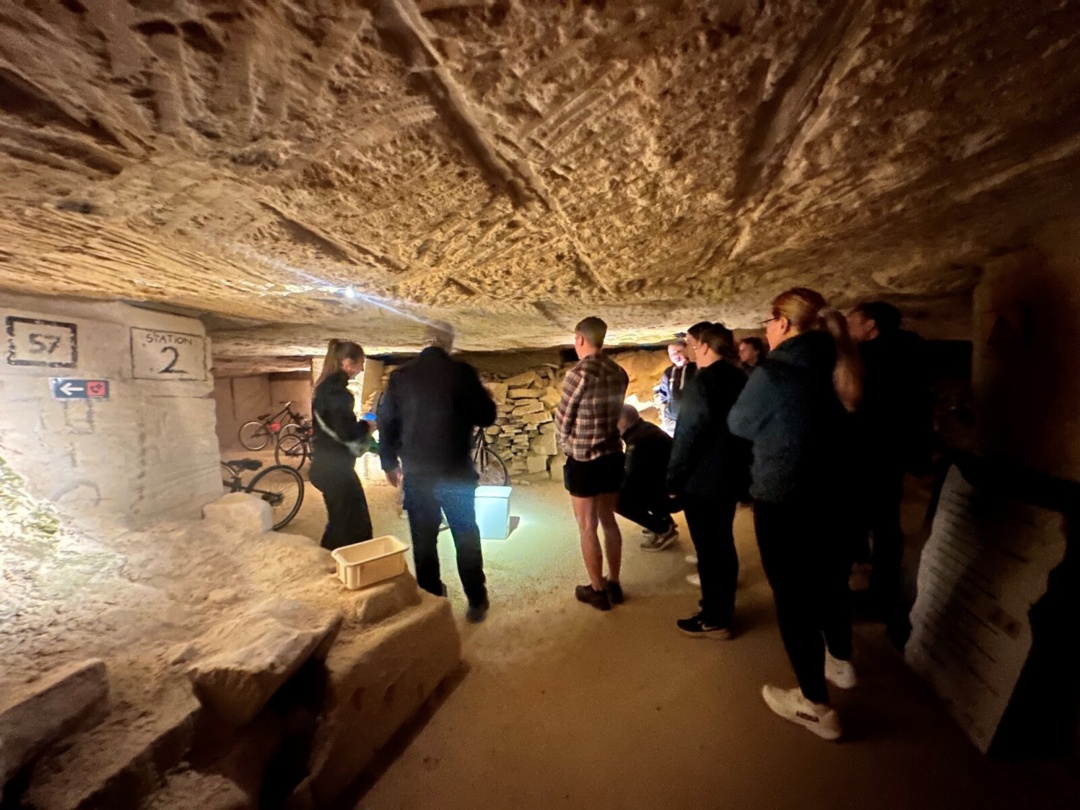
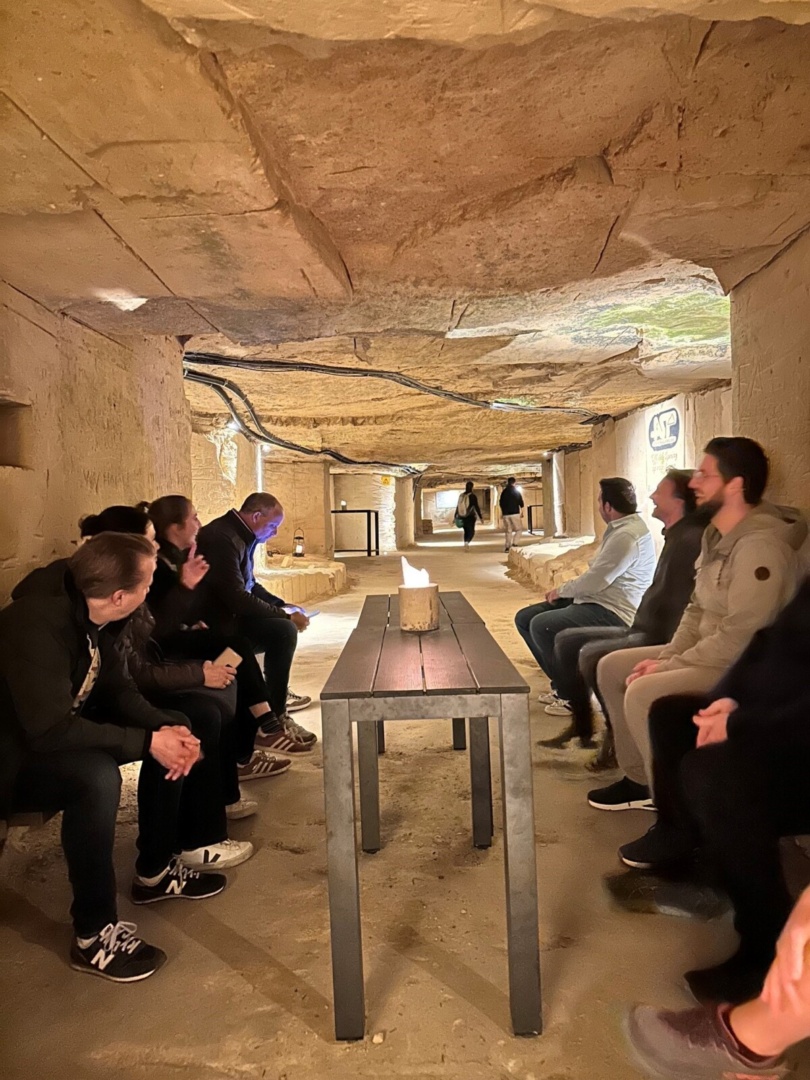
To conclude the study visit, participants enjoyed one of the region’s most unique tourism experiences – cycling through the former underground limestone quarry of Sibberg (Sibbergroeve). The extensive network of tunnels and galleries, created over centuries of limestone extraction, has become an important cultural heritage site and a popular tourist attraction. Cycling through the underground passages provided participants with a fascinating insight into the region’s history and demonstrated how industrial heritage can be successfully transformed into an attractive and sustainable tourism product.
-
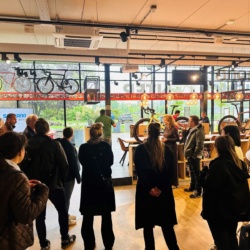 Presentation of the Shimano Experience Center in Valkenburg by Danny Nelissen, Commercial Director of the Centre.
-
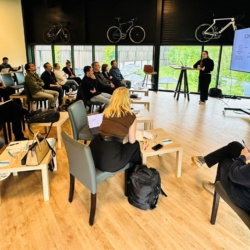 Discussion on progress in improving policy instruments, communication activities and the next steps in implementing the TAAS pilot actions.
-
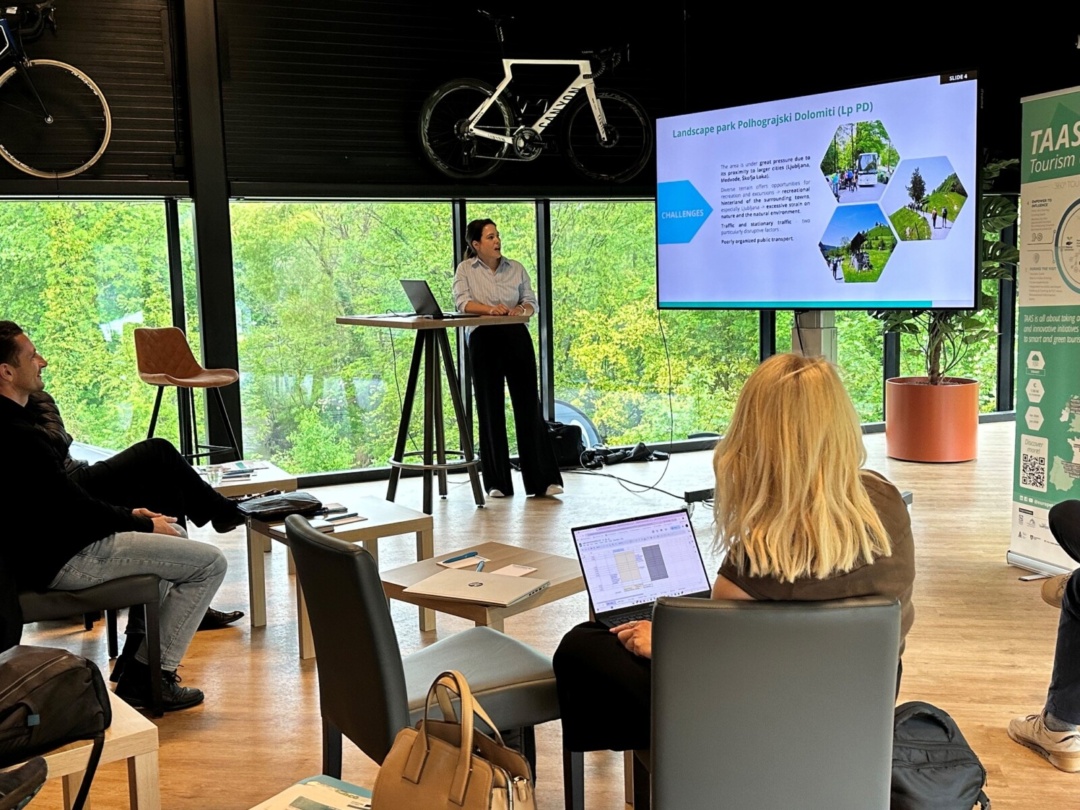
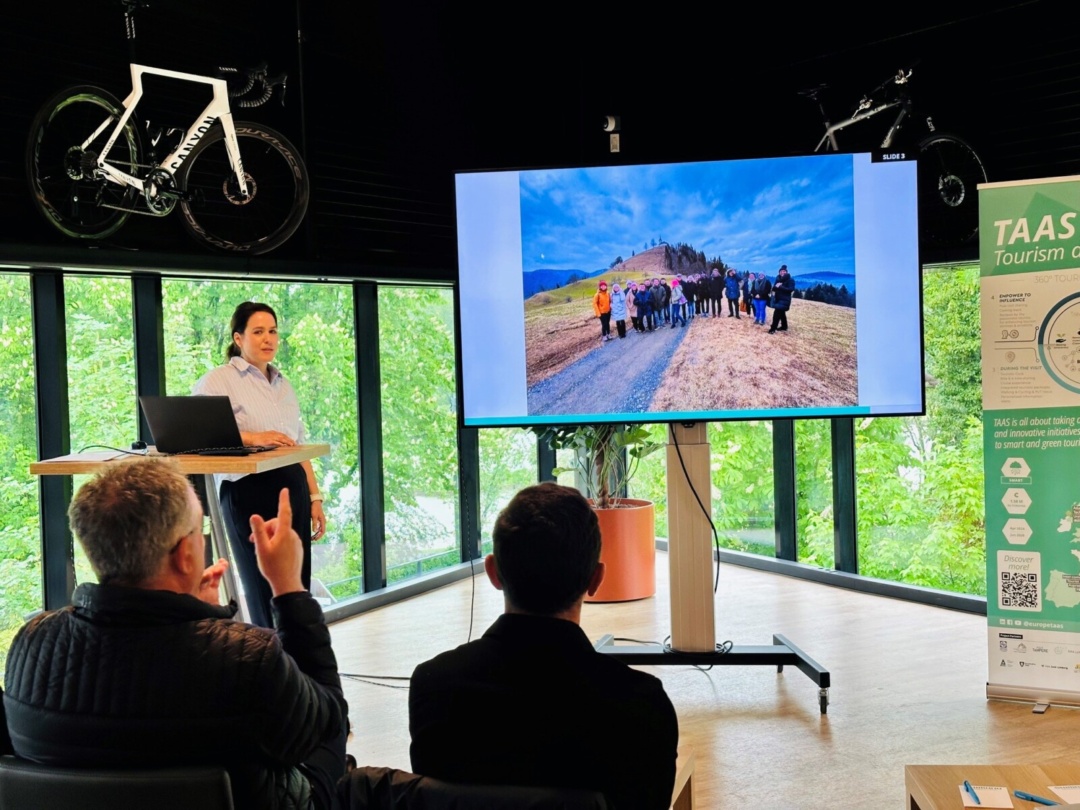
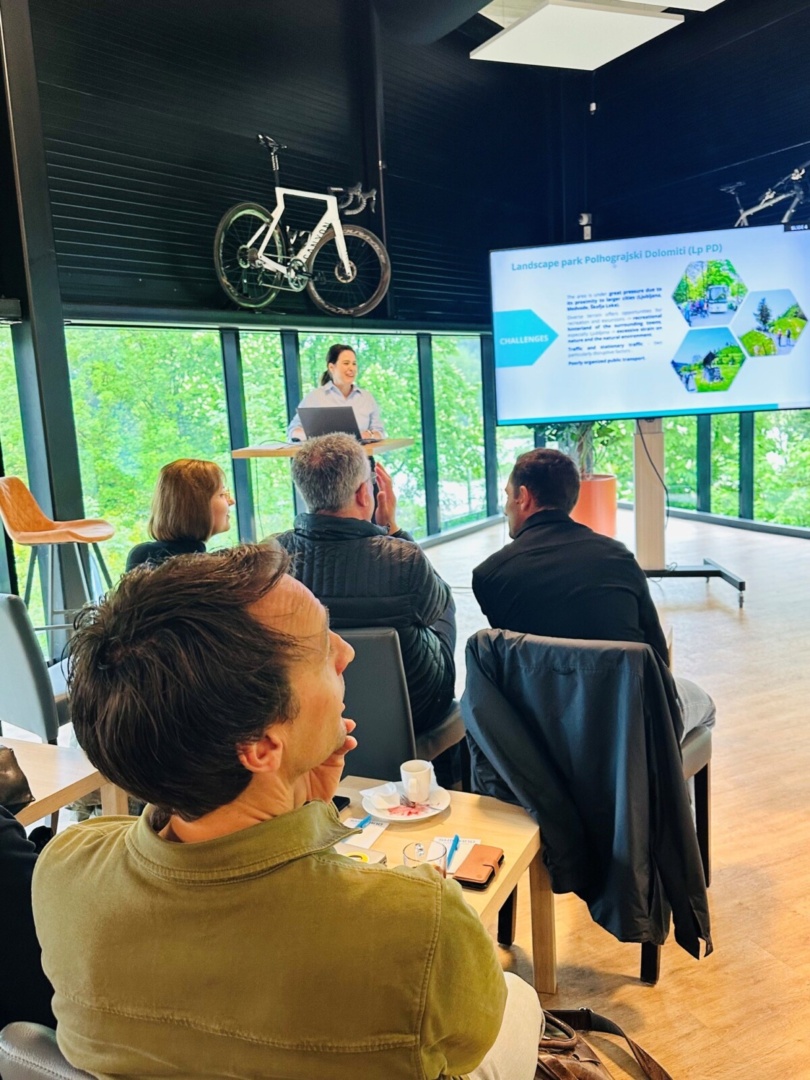
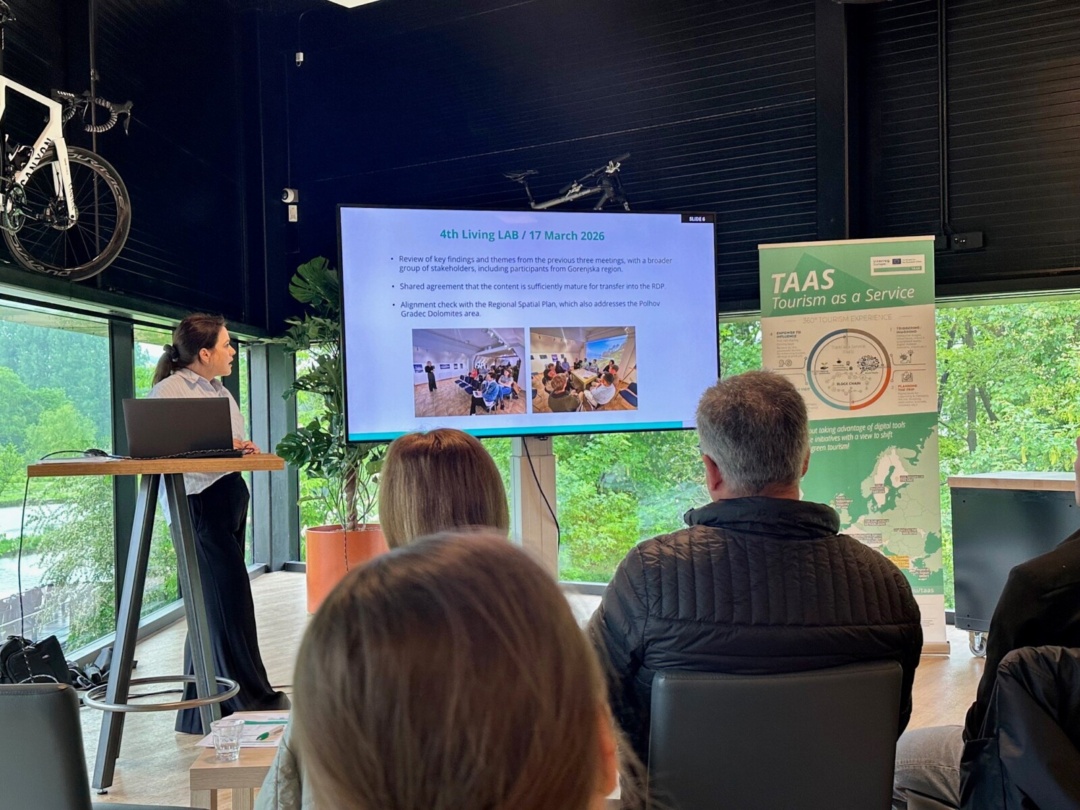
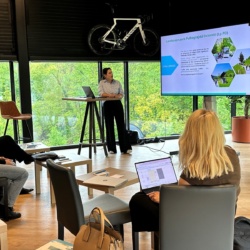 Presentation of new activities within the TAAS project by the Regional Development Agency of the Ljubljana Urban Region – Towards Sustainable Visitor Management in the Polhov Gradec Hills.
-
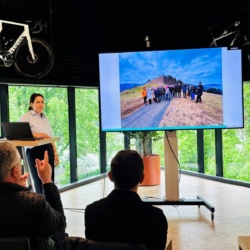 Presentation of new activities within the TAAS project by the Regional Development Agency of the Ljubljana Urban Region – Towards Sustainable Visitor Management in the Polhov Gradec Hills.
-
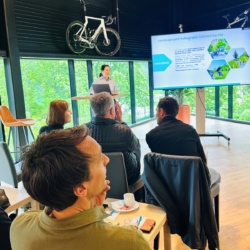 Presentation of new activities within the TAAS project by the Regional Development Agency of the Ljubljana Urban Region – Towards Sustainable Visitor Management in the Polhov Gradec Hills.
-
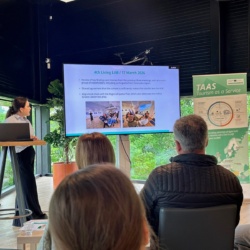 Presentation of new activities within the TAAS project by the Regional Development Agency of the Ljubljana Urban Region – Towards Sustainable Visitor Management in the Polhov Gradec Hills.
-
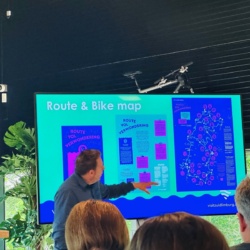 Discussion on progress in improving policy instruments, communication activities and the next steps in implementing the TAAS pilot actions.
-
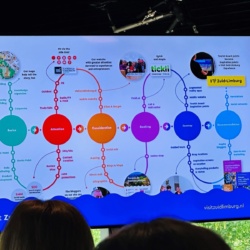 Discussion on progress in improving policy instruments, communication activities and the next steps in implementing the TAAS pilot actions.
-
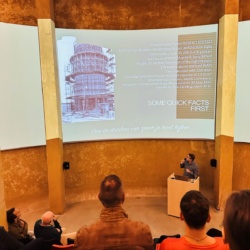 The former Watertoren de Reusch water tower, transformed into a modern venue with new cultural and educational facilities complemented by a café and restaurant.
-
-
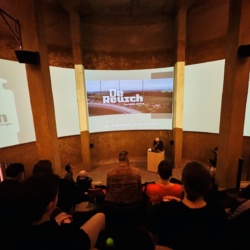 The former Watertoren de Reusch water tower, transformed into a modern venue with new cultural and educational facilities complemented by a café and restaurant.
-
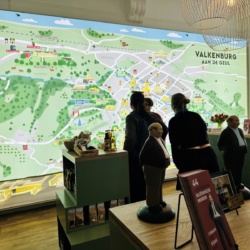 Visit Zuid-Limburg Experience Tourist Information Centre.
-
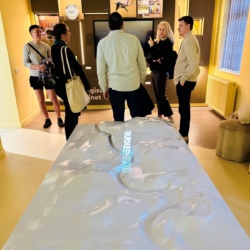 Visit Zuid-Limburg Experience Tourist Information Centre.
-
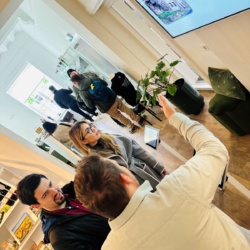 Visit Zuid-Limburg Experience Tourist Information Centre.
-
-
-
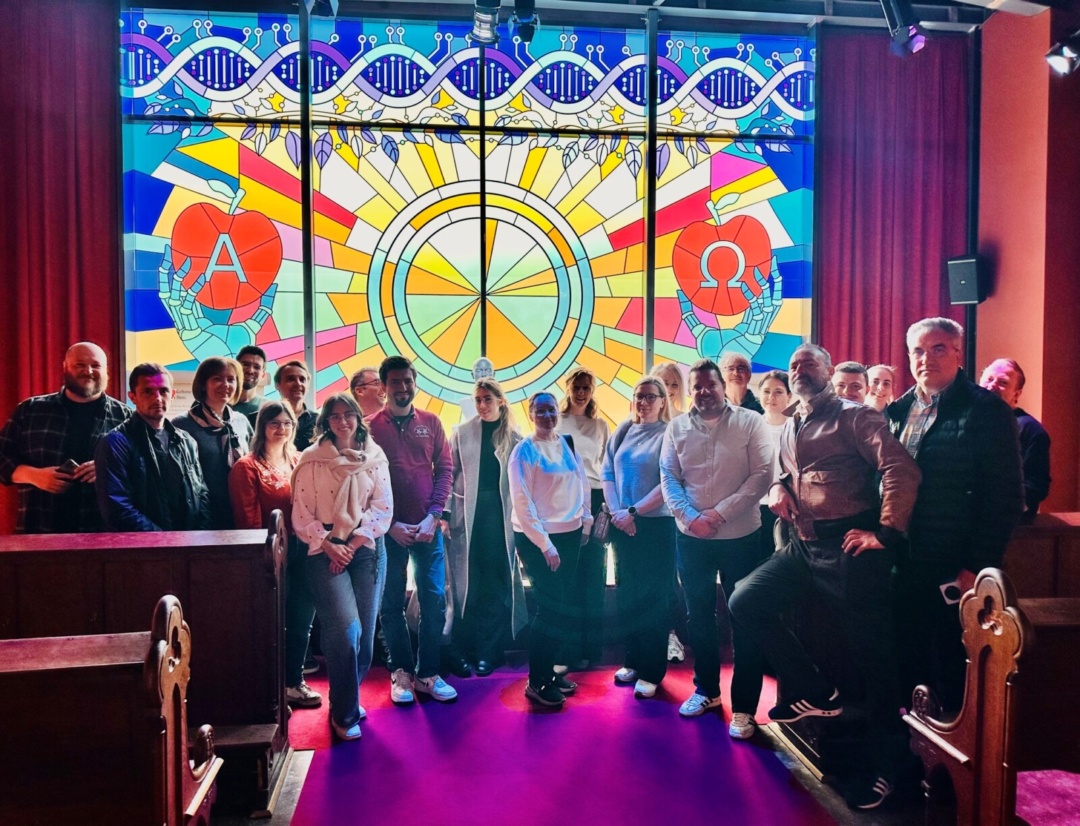
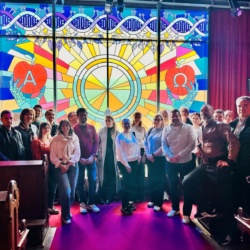 Group photo of TAAS project partners at the Discovery Museum in Kerkrade - AI: The Expo – an exhibition exploring the impact of artificial intelligence on society and innovation.
-
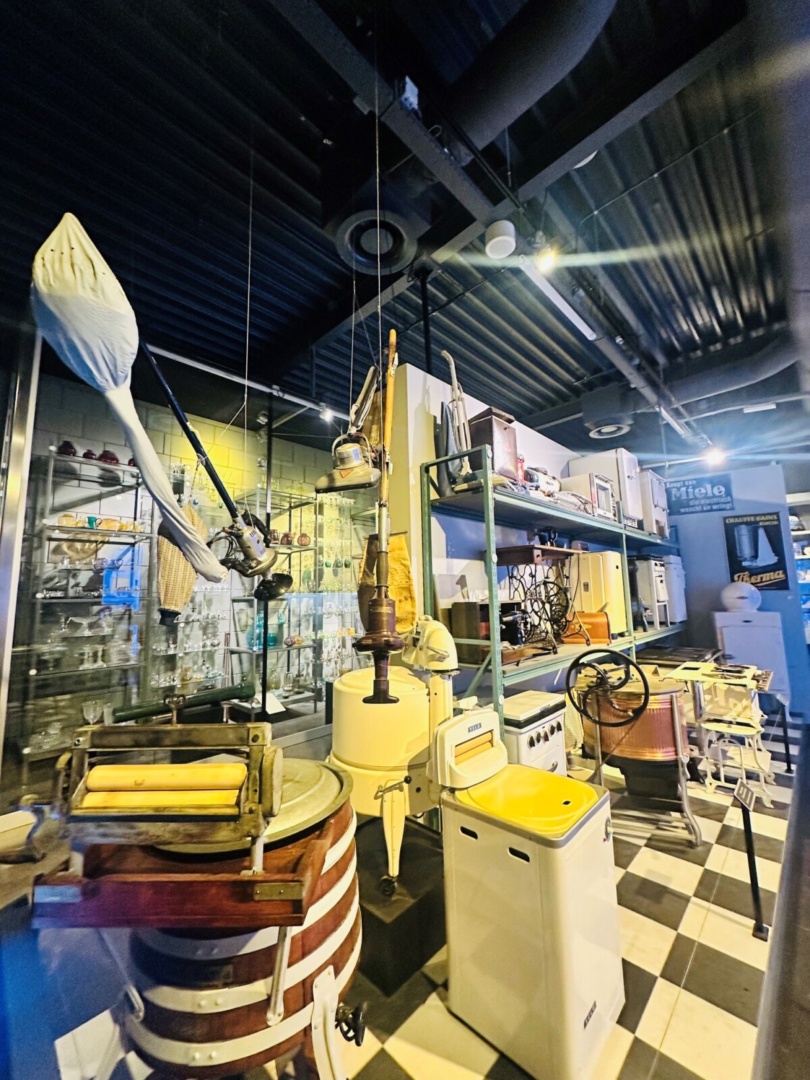
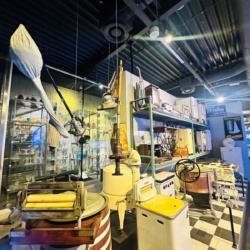 Discovery Museum Kerkrade
-
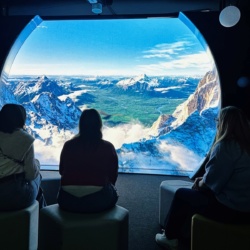 Discovery Museum Kerkrade – the immersive multimedia experience “Revolution Earth”, taking visitors on a journey through the history and future of our planet.
-
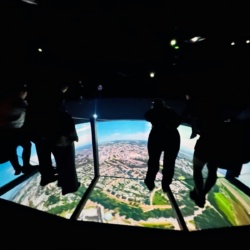 Discovery Museum Kerkrade – the immersive multimedia experience “Revolution Earth”, taking visitors on a journey through the history and future of our planet.
-
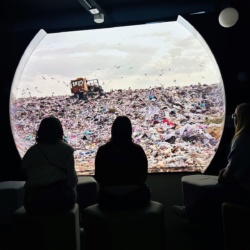 Discovery Museum Kerkrade – the immersive multimedia experience “Revolution Earth”, taking visitors on a journey through the history and future of our planet.
-
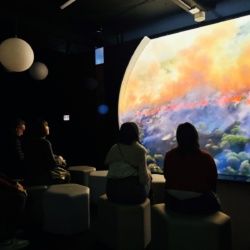 Discovery Museum Kerkrade – the immersive multimedia experience “Revolution Earth”, taking visitors on a journey through the history and future of our planet.
-
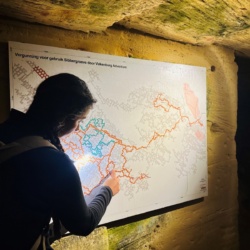 The region’s most unique tourism experiences – cycling through the former underground limestone quarry of Sibberg.
-
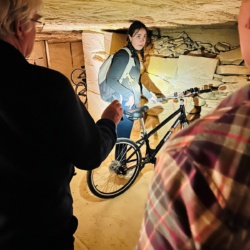 The region’s most unique tourism experiences – cycling through the former underground limestone quarry of Sibberg.
-
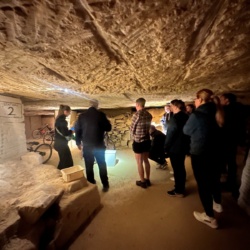 The region’s most unique tourism experiences – cycling through the former underground limestone quarry of Sibberg.
-
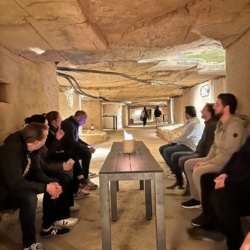 The region’s most unique tourism experiences – cycling through the former underground limestone quarry of Sibberg.
-
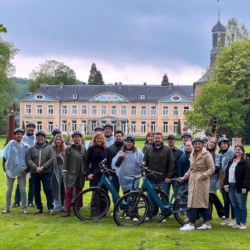
- project TAAS: Tourism as a Service; a 360 degrees tourism experience