A New Approach to Energy Efficiency from Ljubljana to Europe
Ljubljana is developing a new model of healthy comfort and energy efficiency that will not only improve the quality of life in our public buildings but also support other European cities in their green transition. In June, the EffiComfort project partnership welcomed representatives from three cities – from Spain, Romania and Hungary – who are following the development of the model with the aim of thoughtfully adapting it to their own local contexts. The Regional Development Agency of the Ljubljana Urban Region (RRA LUR) contributes to the co-creation of the project’s innovative model while leading its communication, dissemination and capitalisation activities.
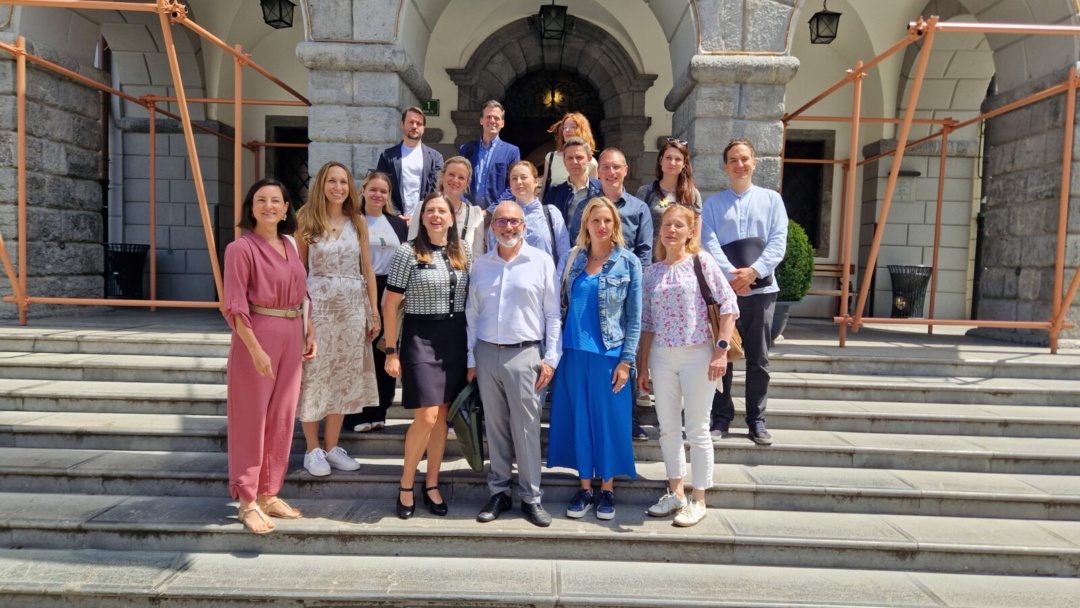
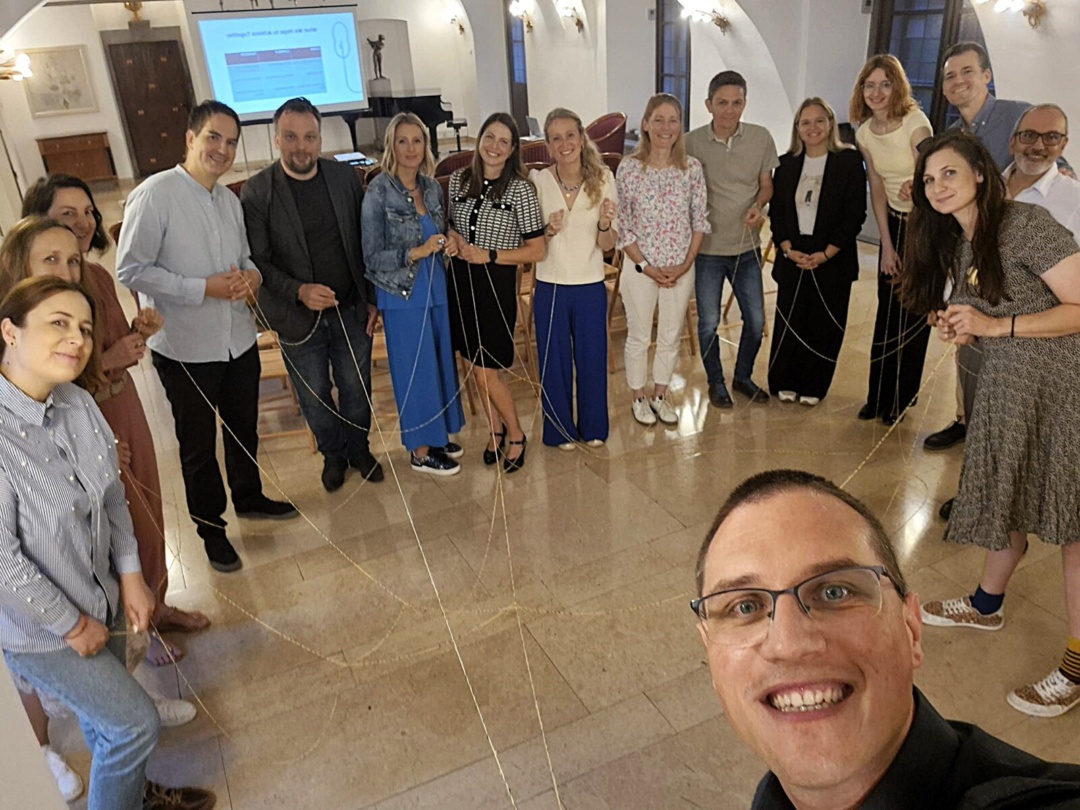
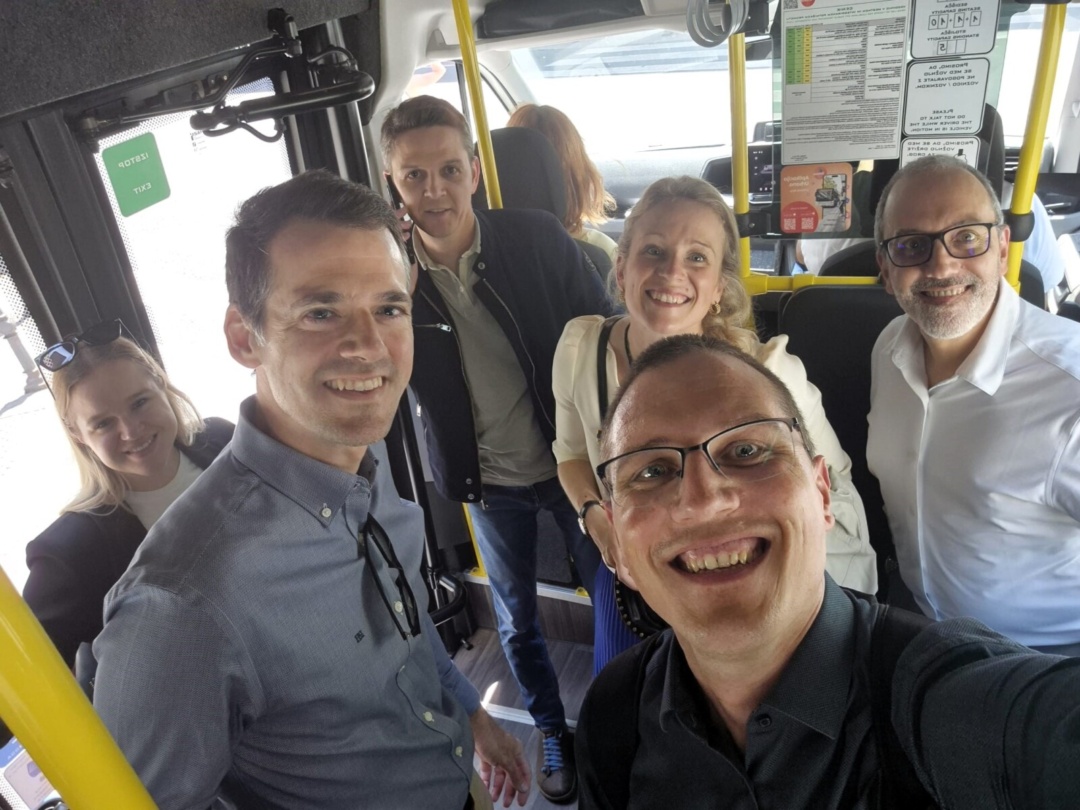
From 16 to 18 June 2026, the City of Ljubljana hosted representatives of the cities of Getafe (Spain), Roman (Romania) and Szombathely (Hungary), who will, over the coming years, follow the development of new energy management practices through which Ljubljana aims to improve indoor environmental quality in public buildings, support building users’ health and well-being, and at the same time achieve significant energy savings.
“It is not enough to have smart public buildings – we also need to use and manage them intelligently. There is still significant untapped potential in this area. Through the EffiComfort project, we will advance the energy management of public buildings in Ljubljana by placing occupants’ comfort at its core. The new model, which we will co-create with experts and building users, will be adaptable for other European cities as well.”
Petra Šeme, Head of the Energy Management Department, City of Ljubljana
A model designed for many cities
EffiComfort is supported by the European Urban Initiative (EUI) and is implemented by the City of Ljubljana together with five expert organisations specialising in energy, building management, public participation and public health. Working closely with building users and the professional community, the partnership is developing a new Comfort as a Service (CaaS) model that combines energy efficiency with health, well-being and indoor environmental quality. The pilot activities are taking place in two primary schools and one multi-apartment building in Ljubljana, but their ambition goes far beyond these individual buildings.
The project aims to develop an approach that can be adapted to different building types in Ljubljana and replicated in other European cities.
“Innovation is not only technological; it can and should also be social. Procedures, diagnostic methods, approaches and ways of engaging people are all transferable elements that Getafe and other cities can adapt to their own local contexts.”
Fernando González Ferreira, Projects and Innovation Manager, City of Getafe, Spain
Learning from pilot sites and Ljubljana’s good practices
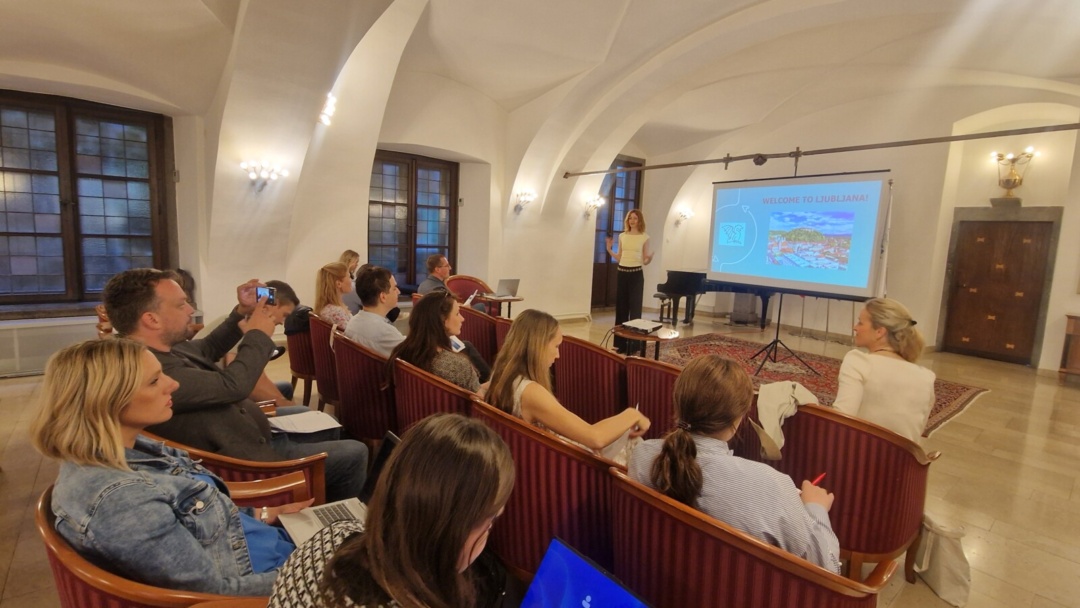
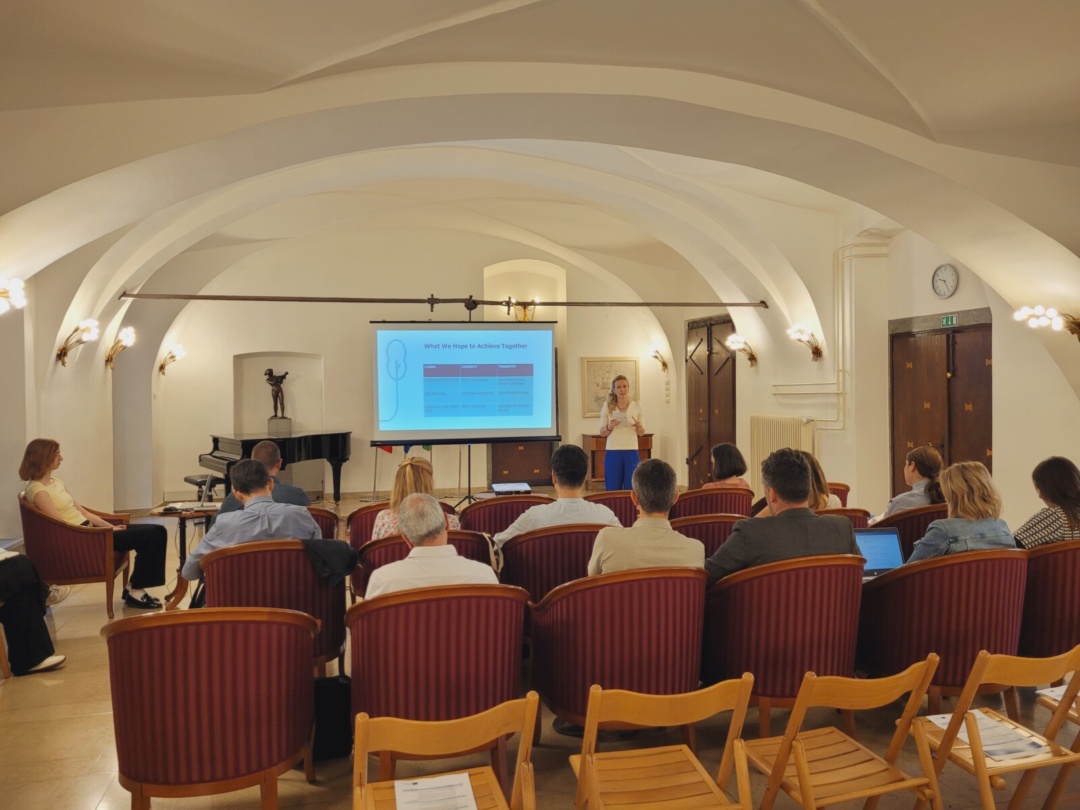
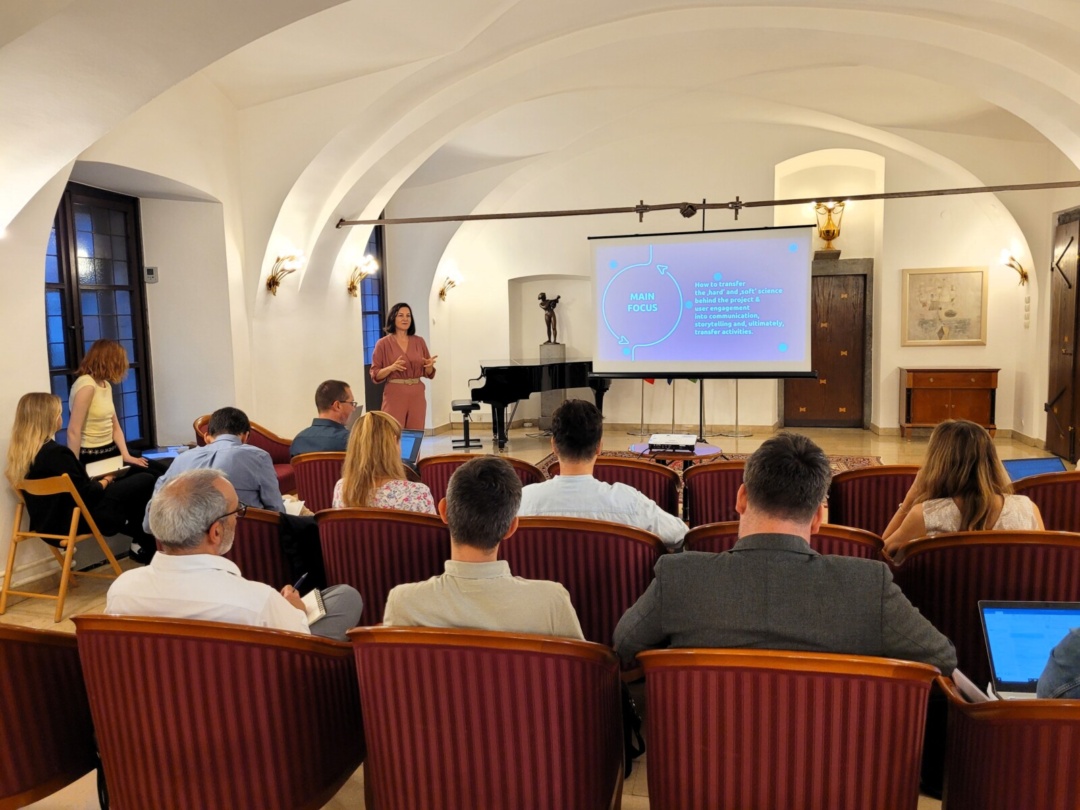
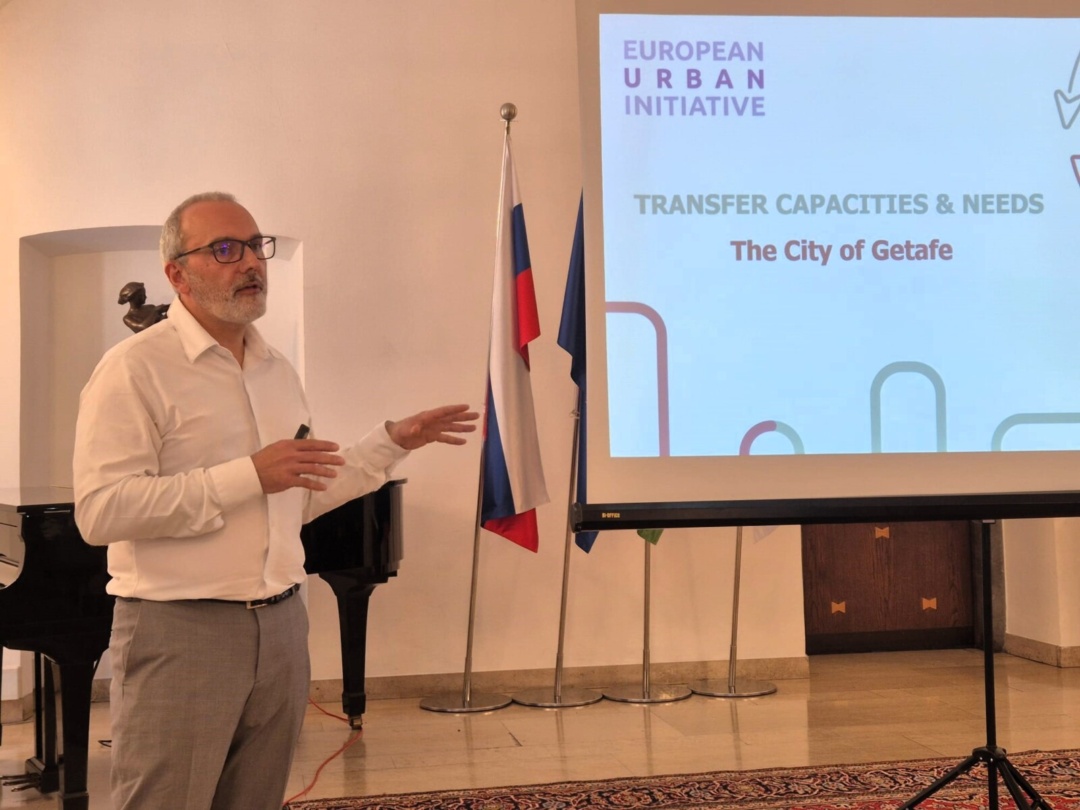
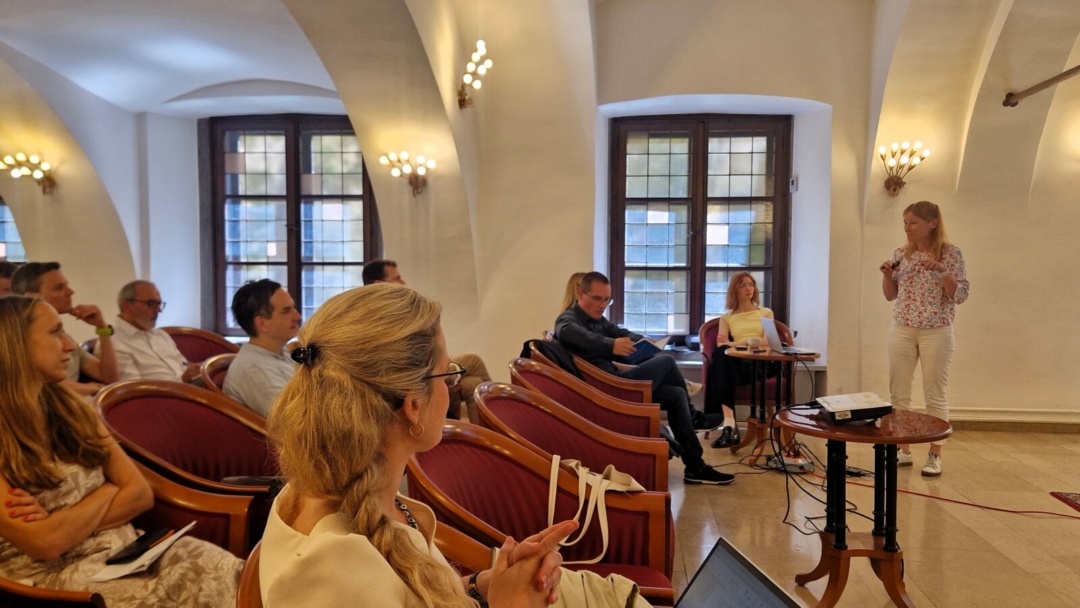
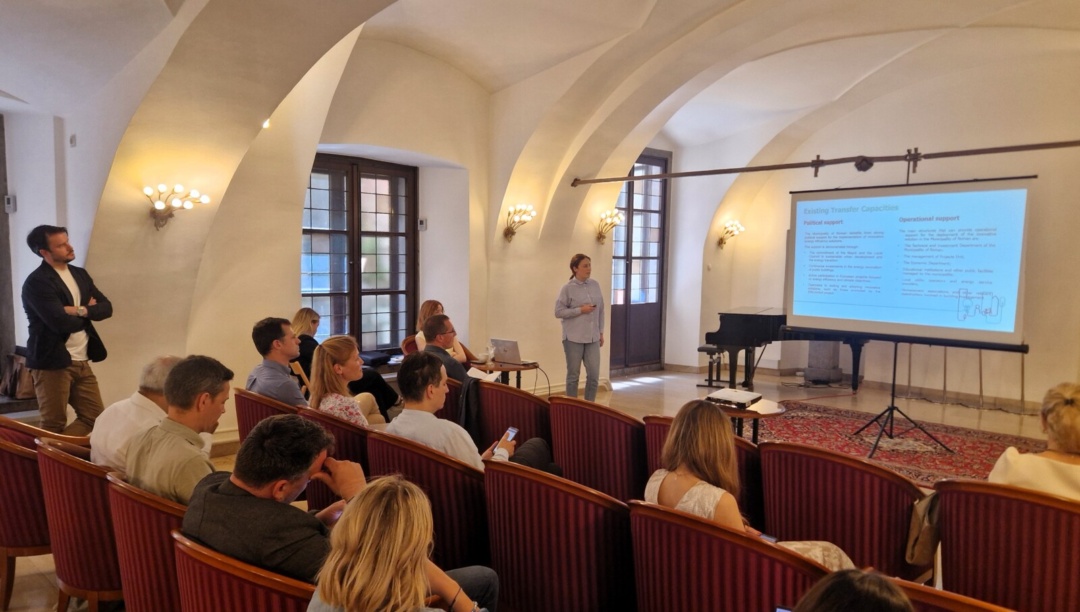
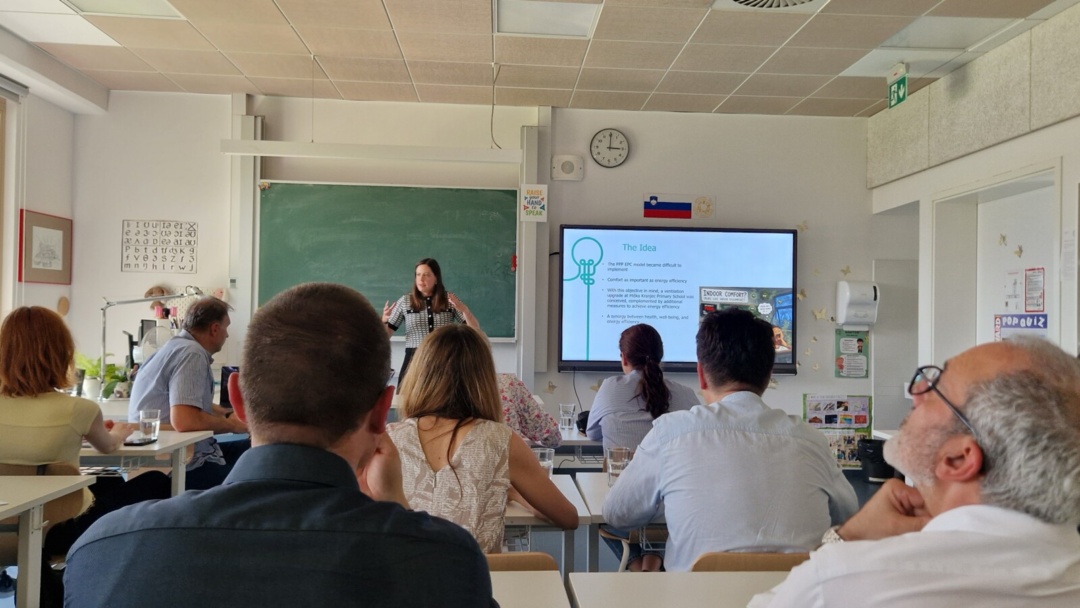
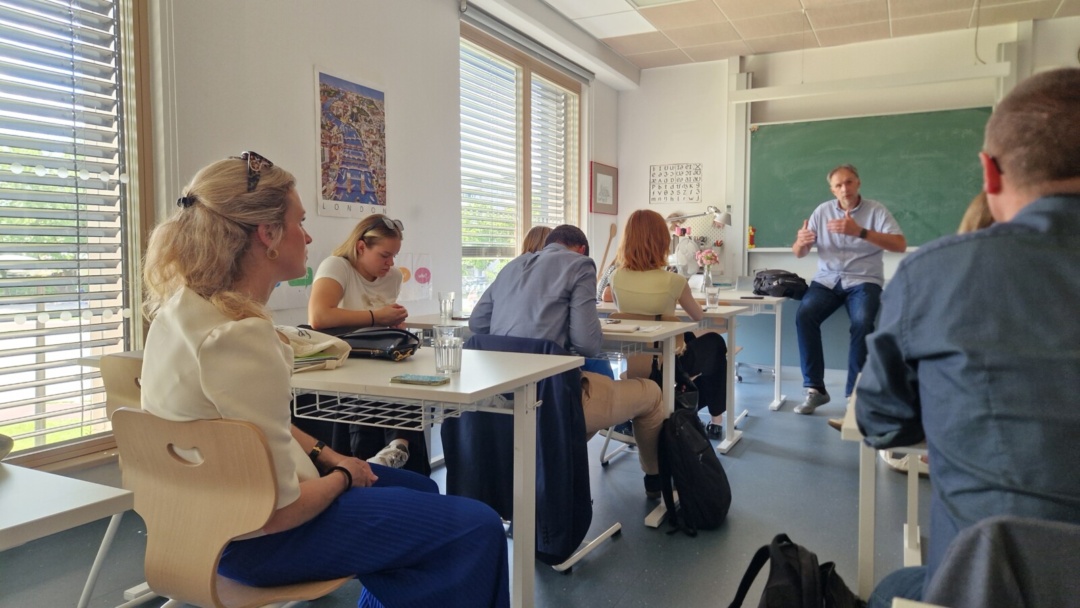
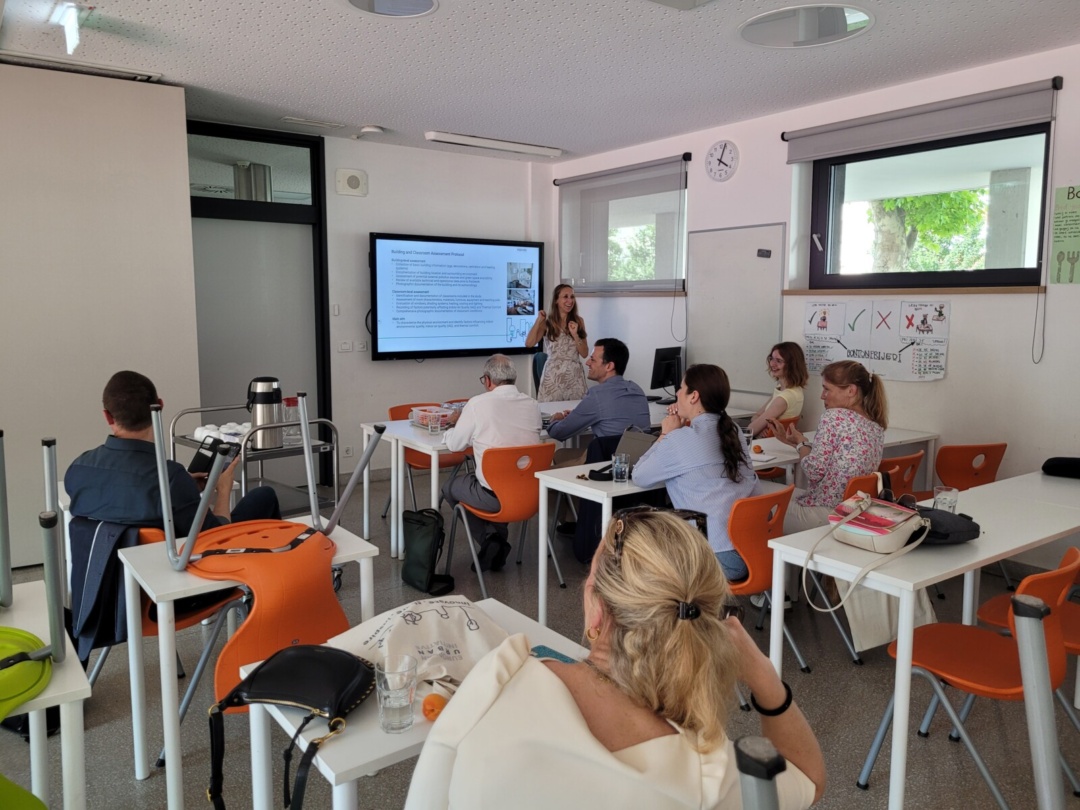
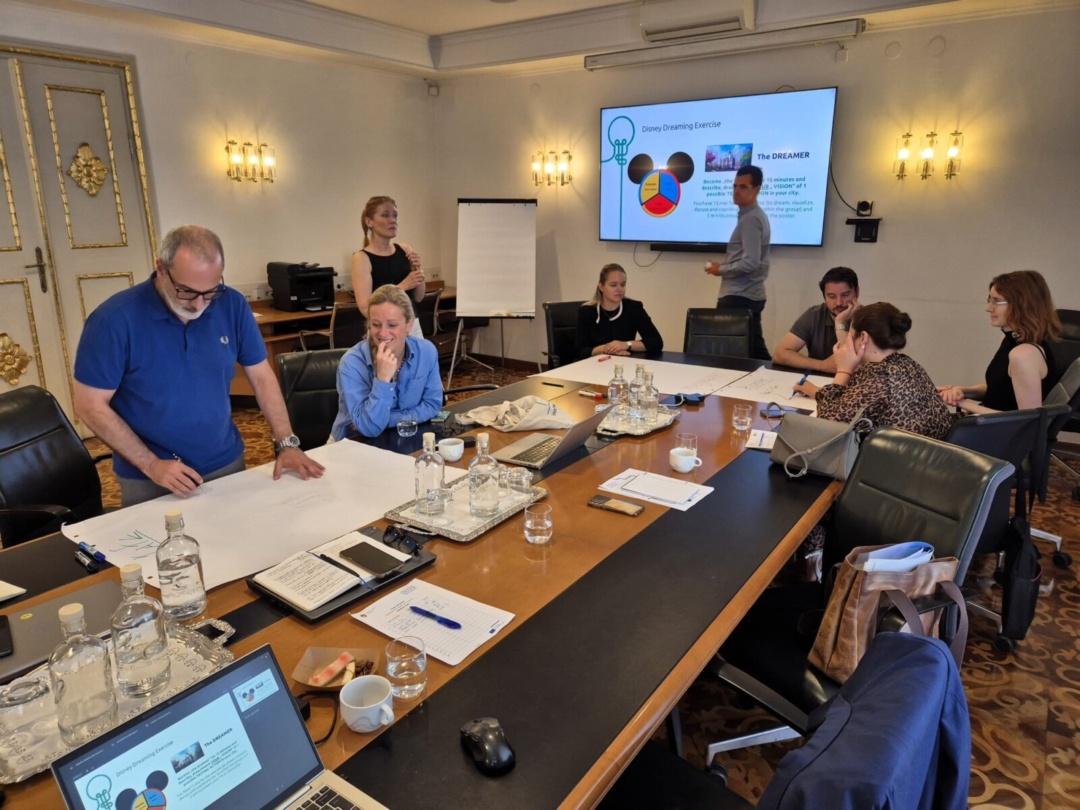
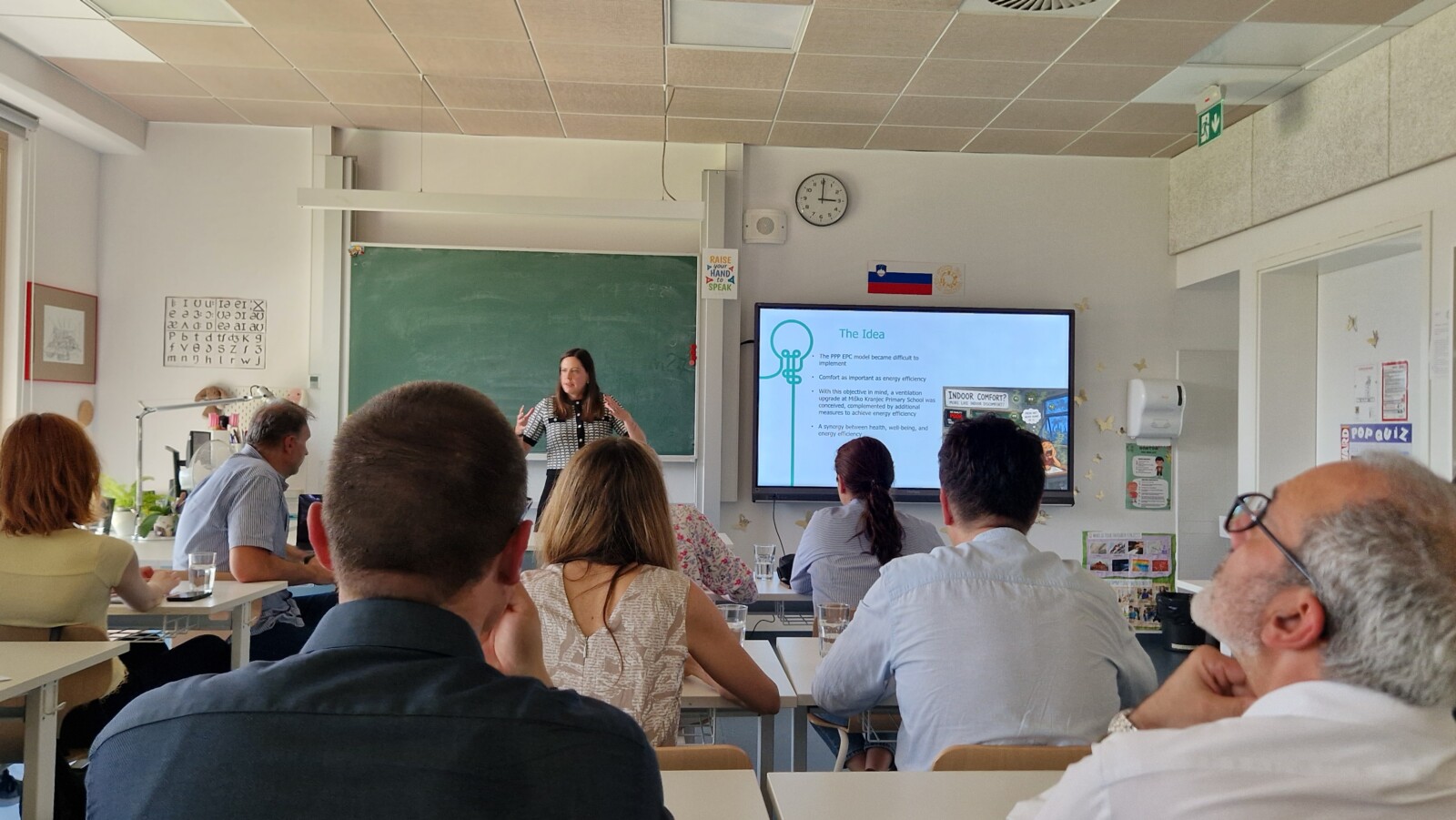
Over the course of the three-day visit, participants attended presentations of the project’s key work packages, workshops on the transfer process and discussions on how the approaches being developed in Ljubljana could be adapted to different local circumstances.
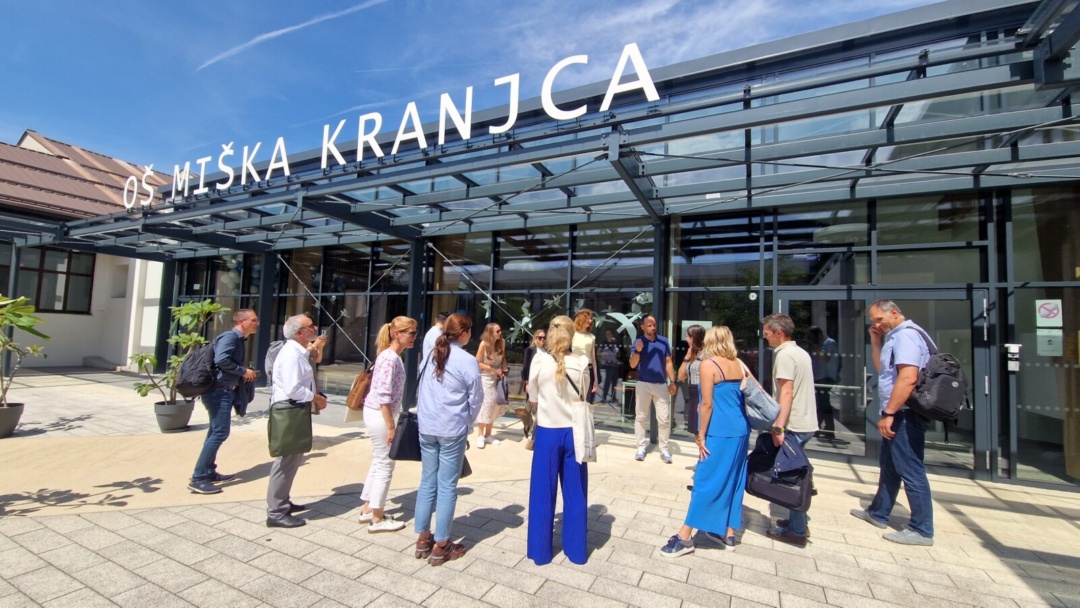
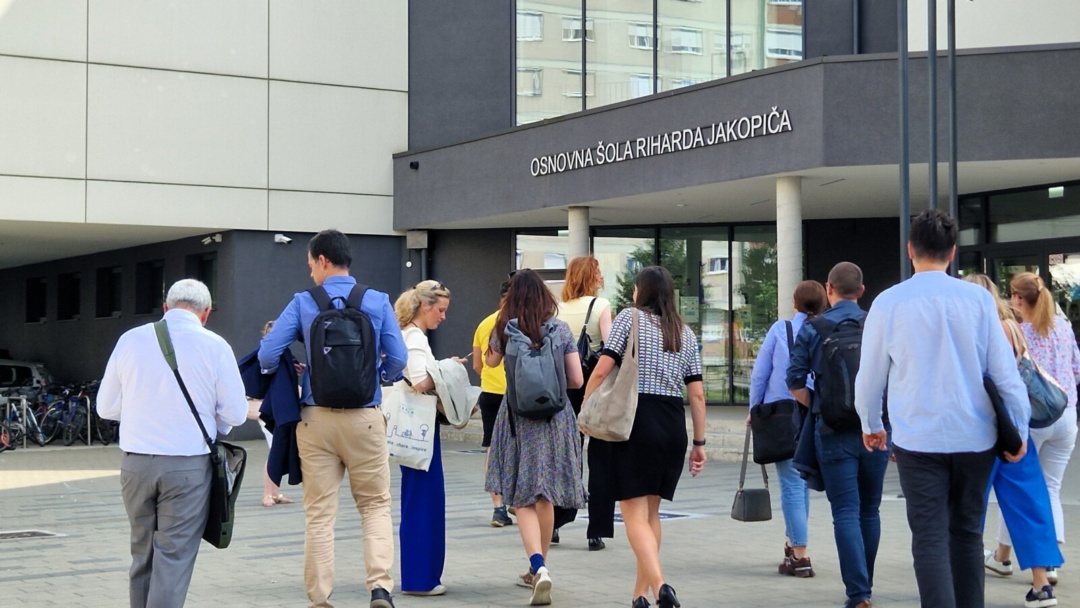
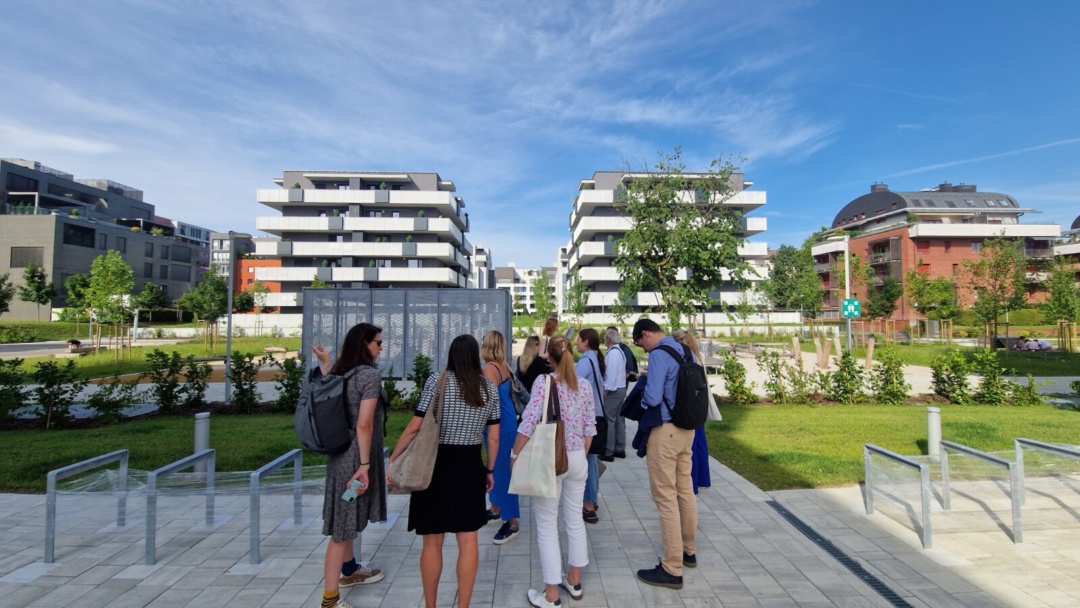
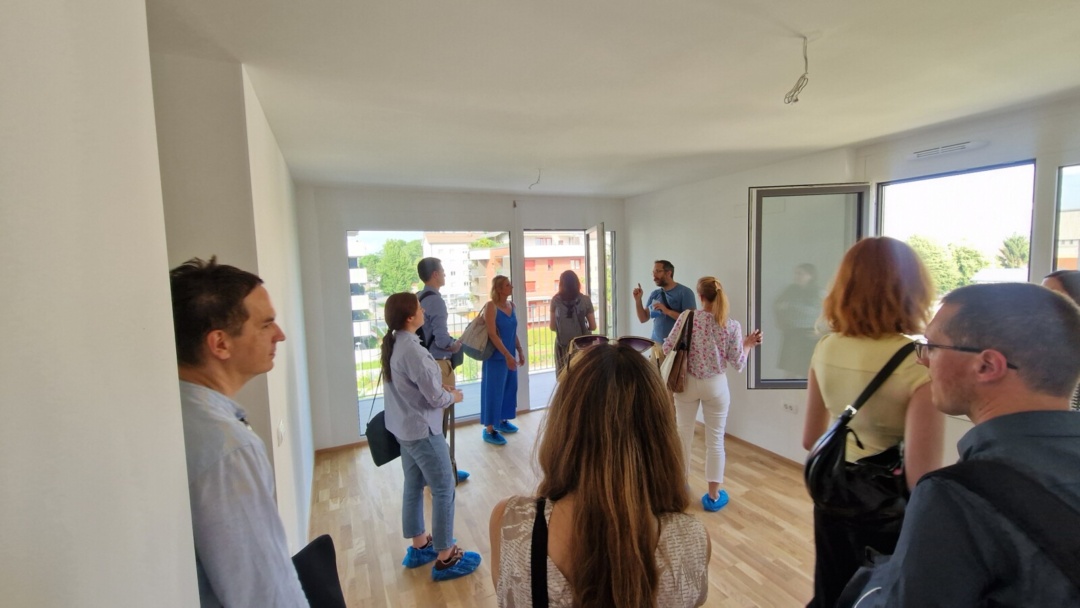
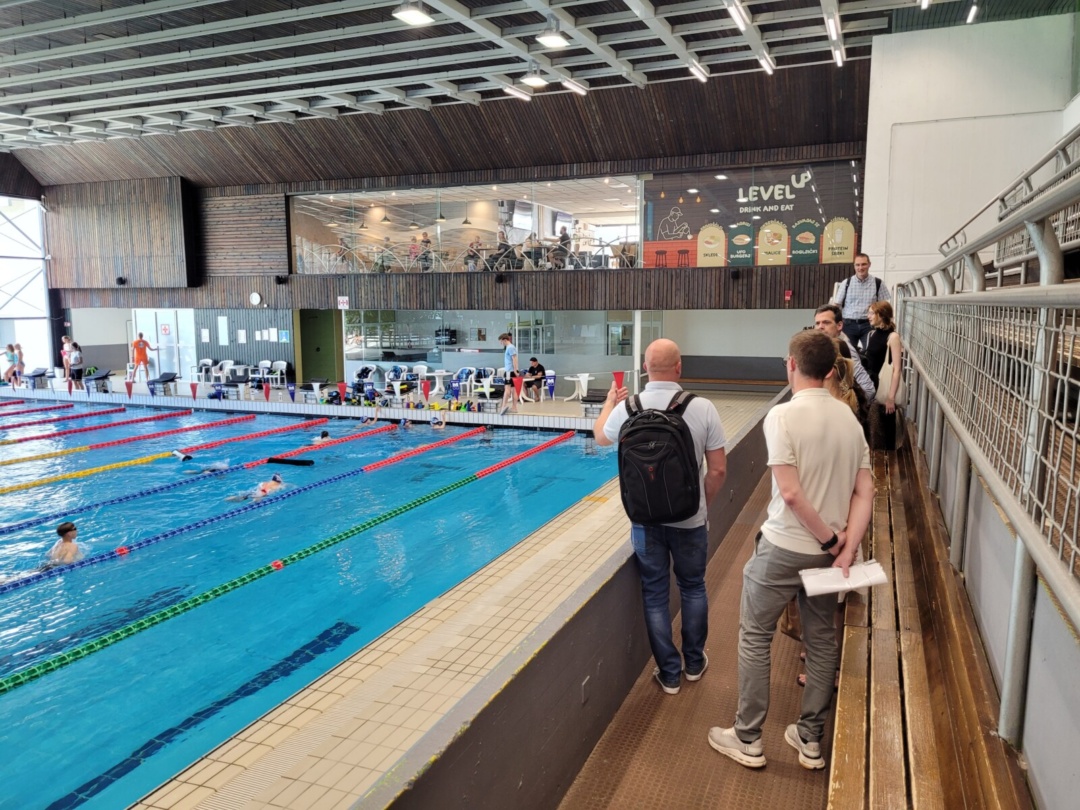
An important part of the programme included visits to all three pilot sites – Rihard Jakopič Primary School, Miško Kranjec Primary School and the pilot multi-apartment building on Zvezna Street – where the partners explored the planned measures to improve indoor environmental quality and energy efficiency. They also visited the renovated Tivoli Swimming Pool Complex and learned more about the Energy Renovation of Ljubljana (EOL) project, one of the city’s largest investments in the sustainable renovation of public buildings.
Representatives of the transfer cities also presented their own development challenges and their readiness to further develop energy management models in their local environments. Together with the Ljubljana project team, they began preparing the first transfer roadmaps.
“It was very motivating and inspiring to experience a city that is liveable, human-scaled, closely connected with nature, and at the same time among the frontrunners in implementing sustainable technologies. For me, Ljubljana is an excellent example of how European funding can be combined with municipal and private resources and, through the active engagement of local people, transformed into practical, effective and innovative solutions.”
Ágnes Győrffy, Project Manager, City of Szombathely, Hungary
All participants agreed that generating transferable knowledge that will help European cities develop healthier, more energy-efficient and user-friendly buildings is one of the project’s greatest added values.
Watch the story of the open site visit on your favorite social media platform:
You’re welcome to share it!
The EffiComfort project is supported by European Urban Initiative (EUI) and is cofinanced by the European Union.