Exploring Sustainable Biomass Use in the Ljubljana Marsh

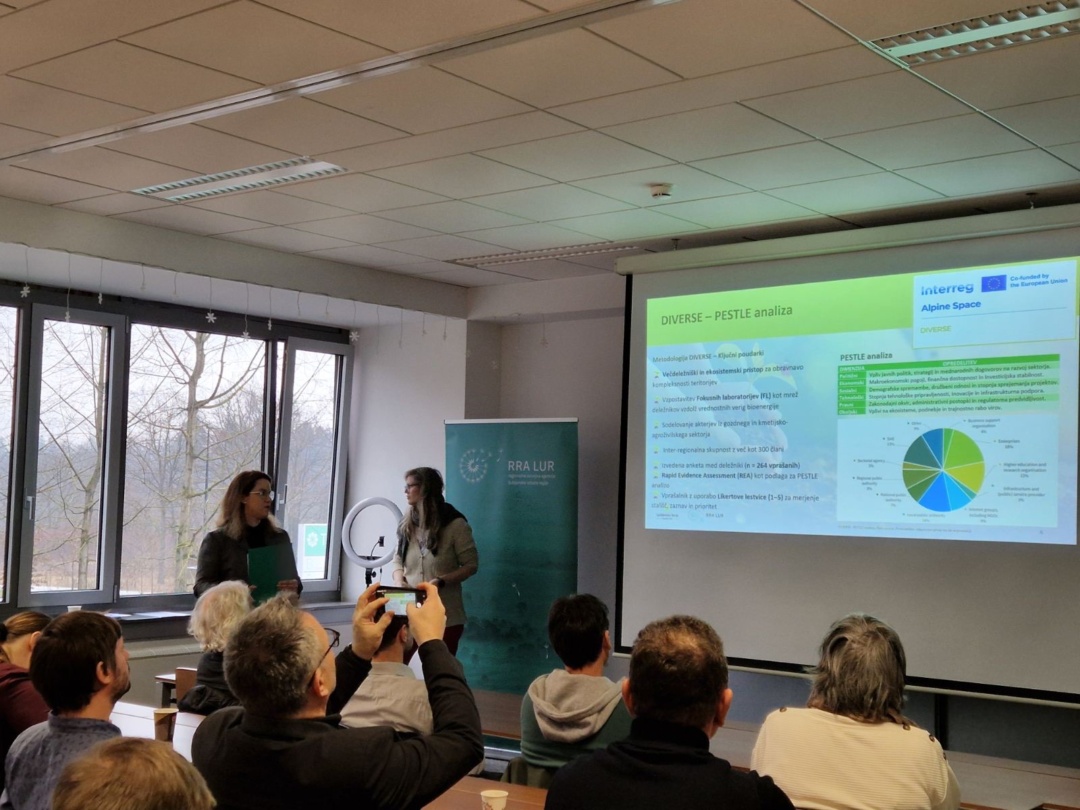
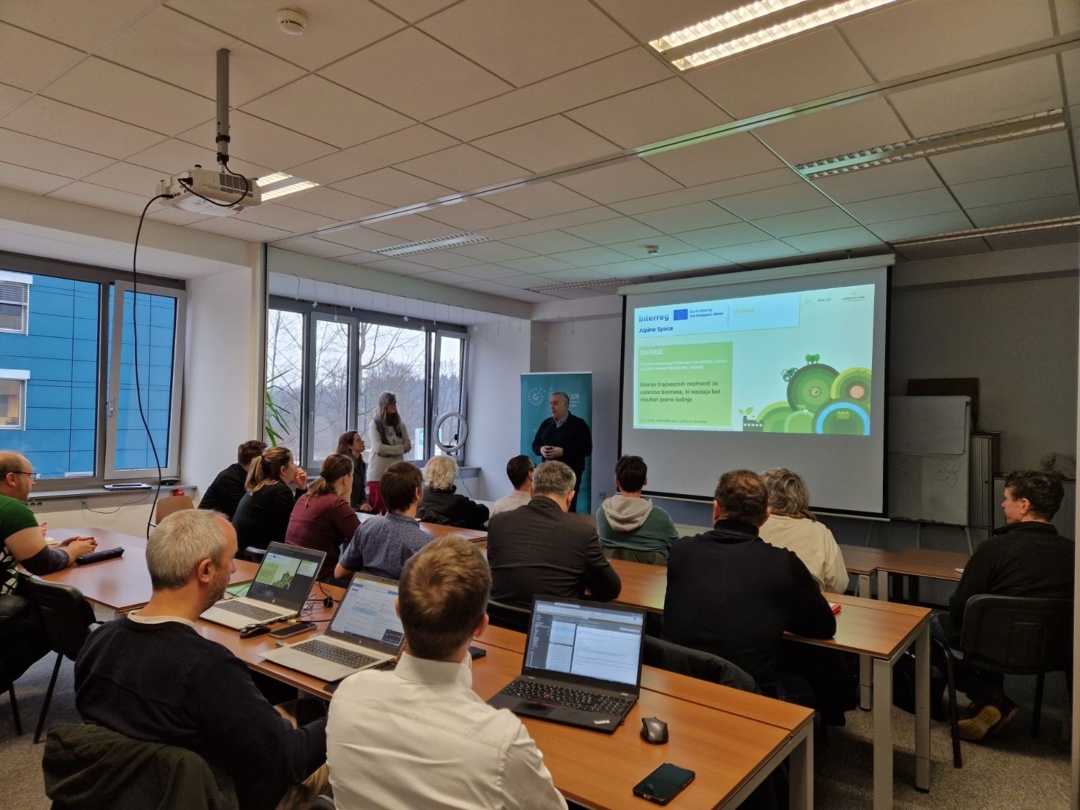
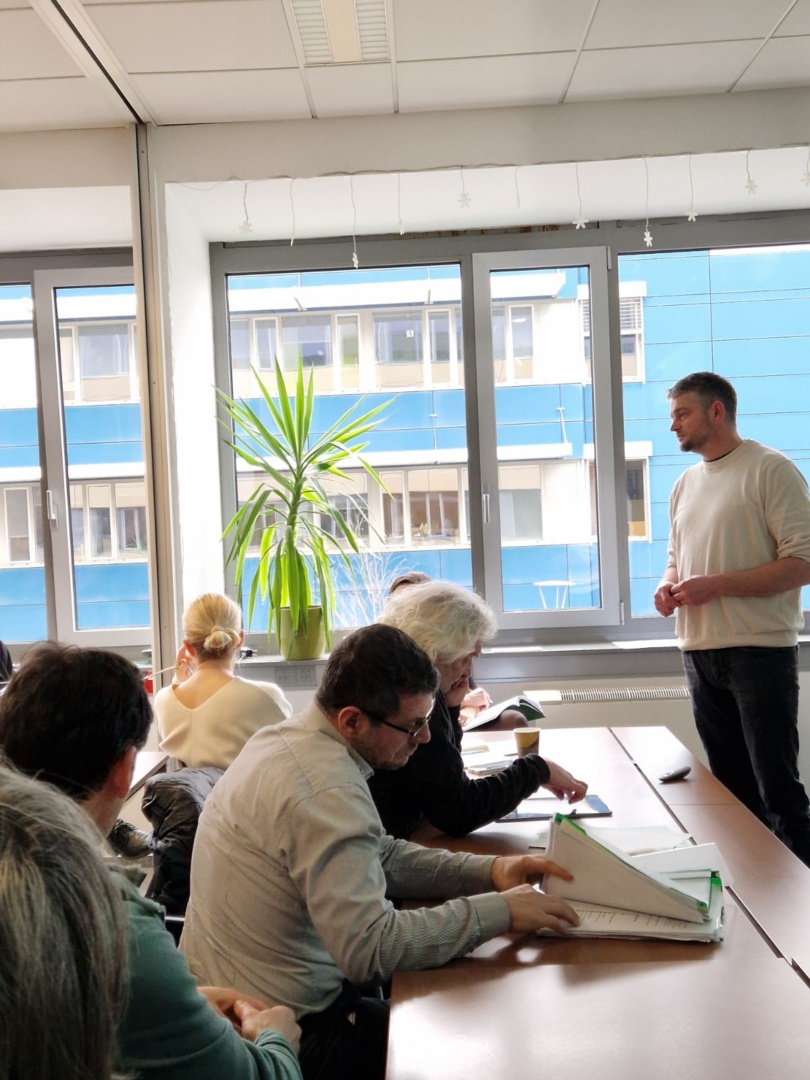
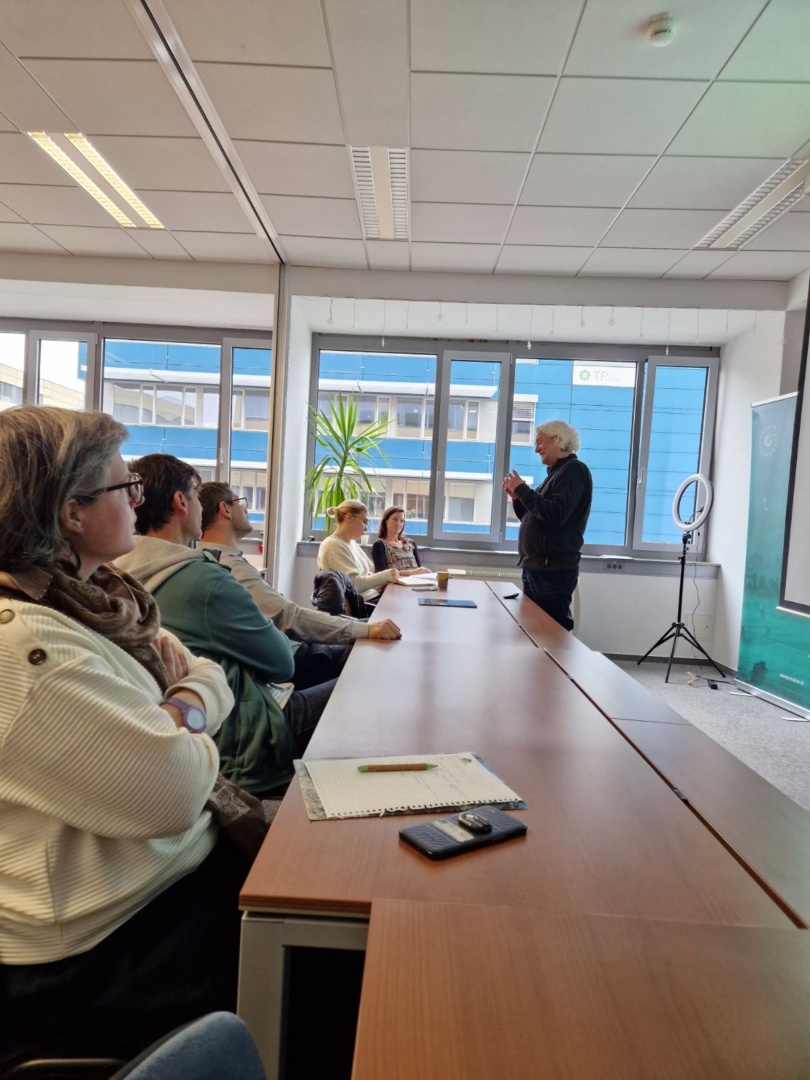
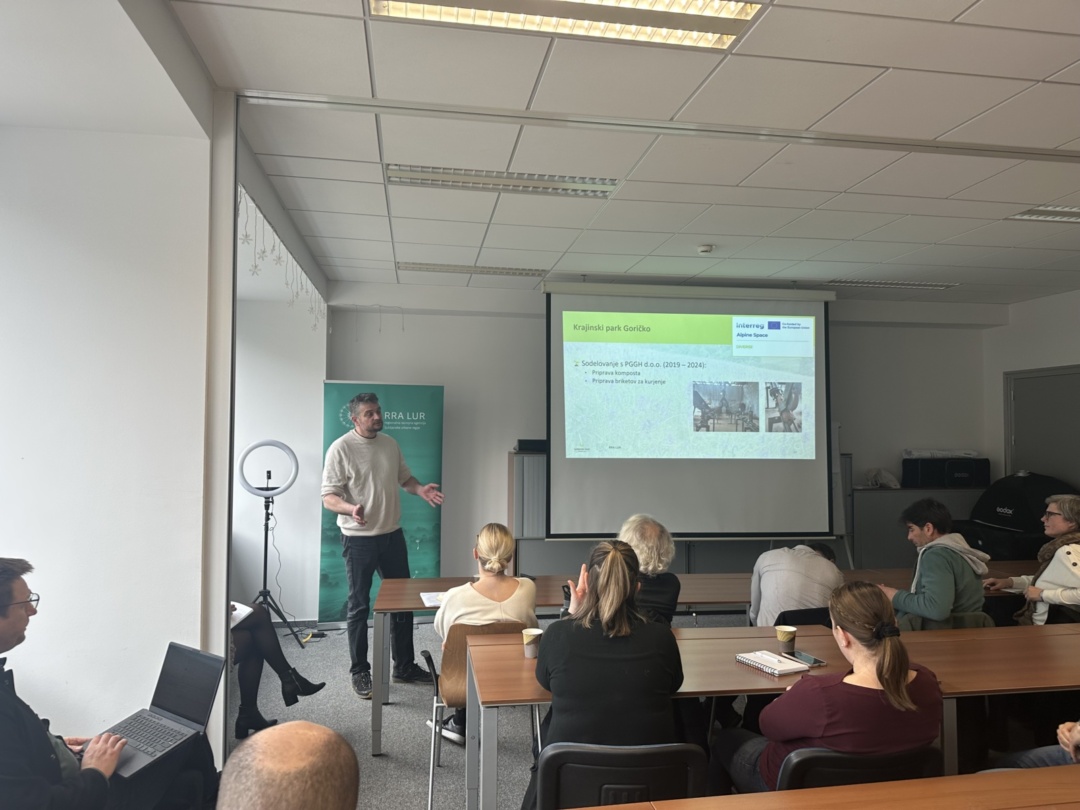
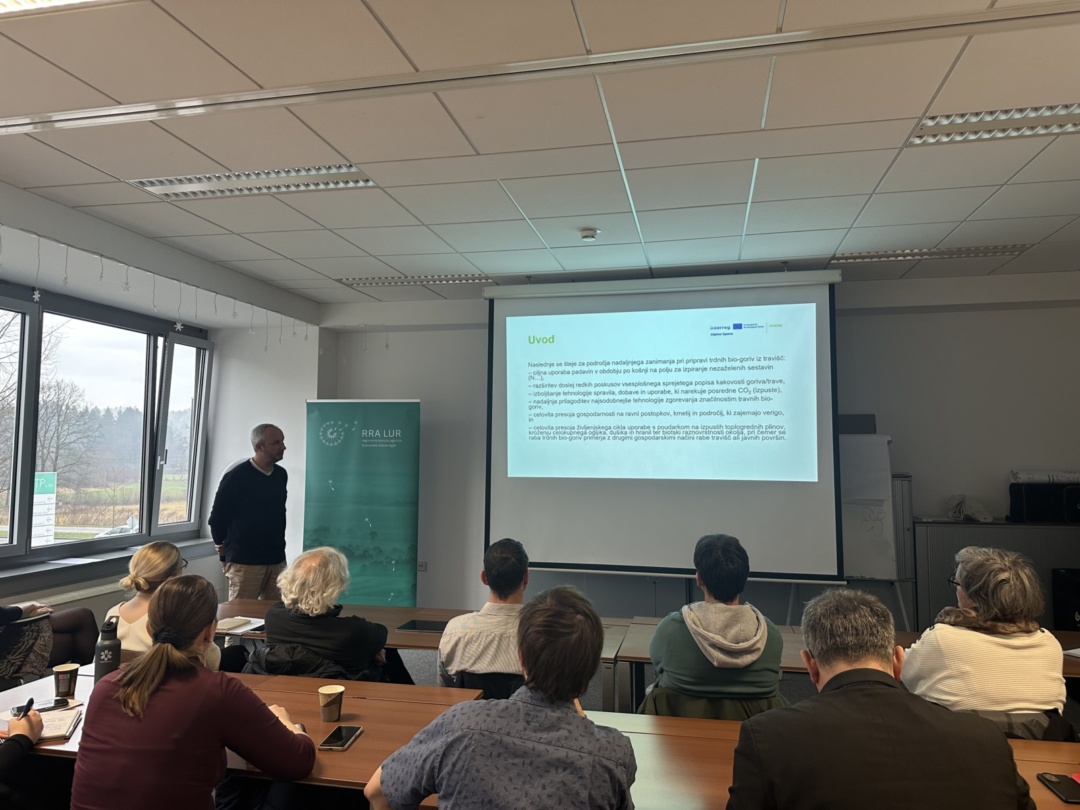
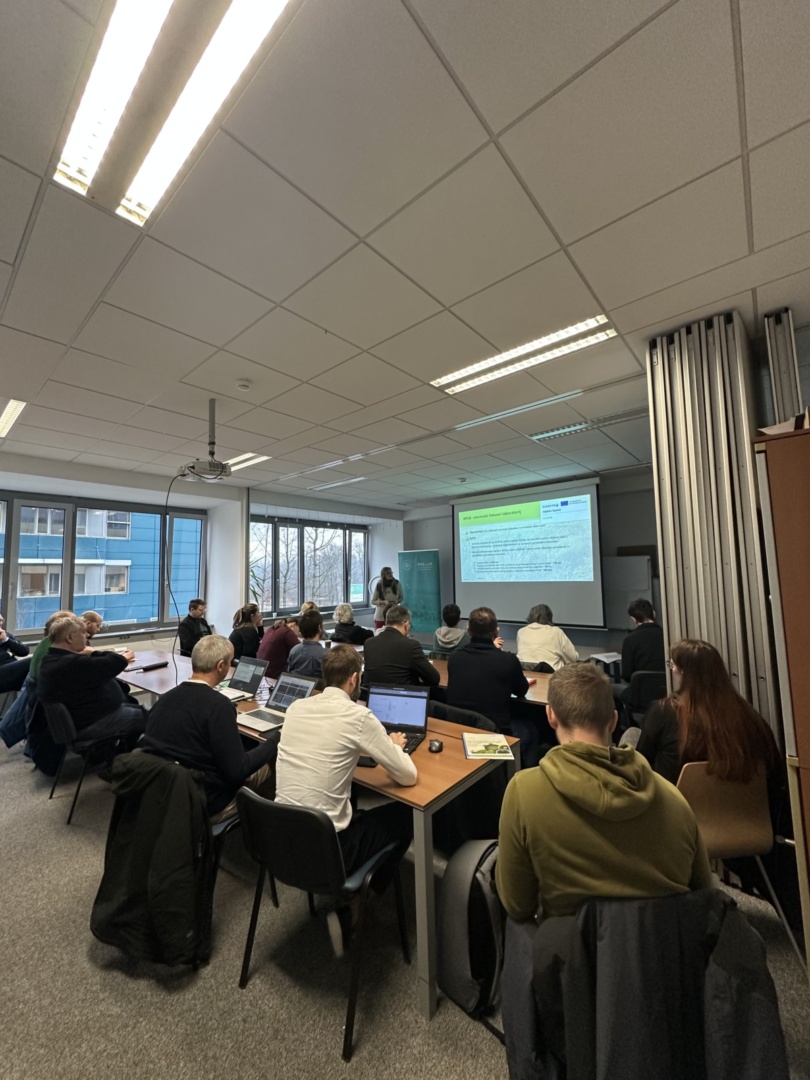
On 1 February 2026, a meeting addressing a question that is becoming increasingly pressing for protected area managers, as well as for the agricultural and potential (bio)energy sectors: how to sustainably manage biomass generated through nature conservation measures such as late mowing, and how to integrate it into the broader context of the green transition? The event was co-organised by the Regional Development Agency of the Ljubljana Urban Region (RRA LUR) and the Ljubljana Marsh Nature Park (JZ KPLB) in Tehnološki park, within the framework of the DiversE project (Interreg Alpine Space), and it fulfilled its main purpose. It brought together key stakeholders who can contribute to developing long-term solutions, while the carefully designed discussion created a professional, open and problem-oriented space for dialogue.
Key stakeholders in an open dialogue
The DiversE project (2024–2027) brings together 12 partners from five Alpine countries and develops a multi-stakeholder and ecosystem-based approach to bioenergy value chains. The Slovenian focus lab is part of the pilot activities in the Ljubljana Marsh and goes beyond the traditional expert consultation format. Its main objective is to stimulate joint reflection and support the development of feasible systemic solutions that align conservation regimes, technical constraints and economic realities.
The diversity of participants enabled a comprehensive understanding of the challenge, from field practice to strategic policy perspectives. Participants included representatives of ACT-SI – the Agency for the Development and Promotion of Clean Technologies, together with experts from the National Institute of Chemistry and the Faculty of Mechanical Engineering, observers from DOPPS – BirdLife Slovenia and the Ministry of Agriculture, Forestry and Food, representatives of the Ljubljana Marsh Nature Park, Notranjska Regional Park and Goričko Nature Park, agricultural stakeholders including farmers from the Ljubljana Marsh, advisory services and professional organisations, as well as other key actors such as the Institute of the Republic of Slovenia for Nature Conservation (ZRSVN), the company PGGH Ltd., and coordinators of other Interreg projects related to biomass and biodiversity.
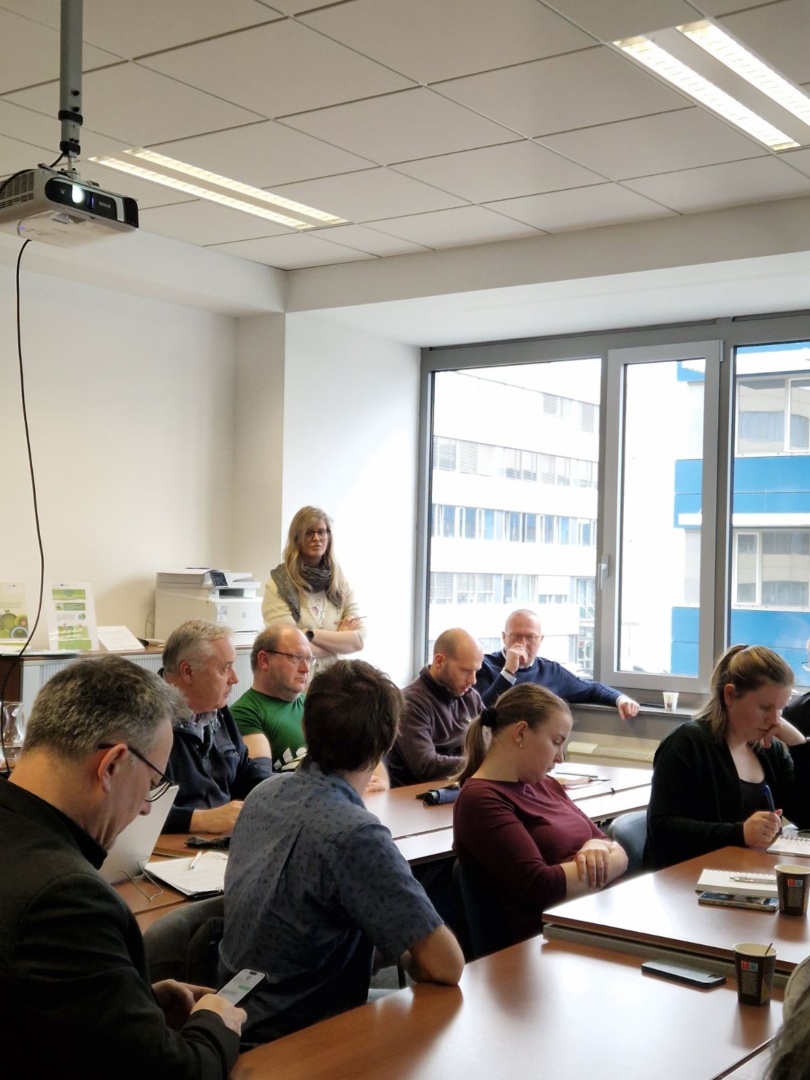
To facilitate the event, organisers applied open dialogue methods (Open Dialogue Toolkit) developed and tested within the DiversE partnership. This approach proved essential for creating a safe and inclusive environment that was both content-intensive and relaxed. The discussion was spontaneous, highly engaged and solution-oriented, enabling participants to actively exchange views and build shared understanding.
Energy potential of biomass in the Ljubljana Marsh
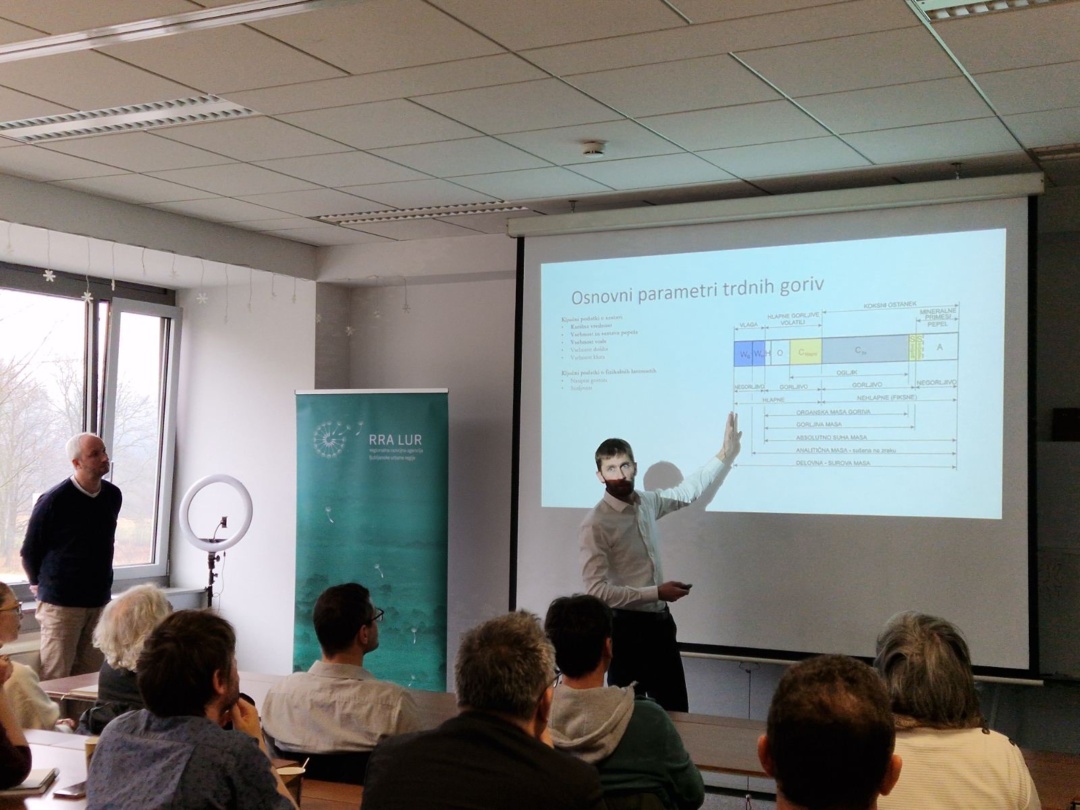
The technical session presented the results of analyses of hay samples from the Ljubljana Marsh Nature Park, carried out by experts from the National Institute of Chemistry and the Faculty of Mechanical Engineering in cooperation with ACT-SI.
The analyses (proximate and ultimate analysis, calorific value, heavy metal content, etc.) confirmed that grassland biomass generated through late mowing conservation measures (e.g. KOPOP_BK and HTV) has a relatively strong potential for energy use and can therefore represent a local renewable energy source. With appropriate processing, this biomass can reach calorific values comparable to conventional fuels.
Limitations such as ash content, ash melting behaviour and mineral composition were identified as manageable risks, but also important factors in selecting suitable technologies. However, technical feasibility alone does not guarantee implementation. The key issue that emerged was the economic dimension: what kind of business model can support sustainable biomass management?
Value chain challenges, practical experience and sustainable business models
The pilot in the Ljubljana Marsh currently focuses on biomass management from a smaller part of the protected area, covering around 135 hectares of land within the total 13,505 hectares of the protected landscape park. The current annual biomass volume is approximately 600 tonnes, and it is expected to increase as the state acquires additional land.
This requires establishing a complete management chain, from mowing, drying, baling, transport and storage to processing and final use. Each step involves costs and operational constraints. The discussion therefore addressed key questions: Is local energy use (e.g. for public buildings) feasible? Is pellet or briquette production a viable option? Would a combination of energy and material uses be more realistic? And above all: who carries the investment risk and who creates the added value?
Participants emphasised that biodiversity conservation and compliance with regulations, including the restrictions introduced by the RED III Directive, remain central. At the same time, long-term sustainability is not possible without a sound economic rationale. Without a viable business model, grassland management remains dependent on public funding.
A key challenge therefore lies in developing a model that integrates nature conservation, local energy self-sufficiency and efficient public spending, while being applicable to farms, cooperatives or protected areas.
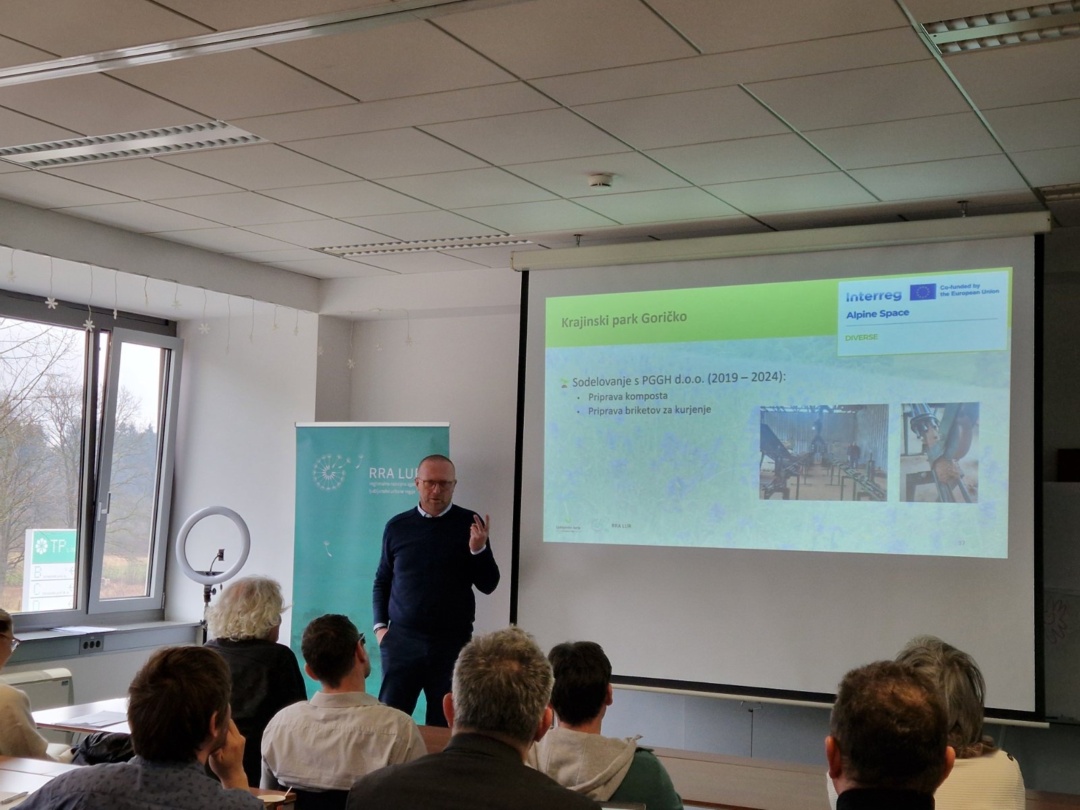
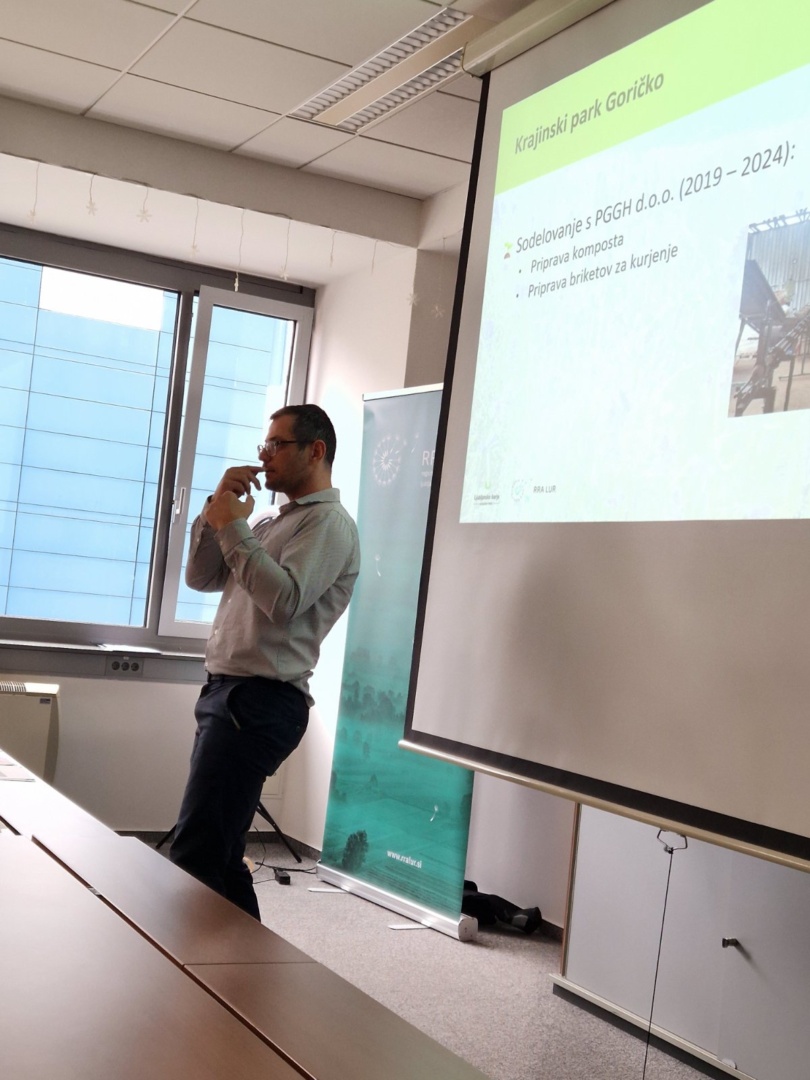
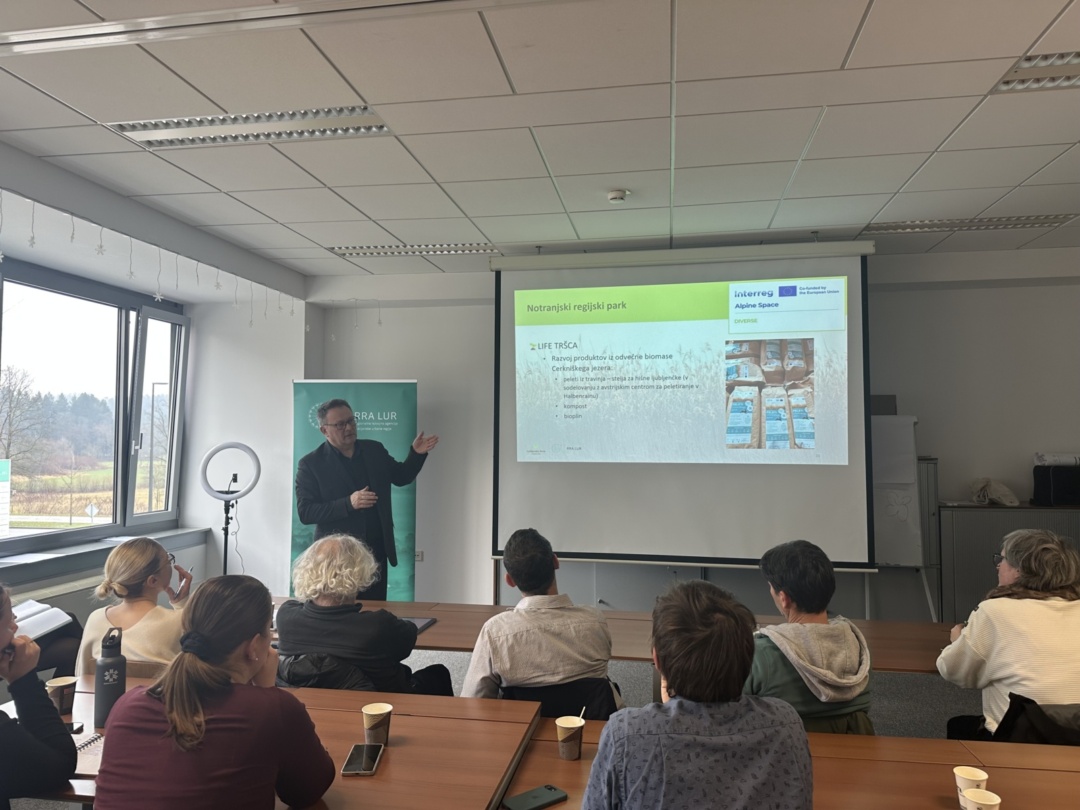
Examples from Notranjska Regional Park (LIFE Tršca) and Goričko Nature Park, in cooperation with PGGH Ltd., showed that various material use pathways have already been explored over decades. Pilot solutions have ranged from developing products such as bedding pellets for pets to briquetting and composting. However, such initiatives require clear governance structures, partnerships and long-term stability.
Farmers highlighted seasonal limitations, daily operational realities and costs that are often insufficiently recognised by policy frameworks. Significant regional differences in climate, moisture levels and wetland conditions were also emphasised.
Aligning biodiversity, legislation and economic realities
The event broadened the discussion beyond conservation and regulatory frameworks towards a broader development perspective. Sustainable biomass use in protected areas can contribute to the green transition only if biodiversity, legislation and economic viability are aligned.
Participants stressed the importance of active involvement of national institutions, as stable business models require coordinated energy, agricultural and environmental policies.
The focus lab demonstrated strong willingness for bottom-up cooperation, from farmers and land managers maintaining extensive grasslands to regional actors bridging local practices and strategic policy goals. Participants highlighted the need for stronger cooperation so that solutions move beyond pilot testing and become long-term regional practice.
The Director of the Ljubljana Marsh Nature Park emphasised that knowledge exchange and networking were among the most important outcomes of the meeting. Such initiatives also provide valuable insights for ministries addressing the practical, regulatory and development challenges of sustainable biomass use.
Follow-up in March 2026 – join the discussion
The discussion will continue in March 2026 in an expanded format, focusing on economic scenarios, policy alignment and concrete implementation steps. Due to broad interest, the event will be organised in a hybrid format.
Stakeholders interested in participating are invited to express their interest. For further information, please contact Petra Kurinčič (RRA LUR) at petra.kurincic@rralur.si or Jasna Možina (JZ KPLB) at jasna.mozina@ljubljanskobarje.si.
The Ljubljana Marsh has the potential to become a reference case, demonstrating how protected areas can successfully link nature conservation, local economic development and green transition objectives in a coherent and sustainable way.