Knowledge Without Borders: Slovenia and New Zealand Connect for Agricultural Innovation
On 12 March 2026, Slovenian and New Zealand experts met at an online workshop and explored new opportunities for collaboration in agriculture, innovation, and knowledge exchange. The event was organised by the Regional Development Agency of the Ljubljana Urban Region (RRA LUR), Central Economic Development Agency (CEDA) and Venture Taranaki as part of the International Urban and Regional Cooperation (IURC) programme. It demonstrated how universities, regions, and experts can collaborate in fruitful exchanges and enhance the innovation ecosystem.
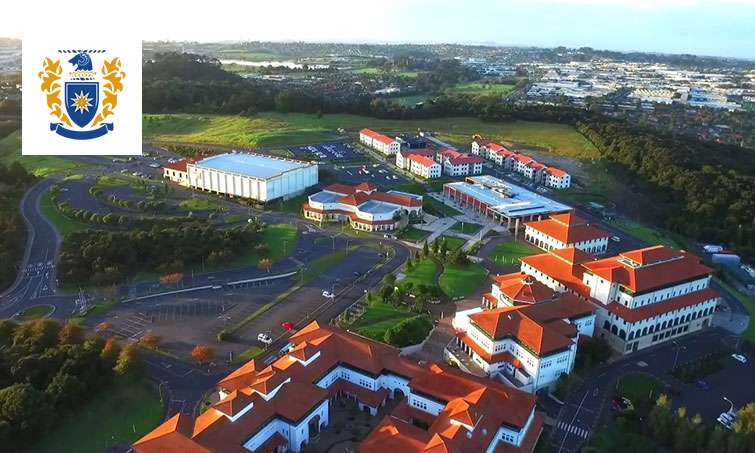
Massey University of New Zealand
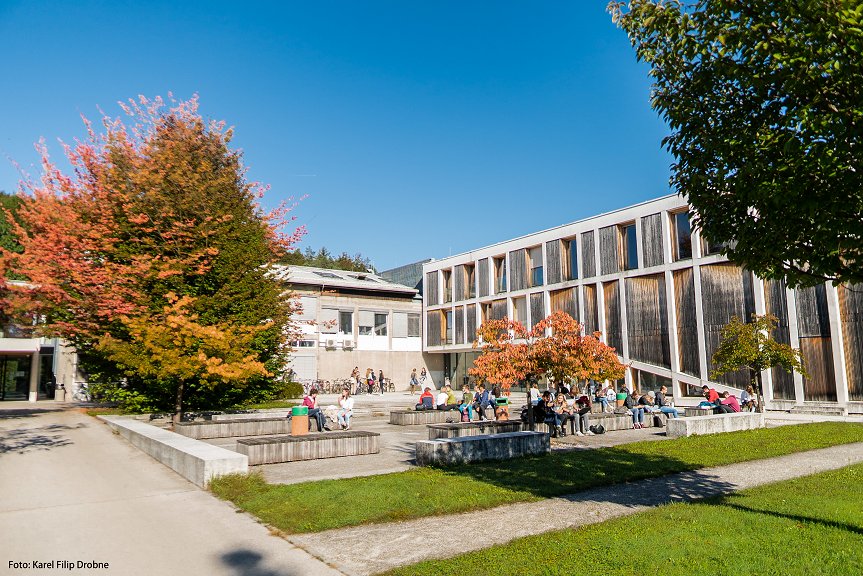
International cooperation is playing an increasingly important role in shaping the future of agriculture and innovation in food systems. The online event initiated an open discussion between representatives of Massey University of New Zealand and the University of Ljubljana, as well as regional stakeholders, and encouraged a creative exploration of potential joint initiatives.
The meeting brought together key representatives from both universities, including heads of international offices, department leaders, professors, and experts in academic cooperation. Katarina Rihtarčič, Unit Manager at the Dean’s Office and Office for Student Affairs and International Cooperation, and Prof. Lea Pogačnik da Silva, Professor at the Department of Food Science and Technology, Chair of Biochemistry and Food Chemistry from Biotechnical Faculty of the University of Ljubljana met with representatives of Massey University of New Zealand: Bobbie Noloboff, Regional Manager for Europe and International Student Mobility; Prof. Paul Kenyon, Head of the School of Agriculture and Environment; Prof. Jamie S. Quinton, Head of the School of Food Technology and Natural Sciences; and Eve Kawana-Brown, Business Development Manager.
The discussion highlighted strong mutual interest in strengthening cooperation in the fields of agriculture, agronomy, food technology, and innovation across the agri-food value chain. Both sides presented their expertise and identified clear opportunities for future collaboration. One of the key topics was potential cooperation within the Erasmus+ KA171 programme, which could support the exchange of students and staff as well as the development of joint activities between institutions from different parts of the world.
The event represents an important first step toward building a long-term partnership between Slovenia and New Zealand. At a time when agriculture is facing major challenges related to sustainability, climate change, and food security, such international cooperation is becoming increasingly important for developing innovative solutions.
The initiative within the IURC programme demonstrates that meaningful innovation often begins with dialogue. By connecting researchers, institutions, and regions, new bridges of cooperation are being built across continents — for the benefit of knowledge, sustainable development, and future generations.